Introduction
The Alpine Chipmunk, scientifically known as Neotamias alpinus, is a small, endearing rodent that captivates both wildlife enthusiasts and researchers alike. This species, belonging to the Sciuridae family, is one of 25 recognized chipmunk species in North America. Renowned for its distinctive stripes and lively demeanor, the Alpine Chipmunk is a subject of interest due to its specific habitat preferences and fascinating behaviors. As climate change continues to alter ecosystems worldwide, understanding the Alpine Chipmunk’s lifestyle and adaptations is increasingly crucial.
Physical Description
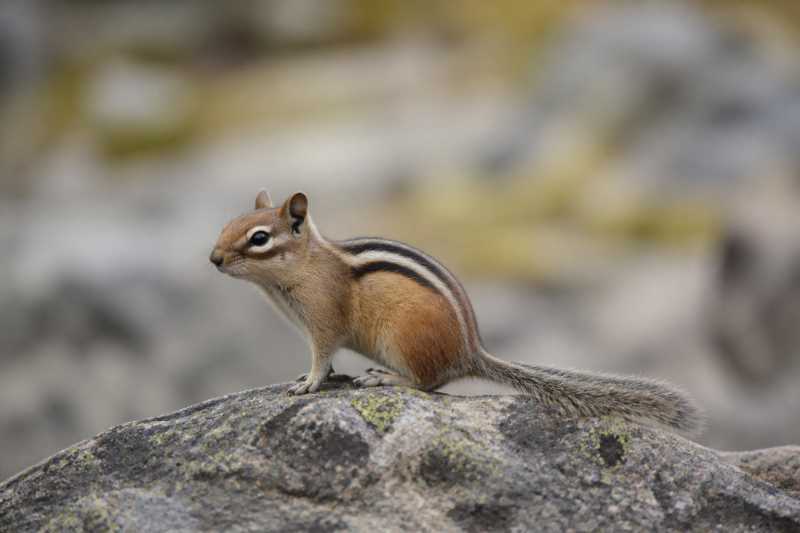
The Alpine Chipmunk is a relatively small member of the chipmunk family, measuring about 8 to 9 inches in length from nose to tail. It typically weighs between 1.5 to 2.5 ounces. One of the most striking features of the Alpine Chipmunk is its coat, which is adorned with five distinct dark stripes running down its back, separated by lighter stripes of grayish-brown. These stripes help in camouflaging against the rocky and forested landscapes of its habitat. The chipmunk’s underbelly is usually a pale gray or white, and its tail is bushy with a darker tip, aiding in balance and agility.
The Alpine Chipmunk’s large, dark eyes are well-suited for detecting predators, and its rounded ears are sensitive to the slightest sounds in its environment. Its paws are equipped with sharp claws that facilitate climbing and digging, essential for foraging and creating burrows.
Range and Habitat
The Alpine Chipmunk is endemic to the Sierra Nevada mountain range in California, primarily found at elevations above 7,500 feet. This species thrives in subalpine and alpine environments, favoring rocky terrains, talus fields, and coniferous forests. During the warmer months, they are often spotted in meadows and areas with abundant vegetation, which provides ample food resources.
Due to their preference for high elevations, Alpine Chipmunks are adapted to cold temperatures and have developed behaviors to survive harsh winter conditions. As such, they are typically absent from lower elevations and regions without suitable alpine habitats.
Behavior and Diet
Alpine Chipmunks are diurnal, meaning they are active during the day, particularly in the early morning and late afternoon. These chipmunks are solitary creatures, coming together only during the breeding season. They are known for their energetic behavior, quickly darting through rocks and vegetation in search of food.
Their diet is omnivorous, consisting of seeds, nuts, berries, and insects. They play a crucial role in their ecosystem by aiding in seed dispersal, which helps maintain the health and diversity of their habitat. During the summer and early fall, Alpine Chipmunks can be seen gathering and storing food in their burrows, a behavior known as caching, to prepare for the winter months when food is scarce.
Identification Tips (Field Recognition Cues)
Identifying the Alpine Chipmunk in the field involves observing several key features:
- Stripes: Look for the five dark stripes on their back, which is the most distinguishing feature among chipmunk species.
- Size and Shape: Note their small size and compact, agile build, which is typical of high-altitude chipmunks.
- Behavior: Observe their rapid, darting movements and preference for rocky, alpine habitats.
- Vocalizations: Listen for their high-pitched chirps and trills, which are often used for communication and warning signals.
Conservation Status (With Threats and Protections)
Currently, the Alpine Chipmunk is classified as Least Concern by the IUCN Red List. However, this status does not imply that the species is free from threats. The primary concern for Alpine Chipmunks is climate change, which is altering their alpine habitats. Rising temperatures could force these chipmunks to move to even higher elevations, where space and resources are limited.
Habitat destruction due to human activities, such as logging and recreational development, also poses significant threats. Conservation efforts focus on preserving their natural habitats and monitoring population trends to ensure these chipmunks continue to thrive. Protected areas within the Sierra Nevada provide some refuge, but ongoing research and conservation measures are necessary to address the long-term impacts of environmental changes.
Frequently Asked Questions
1. What do Alpine Chipmunks eat in the wild?
Alpine Chipmunks have an omnivorous diet, primarily consuming seeds, nuts, berries, and insects. They are skilled foragers, often seen gathering food during the warmer months to store for winter.
2. How do Alpine Chipmunks survive the winter?
These chipmunks survive the winter by hibernating in burrows. They rely on food caches prepared during the summer and fall, which provide essential nutrients during the cold months when foraging is not possible.
3. Are Alpine Chipmunks endangered?
Currently, Alpine Chipmunks are not considered endangered and are listed as Least Concern. However, they face threats from climate change and habitat destruction, prompting conservation efforts to monitor and protect their populations.
4. Where can I see Alpine Chipmunks in their natural habitat?
Alpine Chipmunks are found in the Sierra Nevada mountain range in California, typically above 7,500 feet. Look for them in rocky, alpine environments and coniferous forests during the day.
5. What adaptations help Alpine Chipmunks thrive in high-altitude environments?
Alpine Chipmunks possess several adaptations, such as a thick fur coat for insulation against cold temperatures, sharp claws for climbing and digging, and the ability to cache food for winter survival.
Related posts