Introduction
The Large Japanese Mole, scientifically known as Mogera wogura, is a fascinating and integral component of Japan’s diverse mammalian fauna. As a member of the family Talpidae, this species is renowned for its subterranean lifestyle and specialized adaptations that make it an expert burrower. In this article, we delve into the characteristics, habitat, and behavior of the Large Japanese Mole, while also addressing its conservation status and providing useful identification tips for those keen on observing this elusive creature in its natural environment.
Physical Description
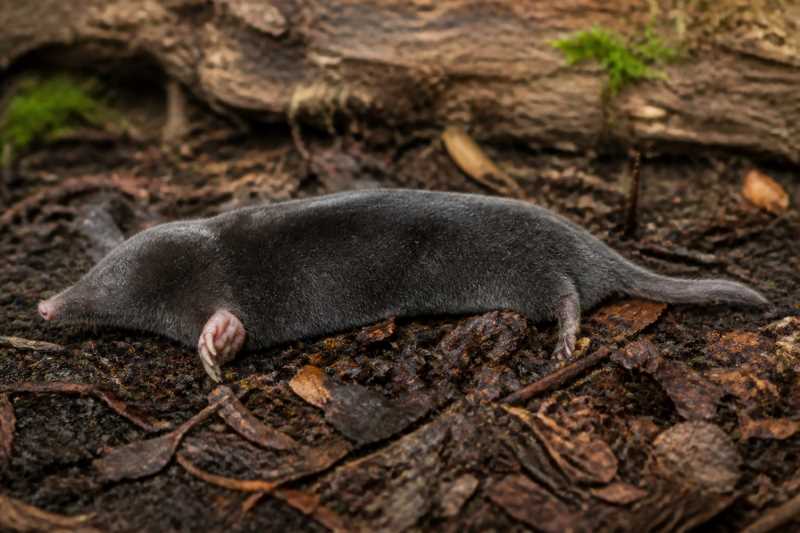
The Large Japanese Mole is aptly named due to its size, which distinguishes it from other mole species found in Japan. Typically, an adult Large Japanese Mole measures between 12 and 20 centimeters in length, with a weight ranging from 100 to 200 grams. A key feature of this mole is its cylindrical body, which is perfectly adapted for a life spent digging through soil.
The mole’s fur is dense and velvety, providing protection against the abrasive soil environment. Its color varies from dark gray to black, offering excellent camouflage in its subterranean habitat. The forelimbs of the Large Japanese Mole are particularly noteworthy; they are robust, paddle-shaped, and equipped with long claws, allowing the mole to efficiently tunnel through the ground. In contrast, the hind limbs are relatively smaller and less powerful.
The head of the Large Japanese Mole is small and pointed, with a keen sense of smell that compensates for its poor eyesight. The eyes are tiny and often hidden beneath fur, a common trait among burrowing mammals. The mole’s snout is elongated and highly sensitive, serving as a crucial tool for detecting prey and navigating its dark, underground world.
Range and Habitat
The Large Japanese Mole is endemic to Japan, with its range spanning the main islands of Honshu, Shikoku, and Kyushu. This species is adaptable to a variety of habitats, including forests, grasslands, and agricultural areas. They are particularly abundant in regions with loose, well-aerated soil that facilitates easy burrowing.
Moles prefer soil that is rich in organic matter, as this supports a higher abundance of earthworms and other invertebrates that constitute their primary diet. They are less commonly found in rocky or heavily compacted soils where digging is more challenging.
Behavior and Diet
The Large Japanese Mole is primarily solitary, spending most of its life in a network of underground tunnels that it excavates. These tunnels serve multiple purposes, including foraging routes, nesting sites, and escape paths from predators. Moles are territorial and will vigorously defend their burrow systems from intruders.
Their diet mainly consists of earthworms, which they detect using their acute sense of smell and specialized sensory organs located in their snout. In addition to earthworms, they consume insects, grubs, and other small invertebrates. Moles play a vital role in soil aeration and nutrient cycling, as their digging activities help to mix organic matter into the soil.
Identification Tips (Field Recognition Cues)
Identifying the Large Japanese Mole in the field can be challenging due to its elusive nature and subterranean lifestyle. However, there are several cues that can aid in recognition:
- Mole Hills: Look for small mounds of soil on the surface, which indicate the presence of underground tunnels. These molehills are a telltale sign of mole activity.
- Burrow Entrances: Locate circular entrances to burrows, often found near molehills. These entrances are typically the diameter of the mole’s body.
- Fur and Size: If you happen to spot a mole, note its dark, velvety fur and relatively large size compared to other local mole species.
- Forelimbs and Claws: The distinctive paddle-shaped forelimbs with long claws are a key identifier for the Large Japanese Mole.
- Behavior: Moles are most active during dawn and dusk, so these times may offer a better chance of observation.
Conservation Status (With Threats and Protections)
Currently, the Large Japanese Mole is not considered to be at immediate risk of extinction and is classified as Least Concern by the International Union for Conservation of Nature (IUCN). However, like many wildlife species, it faces several threats that could impact its populations in the future.
One of the primary threats to the Large Japanese Mole is habitat loss due to urbanization and agricultural expansion. As natural habitats are converted for human use, moles may experience decreased availability of suitable burrowing sites and food resources.
Pesticides and soil pollution also pose significant threats, as they can reduce the abundance of invertebrates that moles rely on for food. Additionally, moles are sometimes considered pests by farmers due to their burrowing activities, which can disrupt crops and lead to conflicts.
To mitigate these threats, conservation efforts focus on habitat protection and promoting sustainable agricultural practices that reduce pesticide use. Public education campaigns can also help to shift perceptions about moles and highlight their ecological importance.
Frequently Asked Questions
What is the diet of the Large Japanese Mole?
The Large Japanese Mole primarily feeds on earthworms, insects, grubs, and small invertebrates. Its diet is largely composed of organisms found in the soil, which it detects using its keen sense of smell and sensitive snout.
How can I identify a Large Japanese Mole?
Identifying a Large Japanese Mole involves looking for molehills and burrow entrances, as well as observing its dark, velvety fur and distinctive forelimbs with long claws. They are larger than other local mole species and primarily active during dawn and dusk.
Why are moles important to the ecosystem?
Moles play a crucial role in soil health by aerating the soil and mixing organic matter through their digging activities. This helps to improve soil structure and fertility, benefiting plant growth and supporting a diverse ecosystem.
Are Large Japanese Moles endangered?
No, the Large Japanese Mole is currently classified as Least Concern by the IUCN. However, it faces threats such as habitat loss and pesticide exposure, which could impact its populations in the future.
Where can I find the Large Japanese Mole in Japan?
The Large Japanese Mole is found on the main islands of Honshu, Shikoku, and Kyushu. They inhabit various environments, including forests, grasslands, and agricultural areas with loose, well-aerated soil.
Related posts