Introduction
The Dune Tuco-tuco, scientifically known as Ctenomys australis, is a fascinating rodent species that inhabits the sandy dunes of coastal Argentina. As a member of the family Ctenomyidae, this burrowing mammal is adapted to a life underground, characterized by its unique behaviors and ecological role. This article explores the physical characteristics, habitat preferences, behavioral patterns, and conservation status of the Dune Tuco-tuco, providing a comprehensive overview of this intriguing species.
Physical Description
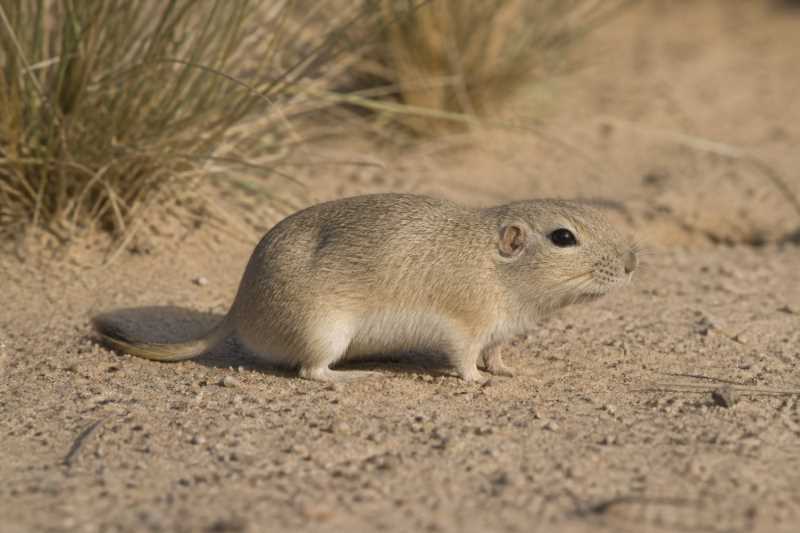
The Dune Tuco-tuco is a small to medium-sized rodent, with adults typically measuring between 15 to 25 cm in body length, not including the tail, which adds an additional 6 to 10 cm. Its fur is soft and dense, with a coloration that typically ranges from sandy brown to gray, providing excellent camouflage against the sandy habitats it occupies.
The Dune Tuco-tuco has a robust and cylindrical body, adapted for its burrowing lifestyle. Its forelimbs are short but powerful, equipped with strong claws for digging. The head is broad, with small eyes and ears, reflecting its subterranean habits. The incisors are large and sharp, essential for gnawing through roots and tubers that form a significant part of its diet.
Range and Habitat
Ctenomys australis is endemic to the coastal dunes of Argentina, particularly in the Buenos Aires Province. It inhabits sandy dunes, where it constructs extensive burrow systems. These burrows provide shelter from predators and harsh weather conditions, as well as a stable environment for raising young.
The species prefers areas with loose, sandy soils that facilitate easy digging. Its range is limited by the availability of suitable dune habitats, which are increasingly threatened by human activities such as agriculture and urban development.
Behavior and Diet
The Dune Tuco-tuco is primarily solitary, with individuals occupying their own burrow systems. These burrows can be quite extensive, with multiple entrances and chambers used for nesting and food storage. The species is predominantly crepuscular, being most active during the early morning and late afternoon.
Dietarily, the Dune Tuco-tuco is herbivorous, feeding on a variety of plant materials. Its diet includes grasses, roots, and tubers, which it gathers and stores in its burrow for later consumption. This diet is well-suited to its arid habitat, providing sufficient moisture and nutrients.
Identification Tips (Field Recognition Cues)
Identifying the Dune Tuco-tuco in the field can be challenging due to its underground lifestyle. However, several cues can aid in recognition:
- Burrow Entrances: Look for characteristic burrow entrances in sandy dunes, typically surrounded by piles of excavated soil.
- Fur Color: Sandy brown or gray fur, which blends with the surrounding environment.
- Size and Shape: A robust, cylindrical body with small eyes and ears, adapted to a life underground.
Conservation Status (With Threats and Protections)
The Dune Tuco-tuco is classified as Vulnerable by the International Union for Conservation of Nature (IUCN). The primary threats to the species include habitat destruction due to agricultural expansion, urbanization, and the development of coastal areas for tourism.
Conservation efforts focus on habitat protection and restoration. The establishment of protected areas and reserves is crucial to safeguarding the remaining populations. Additionally, raising awareness about the ecological importance of dune ecosystems can aid in the preservation of this species.
Frequently Asked Questions
What does the Dune Tuco-tuco eat?
The Dune Tuco-tuco primarily feeds on plant materials such as grasses, roots, and tubers. These food sources provide the necessary nutrients and moisture for survival in its arid habitat.
Where can the Dune Tuco-tuco be found?
The Dune Tuco-tuco is found in the coastal dunes of Buenos Aires Province, Argentina. It prefers sandy, loose soils where it can easily construct its burrows.
How does the Dune Tuco-tuco adapt to its environment?
The Dune Tuco-tuco is well-adapted to its environment through its burrowing lifestyle, which provides shelter and food storage. Its physical adaptations, such as strong forelimbs and incisors, facilitate digging and feeding.
Why is the Dune Tuco-tuco considered vulnerable?
The species is considered vulnerable due to habitat destruction from human activities like agriculture and urban development, which threaten its limited range in coastal dune ecosystems.
How can the Dune Tuco-tuco be protected?
Protection efforts include establishing protected areas, restoring habitats, and raising awareness about the importance of preserving dune ecosystems. These measures are vital for the conservation of the Dune Tuco-tuco.
Related posts