Introduction
Spix’s Yellow-toothed Cavy, scientifically known as Galea spixii, is a small rodent species native to South America. Named in honor of the German naturalist Johann Baptist von Spix, this remarkable species is an integral part of its ecosystem. In this article, we will explore various aspects of Spix’s Yellow-toothed Cavy, including its physical description, range and habitat, behavior and diet, identification tips, and conservation status.
Spix’s Yellow-toothed Cavy is among the lesser-known members of the Caviidae family, which also includes the well-known domesticated guinea pig. Despite its relatively obscure status, this species plays a crucial role in the natural habitats it occupies, contributing to the ecological balance and serving as a prey species for larger predators.
Physical Description
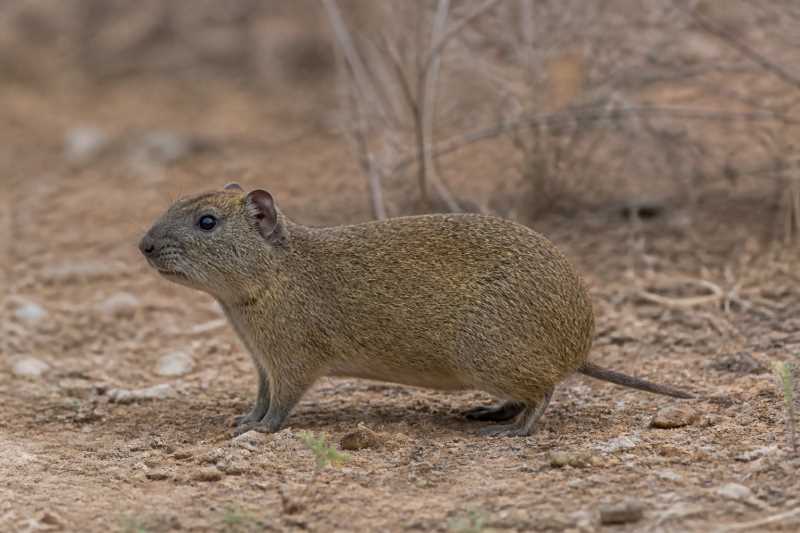
Spix’s Yellow-toothed Cavy is a small rodent characterized by its compact body and distinctive yellow-hued teeth, which give the species its common name. Adults typically weigh between 300 to 600 grams and measure approximately 20 to 25 centimeters in length, excluding the short tail. The fur is generally a mix of brown and gray, providing effective camouflage in its natural environment.
The head of this cavy is broad with a blunt snout, and the ears are relatively small and rounded. One of the most striking features of the species is its dental structure. The incisors are yellow due to a layer of iron-containing pigments, a trait that is both functional and distinctive. These teeth are adapted for gnawing and are essential for the cavy’s survival, aiding in the processing of tough plant materials.
Range and Habitat
Spix’s Yellow-toothed Cavy is predominantly found in the northeastern parts of Brazil, particularly within the Caatinga biome. This semi-arid region is characterized by its unique flora and fauna, adapted to survive in harsh conditions with limited water resources. The cavy’s range extends through states such as Bahia, Pernambuco, and Alagoas, where they inhabit grasslands, scrublands, and open areas with sparse vegetation.
The species thrives in areas where vegetation provides adequate cover from predators and extreme temperatures. The cavy is highly adaptable and can be found in various microhabitats within its range, including rocky outcrops and areas adjacent to agricultural lands. This adaptability is crucial for its survival in the face of environmental changes and habitat modification.
Behavior and Diet
Spix’s Yellow-toothed Cavy is a diurnal species, most active during the early morning and late afternoon to avoid the midday heat. The social structure of this cavy is relatively loose, with individuals often forming small groups. These groups provide mutual benefits, such as increased vigilance against predators and enhanced foraging efficiency.
The diet of Spix’s Yellow-toothed Cavy is primarily herbivorous, consisting of a variety of grasses, fruits, and seeds found within its habitat. The cavy is well-adapted to its environment, capable of extracting moisture from its food sources, which is vital in the arid regions it inhabits. During periods of scarcity, the cavy can also consume bark and other tougher plant materials, showcasing its dietary flexibility.
Identification Tips (Field Recognition Cues)
Identifying Spix’s Yellow-toothed Cavy in the field involves noting several key characteristics:
- Size and Shape: Look for a small, compact rodent with a body length of 20 to 25 cm.
- Fur Coloration: Observe the brown and gray fur that provides excellent camouflage.
- Teeth: Note the distinctive yellow-hued incisors, visible when the mouth is slightly open.
- Behavior: Look for groups of cavies active in the early morning or late afternoon.
- Habitat: Search in open areas, grasslands, and scrublands within the Caatinga biome.
Conservation Status (With Threats and Protections)
As of the latest assessments, Spix’s Yellow-toothed Cavy is not classified as endangered; however, it faces several threats that could impact its population. Habitat loss due to agricultural expansion and deforestation is a significant concern. Additionally, climate change poses a threat by altering the delicate balance of the semi-arid ecosystems where the cavy resides.
Protection measures for Spix’s Yellow-toothed Cavy include habitat conservation and the establishment of protected areas within the Caatinga biome. These measures aim to preserve the natural habitat and ensure the species’ long-term survival. Continued research and monitoring are essential to understand the population dynamics and implement effective conservation strategies.
Frequently Asked Questions
1. What are the primary predators of Spix’s Yellow-toothed Cavy?
Spix’s Yellow-toothed Cavy faces predation from a variety of predators, including birds of prey, snakes, and larger mammals. The cavy’s natural camouflage and social behavior help reduce the risk of predation.
2. How does Spix’s Yellow-toothed Cavy adapt to its arid environment?
The cavy is highly adapted to its arid environment through its diet, which includes moisture-rich plants, and its ability to adjust activity patterns to avoid the hottest parts of the day.
3. Can Spix’s Yellow-toothed Cavy be kept as a pet?
While some rodents from the Caviidae family are popular pets, Spix’s Yellow-toothed Cavy is not commonly kept as a pet due to its specific habitat and dietary needs.
4. What role does Spix’s Yellow-toothed Cavy play in its ecosystem?
The cavy is an important herbivore in its ecosystem, helping to control vegetation and serving as prey for larger predators, thus contributing to the ecological balance.
5. Are there any cultural significances associated with Spix’s Yellow-toothed Cavy?
While not widely known culturally, Spix’s Yellow-toothed Cavy may hold significance in local folklore and traditional knowledge within its native range.
Related posts