Introduction
The Greater Sac-winged Bat, scientifically known as Saccopteryx bilineata, is an intriguing mammal species that captivates researchers and wildlife enthusiasts alike with its unique behaviors and ecological importance. Found primarily in Central and South America, this species is renowned for its distinctive physical characteristics and complex social structures. As a member of the Emballonuridae family, the Greater Sac-winged Bat plays a vital role in the ecosystems it inhabits, making its study and conservation critical.
Bats, in general, are essential to the balance of ecosystems worldwide, serving as pollinators, seed dispersers, and insect population controllers. The Greater Sac-winged Bat is no exception, contributing significantly to the ecological health of its habitat. Understanding the life and habits of this bat species not only enriches our knowledge of biodiversity but also informs conservation efforts necessary to protect these fascinating creatures.
In this article, we delve into the physical attributes, habitat preferences, behavioral patterns, and conservation status of the Greater Sac-winged Bat, providing a comprehensive overview of what makes this species so remarkable.
Physical Description
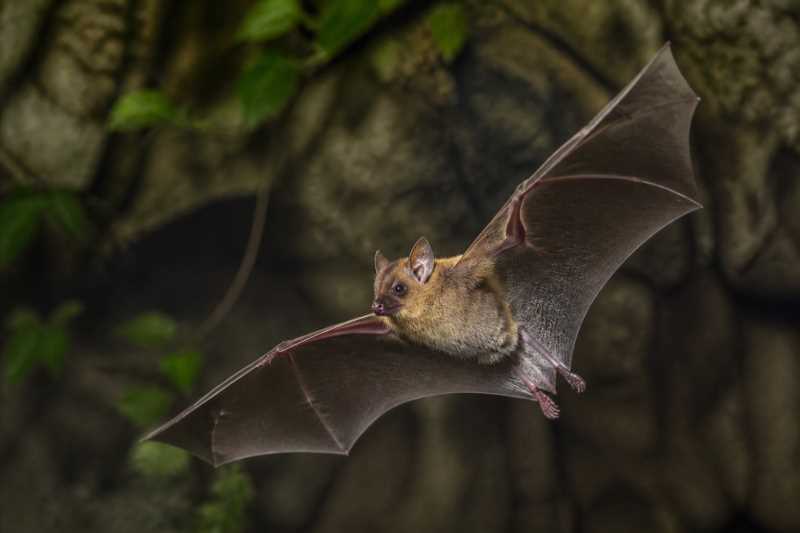
The Greater Sac-winged Bat is relatively small, with a body length ranging from 4 to 5 centimeters and a wingspan of approximately 28 to 30 centimeters. Weighing between 4 to 9 grams, these bats exhibit sexual dimorphism, with males generally being larger than females. One of the most striking features of this species is its unique wing sacs, located near the forearms. These sacs secrete pheromones used in communication and mating rituals.
The fur of Saccopteryx bilineata is typically a rich brown color, accented by two distinct white stripes running along the sides of its back. These stripes are more pronounced in males than in females, serving as a visual cue during social interactions. The face of the bat is adorned with a short, upturned snout and large, dark eyes, adapted for nocturnal activity. Their ears are relatively small and rounded, providing acute hearing capabilities essential for echolocation.
The overall anatomy of the Greater Sac-winged Bat is exquisitely designed for flight and echolocation, with long, narrow wings that allow for agile and swift maneuvers in the air. This physical proficiency aids them in their primary ecological role as insectivores, efficiently capturing prey during their nightly foraging expeditions.
Range and Habitat
The Greater Sac-winged Bat is predominantly found in the tropical and subtropical regions of Central and South America, with a range extending from southern Mexico through Brazil, Peru, and Bolivia. These bats favor a variety of habitats, including tropical rainforests, dry forests, and savannas. They are also known to inhabit areas close to water sources, such as rivers and streams, which provide abundant insect prey.
Roosting sites are crucial for the survival of the Greater Sac-winged Bat, and they often select locations that offer protection from predators and environmental elements. Common roosting sites include the undersides of palm leaves, tree hollows, and even man-made structures like abandoned buildings and bridges. These bats are known to form small colonies, typically consisting of a single male and several females along with their offspring.
The adaptability of Saccopteryx bilineata to various habitats underscores its resilience and ecological versatility, allowing it to thrive in diverse environmental conditions.
Behavior and Diet
The social structure of the Greater Sac-winged Bat is complex and fascinating, characterized by a harem-based system where a dominant male presides over a group of females. These social groups are often stable, with males employing various strategies to maintain control over their harem, including vocalizations and pheromone signaling.
Communication is a critical aspect of their behavior, with males producing a range of vocalizations used in mating calls and territorial displays. These calls are not only pivotal for attracting females but also for establishing dominance among competing males. Additionally, the wing sacs of males play a crucial role in these interactions, as they release pheromones that convey individual identity and reproductive status.
The diet of the Greater Sac-winged Bat primarily consists of insects, with a preference for moths, beetles, and flies. Their foraging activity is closely tied to the availability of prey, and they often hunt in open spaces where insects are abundant. The bats use echolocation to detect and capture their prey, emitting high-frequency sound waves that bounce off objects and return to the bat’s sensitive ears, allowing them to pinpoint the location of insects with remarkable precision.
Identification Tips (field recognition cues)
Identifying the Greater Sac-winged Bat in the field requires attention to several key characteristics:
- Size and Build: Look for a small bat with a wingspan of 28 to 30 centimeters and a weight of 4 to 9 grams.
- Distinctive Markings: Note the two white stripes running along the bat’s back, which are more prominent in males.
- Wing Sacs: Observe the presence of wing sacs near the forearms, especially in males.
- Habitat: Search in tropical and subtropical areas near water sources, where these bats are likely to roost.
- Behavior: Listen for the unique vocalizations used by males, particularly during the mating season.
By focusing on these identification cues, wildlife observers can accurately recognize the Greater Sac-winged Bat in its natural environment.
Conservation Status (with threats and protections)
The Greater Sac-winged Bat is currently classified as a species of Least Concern by the International Union for Conservation of Nature (IUCN). However, like many bat species, it faces several threats that could impact its population in the future.
Threats:
- Habitat Loss: Deforestation and land conversion for agriculture and urban development pose significant threats to their natural habitats.
- Pollution: Pesticides and other pollutants can reduce insect prey availability and directly harm bats.
- Climate Change: Alterations in climate patterns can affect food availability and roosting conditions.
Protections:
Efforts to conserve the Greater Sac-winged Bat include habitat protection and restoration, particularly in areas where deforestation is prevalent. Environmental policies that limit pesticide use and promote sustainable land management also benefit these bats. Additionally, public awareness campaigns about the ecological importance of bats can foster community support for conservation initiatives.
Frequently Asked Questions
1. What do Greater Sac-winged Bats eat?
Greater Sac-winged Bats primarily feed on insects, including moths, beetles, and flies. They use echolocation to locate and capture their prey during nighttime foraging activities.
2. How do Greater Sac-winged Bats communicate?
Communication among Greater Sac-winged Bats involves vocalizations and pheromone signaling. Males produce various calls to attract females and establish territory, and wing sacs release pheromones that convey individual identity and reproductive status.
3. Where can Greater Sac-winged Bats be found?
These bats are found in tropical and subtropical regions of Central and South America, from southern Mexico to Brazil, Peru, and Bolivia. They prefer habitats near water sources, such as rivers and streams.
4. Are Greater Sac-winged Bats endangered?
The Greater Sac-winged Bat is currently listed as Least Concern by the IUCN. However, they face threats from habitat loss, pollution, and climate change, which could impact their populations in the future.
5. How can I identify a Greater Sac-winged Bat in the wild?
Look for a small bat with two white stripes along its back, wing sacs near the forearms, and listen for distinctive vocalizations. They are typically found in tropical and subtropical regions near water sources.
Related posts