Introduction
The Sijin Pika (Ochotona sikimaria), a small mammalian species belonging to the family Ochotonidae, has captured the attention of wildlife enthusiasts and researchers alike. Endemic to the Eastern Himalayas, this elusive creature is closely related to rabbits and hares but is distinct in its behavior and habitat preferences. Known for their vocal communication and remarkable adaptations to harsh mountain environments, Sijin Pikas play a crucial role in their ecosystem. This article delves into various aspects of this fascinating species, including its physical characteristics, range, habitat, behavior, diet, conservation status, and tips for identifying them in the wild.
Physical Description
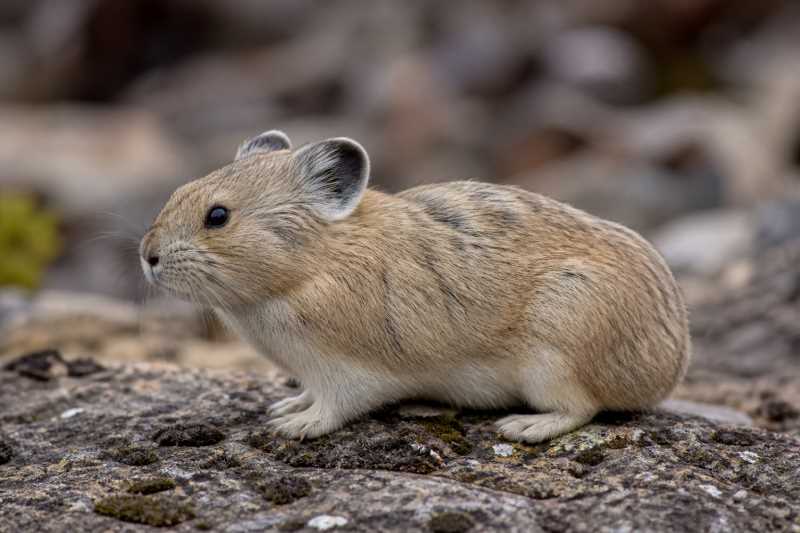
The Sijin Pika is a small, herbivorous mammal characterized by its round body, short limbs, and lack of a visible tail. On average, an adult Sijin Pika weighs between 100 to 150 grams and measures approximately 15 to 20 centimeters in length. Their dense fur, which can range from gray to brown, provides essential insulation against the cold temperatures of their mountainous habitat. Notably, their fur changes color with the seasons, offering better camouflage against predators and the environment.
The species possesses large, rounded ears, which are relatively small compared to other pika species. Their ears are covered with fur, reducing heat loss and providing protection against frostbite. Sijin Pikas also have sharp, curved claws adapted for digging and climbing rocky terrains, and their hind limbs are slightly longer than the front, aiding in swift movements across rugged landscapes.
Range and Habitat
Sijin Pikas are primarily found in the Eastern Himalayan region, spanning parts of India, Nepal, and Bhutan. They thrive in alpine and subalpine environments, typically at elevations ranging from 3,000 to 5,000 meters. These high-altitude habitats are characterized by rocky outcrops, grasslands, and sparse vegetation, offering ample opportunities for foraging and shelter.
The species is well-adapted to the cold, harsh climates of the Himalayas, where temperatures can drop significantly. They frequently inhabit areas with abundant rock crevices and boulders, which provide essential protection from predators and extreme weather conditions. Sijin Pikas are also known to create intricate burrow systems, which serve as safe havens and storage sites for food.
Behavior and Diet
Sijin Pikas are diurnal creatures, most active during the early morning and late afternoon. They are known for their vocalizations, which serve as a means of communication among individuals. These calls can range from short, high-pitched sounds to louder, more complex patterns used to warn others of potential threats or to establish territory.
Their diet primarily consists of grasses, herbs, and other vegetation available in their habitat. Sijin Pikas are adept foragers, and during the summer months, they gather and store food in their burrows to sustain them through the harsh winter when food is scarce. This behavior, known as haying, is vital for their survival.
Socially, Sijin Pikas are relatively solitary compared to other pika species, often maintaining individual territories. However, they may form loose colonies where resources are abundant, and their territories overlap.
Identification Tips (Field Recognition Cues)
Identifying Sijin Pikas in the wild requires keen observation and knowledge of their habitats and behavior. Here are some tips for recognizing them:
- Habitat Preference: Look for them in rocky, high-altitude environments, often near boulder fields or grassy slopes.
- Vocalizations: Listen for their distinctive calls, especially during dawn and dusk, as they communicate or alert others to danger.
- Physical Appearance: Note their small size, rounded ears, and uniform gray or brown fur, which blends with their surroundings.
- Behavior Patterns: Observe any foraging activity, particularly during summer, when they are seen collecting and storing vegetation.
Conservation Status (with Threats and Protections)
As of the current assessments, the Sijin Pika is classified as "Data Deficient" by the International Union for Conservation of Nature (IUCN) due to limited comprehensive studies on its population dynamics and distribution. However, like many high-altitude species, they face several threats, including habitat loss due to climate change, human encroachment, and potential competition with livestock.
Climate change poses a significant threat, as rising temperatures may alter the snow and vegetation patterns critical to their survival. Habitat fragmentation and degradation due to human activities, such as agriculture and tourism, further exacerbate their vulnerability.
Conservation efforts for the Sijin Pika should focus on habitat preservation, climate change mitigation, and further research to better understand their ecological needs and population trends. Protected areas within their range, such as national parks and wildlife sanctuaries, play a crucial role in safeguarding their habitats.
Frequently Asked Questions
What adaptations help Sijin Pikas survive in their harsh environment?
Sijin Pikas have several adaptations for surviving in high-altitude environments, including dense fur for insulation, fur-covered ears to prevent heat loss, and efficient haying behavior to store food for winter.
How do Sijin Pikas communicate with each other?
Sijin Pikas communicate primarily through vocalizations, using a range of calls to signal danger, establish territory, or interact with other individuals. These vocalizations are crucial for their social structure and survival.
What are the main threats to Sijin Pikas?
The main threats to Sijin Pikas include climate change, habitat loss, and human encroachment. These factors can lead to changes in their habitat, food availability, and increase competition with other species.
Where can I observe Sijin Pikas in their natural habitat?
Sijin Pikas can be observed in the Eastern Himalayas, particularly in high-altitude regions of India, Nepal, and Bhutan. Look for them in rocky terrains and grasslands at elevations of 3,000 to 5,000 meters.
What role do Sijin Pikas play in their ecosystem?
Sijin Pikas are important for their ecosystem as they contribute to plant dispersion through their foraging activities and serve as prey for various predators, maintaining the ecological balance.
Related posts