East African Potto (Perodicticus ibeanus) Species Article
Introduction
The East African Potto (Perodicticus ibeanus) is a captivating primate species that belongs to the family Lorisidae. Recognized for its elusive nature and unique adaptations, this nocturnal mammal inhabits the dense forests of East Africa. Often overshadowed by its more famous relatives, the East African Potto plays a crucial role in its ecosystem, contributing to the overall biodiversity of its habitat. In this comprehensive guide, we delve into the fascinating world of the East African Potto, exploring its physical attributes, behavior, and the conservation challenges it faces.
Physical Description
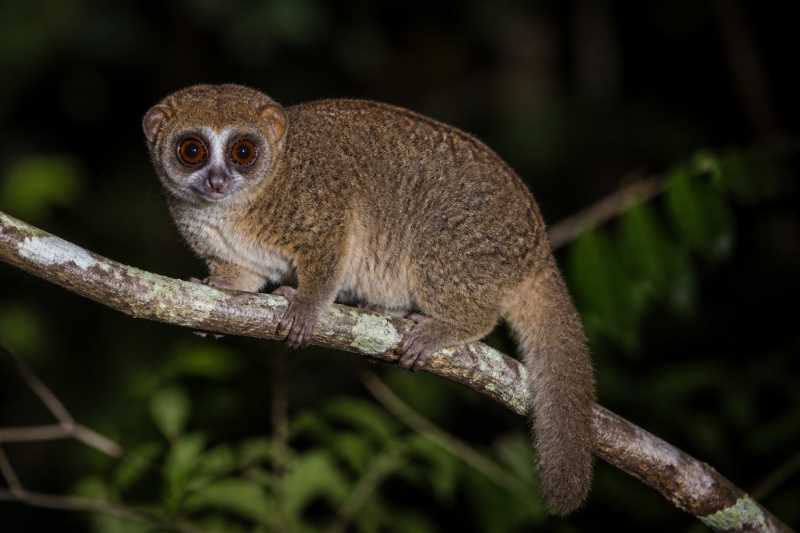
The East African Potto, characterized by its distinctive appearance, is a medium-sized primate typically weighing between 1 to 1.5 kilograms (2.2 to 3.3 pounds). Its body length ranges from 30 to 40 centimeters (12 to 16 inches), with an almost equal length tail. The Potto’s fur is dense and woolly, providing insulation in the cooler forest canopy. The coloration varies but is generally grayish-brown, aiding in camouflage among the branches.
One of the most remarkable features of the East African Potto is its specialized vertebrae. The cervical vertebrae are modified, allowing the Potto to assume a unique defensive posture by tucking its head low and arching its back, presenting a spiny ridge to potential predators. This adaptation, along with its slow, deliberate movements, makes the Potto a master of stealth.
Another notable characteristic is its highly flexible limbs and grasping hands and feet, which are equipped with opposable thumbs and big toes. This anatomical feature enables the Potto to navigate effortlessly through the treetops in search of food.
Range and Habitat
The East African Potto is predominantly found in the tropical rainforests and montane forests of East Africa, including countries such as Kenya, Uganda, Tanzania, and parts of the Democratic Republic of Congo. These primates thrive in dense, evergreen forests where they can exploit their arboreal skills.
Pottos prefer areas with a thick canopy cover, which offers safety from predators and abundant food resources. They are highly dependent on primary and secondary forests, where they can find their diverse diet and suitable nesting sites. However, habitat fragmentation and deforestation are serious threats to their preferred environments, pushing them into more isolated patches of forest.
Behavior and Diet
The East African Potto is a solitary and nocturnal creature, spending most of its active hours at night. During the day, it rests in tree hollows or dense foliage, which offer protection and camouflage. Pottos are known for their slow and deliberate movements, a trait that helps them avoid detection by both predators and prey.
Their diet is primarily frugivorous, consisting mainly of fruits, but they are also known to consume insects, small birds, and tree gums. The Potto’s ability to feed on a wide range of food items makes it an integral part of the forest ecosystem, aiding in seed dispersal and controlling insect populations.
Communication among Pottos is primarily through vocalizations and scent markings. They have a repertoire of calls used to signal danger or to attract mates. Scent marking is done through specialized glands, which play a crucial role in territory establishment and individual recognition.
Identification Tips
Identifying the East African Potto in the field can be challenging due to its nocturnal habits and excellent camouflage. However, there are several cues that can aid in its recognition:
- Body Size and Shape: Look for a medium-sized primate with a stocky build and short limbs.
- Fur Texture and Color: The dense, woolly fur is typically grayish-brown, blending with the forest environment.
- Movement Patterns: Notice its slow, deliberate movements, often pausing for long periods.
- Defensive Posture: The Potto’s unique ability to arch its back and tuck its head is a distinctive defensive behavior.
- Vocalizations: Listen for their low, guttural calls at night, often a sign of their presence.
Conservation Status
The East African Potto is currently classified as "Least Concern" by the International Union for Conservation of Nature (IUCN). However, this status does not imply that the species is free from threats. The primary threats include habitat destruction due to logging, agriculture, and human settlement expansion. Moreover, illegal wildlife trade poses a significant risk, as Pottos are sometimes captured for the pet trade.
Conservation efforts are crucial to ensure the survival of the East African Potto. These include protecting its natural habitat through the establishment of protected areas and promoting sustainable land-use practices. Additionally, raising awareness about the ecological importance of Pottos and the threats they face is vital for their long-term conservation.
Frequently Asked Questions
What is the typical lifespan of an East African Potto?
The East African Potto can live up to 20 years in the wild, although this can vary based on environmental conditions and threats. In captivity, with proper care, they may live slightly longer.
Are East African Pottos social animals?
East African Pottos are primarily solitary creatures. They come together only during mating seasons or when a mother is caring for her young. They maintain territories and use scent marking to communicate with other Pottos.
How do East African Pottos defend themselves from predators?
The East African Potto has a unique defensive posture, using its modified vertebrae to arch its back and present a spiny ridge. This, along with their slow and stealthy movements, helps deter predators.
What are the main threats to the East African Potto?
The primary threats to the East African Potto include habitat destruction due to deforestation and human encroachment, as well as the illegal pet trade.
How can we help conserve the East African Potto?
Conservation of the East African Potto can be supported by promoting habitat protection, sustainable land-use practices, and raising awareness about their ecological role and threats.
Related posts