Introduction
The Common Muskrat (Ondatra zibethicus) is a fascinating semi-aquatic rodent known for its adaptability and ecological importance. Native to North America, this remarkable species has successfully established itself in various environments, making it a subject of interest for ecologists and wildlife enthusiasts alike. In this comprehensive article, we delve into the world of the Common Muskrat, exploring its physical characteristics, natural range, behaviors, dietary habits, and conservation status.
Physical Description
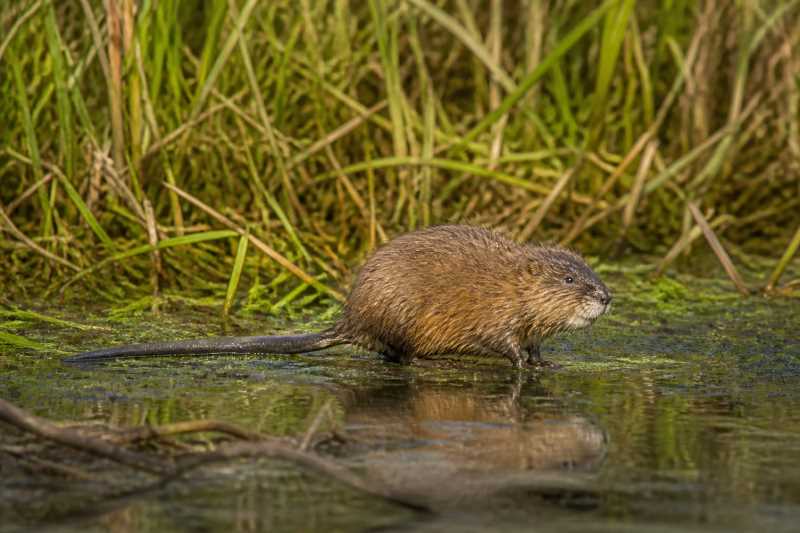
The Common Muskrat is a medium-sized rodent with a stout body and a distinct appearance that sets it apart from other species in its habitat. Adult muskrats typically weigh between 1.5 to 4 pounds, with a body length of 16 to 25 inches, including their long, laterally-flattened tail. Their dense fur varies in color from dark brown to near-black, providing excellent insulation against harsh aquatic environments.
Muskrats have small eyes and ears that are adapted for their semi-aquatic lifestyle, and their hind feet are partially webbed, aiding in swimming. Their broad, flat tails serve as both a rudder and a propulsion tool in water. The muskrat’s incisors are orange, a common trait among rodents, and are well-suited for gnawing through vegetation and constructing their intricate lodges.
Range and Habitat
The Common Muskrat is widely distributed across North America, from the northern reaches of Alaska and Canada to the southern United States and northern Mexico. Their adaptability to various aquatic environments, such as marshes, ponds, rivers, and lakes, has allowed them to thrive in diverse regions. Muskrats prefer habitats with abundant aquatic vegetation, which they use for food and building material.
In addition to their native range, muskrats have been introduced to several regions in Europe, Asia, and South America, where they have established stable populations. Their ability to adapt to different climates and water conditions has facilitated their spread beyond their original range.
Behavior and Diet
Common Muskrats are primarily nocturnal, although they may be active during the day in undisturbed areas. They are excellent swimmers, capable of staying underwater for up to 15 minutes while foraging for food. Muskrats are known for their complex burrow systems and lodges, which they construct using mud and vegetation. These structures provide shelter and protection from predators and harsh weather.
The diet of a muskrat is predominantly herbivorous, consisting of aquatic plants such as cattails, water lilies, and rushes. However, they are opportunistic feeders and will occasionally consume small aquatic animals, like frogs, clams, and fish, to supplement their diet. This varied diet allows muskrats to adapt to changing food availability in their environment.
Identification Tips (Field Recognition Cues)
Identifying a Common Muskrat in the field can be straightforward if you know what to look for. Here are some key identification tips:
- Size and Shape: Look for a medium-sized rodent with a rounded body and a long, laterally-flattened tail.
- Fur Color: Note the dense, dark brown to black fur, which can appear glossy when wet.
- Behavior: Observe their swimming patterns. Muskrats typically swim with their bodies submerged, leaving only their heads and upper backs visible above water.
- Habitat: Muskrats are often found near slow-moving water bodies with abundant aquatic vegetation.
- Tracks and Signs: Look for distinctive tracks with webbed hind feet and signs of vegetation gnawing or lodge construction.
Conservation Status (with Threats and Protections)
The Common Muskrat is not currently listed as threatened or endangered. Their population is considered stable across most of their range, thanks to their adaptability and prolific breeding habits. However, muskrats face several threats that could impact local populations, including habitat loss, pollution, and climate change.
Wetland drainage and development pose significant threats to muskrat habitats, reducing the availability of suitable environments. Pollution from agricultural runoff and industrial waste can degrade water quality, affecting both muskrats and their food sources. Additionally, climate change may alter wetland ecosystems, impacting muskrat populations in unpredictable ways.
Conservation efforts for muskrats focus on protecting wetland habitats and maintaining water quality. Some regions have implemented hunting regulations to manage muskrat populations sustainably, ensuring they do not become overabundant and cause ecological imbalances.
Frequently Asked Questions
1. What do muskrats eat in the wild?
Muskrats primarily consume aquatic vegetation, such as cattails, water lilies, and rushes. Occasionally, they supplement their diet with small aquatic animals like frogs, clams, and fish.
2. How can you tell the difference between a muskrat and a beaver?
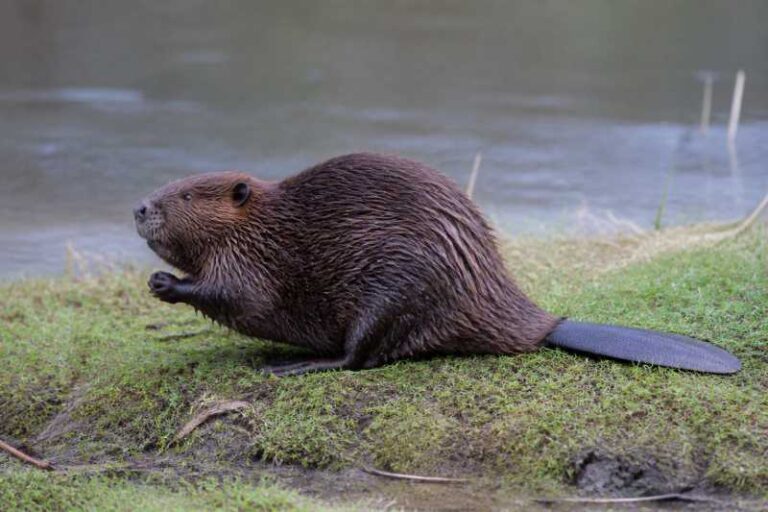
While both are aquatic rodents, muskrats are smaller, with a body length of 16 to 25 inches, including their tail. Beavers are larger, have a more robust body, and a broad, flat tail compared to the muskrat’s narrow, laterally-flattened tail.
3. Do muskrats hibernate during the winter?
No, muskrats do not hibernate. They remain active throughout the winter, using their lodges for shelter and accessing food stored underwater or beneath the ice.
4. Are muskrats harmful to the environment?
Muskrats play a crucial role in their ecosystems by influencing wetland vegetation and providing prey for predators. However, in areas where they become overabundant, they can cause damage to vegetation and infrastructure.
5. How do muskrats build their lodges?
Muskrats construct their lodges using a combination of mud, vegetation, and sticks. These lodges are built in water bodies and provide shelter and protection from predators and harsh weather conditions.
Related posts