Tonkean Macaque (Macaca tonkeana): A Comprehensive Guide
Introduction
The Tonkean macaque, scientifically known as Macaca tonkeana, is a fascinating primate species native to the island of Sulawesi in Indonesia. Known for their adaptability and complex social structures, these macaques play a significant role in their ecosystem. However, like many species, they face numerous threats that put their survival at risk. This article delves into the physical characteristics, habitat, behavior, and conservation status of the Tonkean macaque, offering a detailed understanding of this remarkable species.
Physical Description
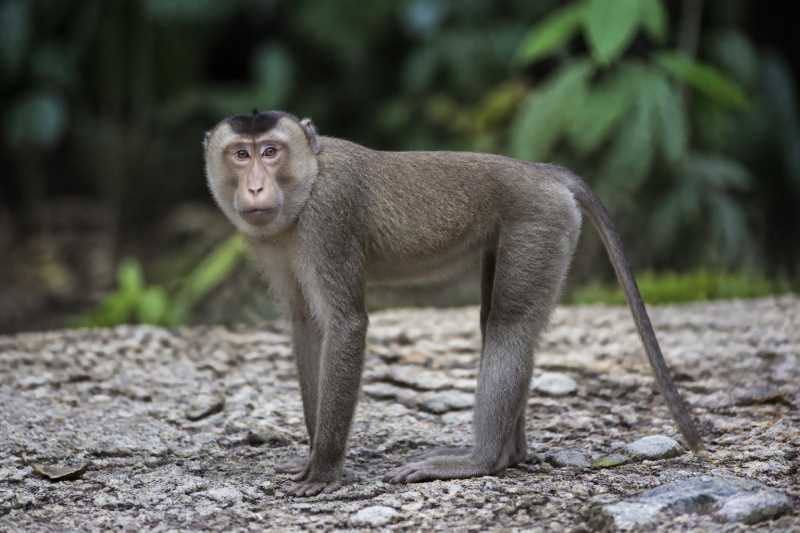
Tonkean macaques are medium-sized primates with distinct physical features that set them apart from other macaque species. Adult males typically weigh between 10 to 15 kilograms, while females are slightly smaller, weighing around 7 to 12 kilograms. Their body length ranges from 50 to 60 centimeters, excluding the tail, which is notably shorter compared to other macaques, measuring only 3 to 5 centimeters on average.
The fur of the Tonkean macaque is primarily dark brown to black, with lighter shades on the underparts. One of their most striking features is their expressive face, which is hairless and showcases various shades of pink to dark brown skin. Their eyes are large and forward-facing, providing excellent depth perception essential for navigating their arboreal environment.
Range and Habitat
Tonkean macaques are endemic to the central and southeastern parts of Sulawesi, as well as nearby islands such as Togian. They inhabit a range of tropical forest types, including lowland rainforests, montane forests, and mangrove swamps. These adaptable primates are found at elevations ranging from sea level to about 2,500 meters.
Their habitat selection is influenced by the availability of food resources, which they find in abundance in primary and secondary forests. Unfortunately, their range is increasingly fragmented due to deforestation and land conversion for agriculture, which poses a significant threat to their survival.
Behavior and Diet
Tonkean macaques are diurnal and highly social animals, living in groups that can comprise up to 100 individuals. These groups are structured hierarchically, with a dominant male leading the troop, although females also play a crucial role in maintaining social cohesion. Social grooming is a common behavior observed among group members, serving to strengthen bonds and reduce tension.
Their diet is omnivorous, consisting of fruits, leaves, seeds, and insects. Tonkean macaques are also known to consume small animals and bird eggs occasionally. Their foraging behavior is highly adaptable, allowing them to exploit various food sources depending on availability.
Identification Tips (Field Recognition Cues)
Identifying a Tonkean macaque in the wild can be done by observing several key characteristics:
- Size and Build: Medium-sized with a robust build. Males are noticeably larger than females.
- Fur Color: Dark brown to black fur with lighter underparts.
- Facial Features: Hairless face with varying skin tones from pink to dark brown and prominent, expressive eyes.
- Tail: Significantly shorter than those of other macaque species, aiding in easy identification.
- Vocalizations: Tonkean macaques are known for their wide range of vocalizations used for communication within the troop.
Conservation Status (With Threats and Protections)
The Tonkean macaque is currently classified as Vulnerable on the IUCN Red List. The primary threats to their survival include habitat destruction due to logging, agricultural expansion, and human encroachment. Additionally, hunting and illegal pet trade pose significant risks to their populations.
Conservation efforts are underway to protect the Tonkean macaque and its habitat. These include establishing protected areas, enforcing anti-poaching laws, and promoting sustainable land-use practices. Conservationists are also working to raise awareness among local communities about the importance of preserving these primates and their ecosystems.
Frequently Asked Questions
What is the average lifespan of a Tonkean macaque?
Tonkean macaques can live up to 20 to 30 years in the wild, although their lifespan may be shorter due to environmental pressures and predation.
How do Tonkean macaques communicate?
These macaques communicate through a combination of vocalizations, body language, and facial expressions. Vocalizations can range from calls to alert the troop of danger to softer sounds used in social interactions.
Are Tonkean macaques endangered?
While not currently classified as endangered, the Tonkean macaque is listed as Vulnerable due to habitat loss and hunting pressures. Conservation measures are critical to ensure their survival.
What role do Tonkean macaques play in their ecosystem?
Tonkean macaques are important seed dispersers, contributing to forest regeneration and biodiversity. Their presence aids in maintaining the ecological balance within their habitat.
How can we help protect Tonkean macaques?
Supporting conservation organizations, advocating for sustainable land-use practices, and educating others about the plight of Tonkean macaques are effective ways to contribute to their protection.
Related posts