Introduction
The Western Greater Long-nosed Armadillo, scientifically known as Dasypus pastasae, is a fascinating mammal species belonging to the family Dasypodidae. Renowned for its distinctive long nose and armored shell, this armadillo is an intriguing subject of study for both researchers and wildlife enthusiasts. Endemic to certain regions of South America, the Western Greater Long-nosed Armadillo is not only an integral part of its ecosystem but also a species with significant cultural and ecological importance. In this comprehensive article, we delve into the various aspects of this unique mammal, exploring its physical characteristics, habitat, behavior, conservation status, and more.
Physical Description
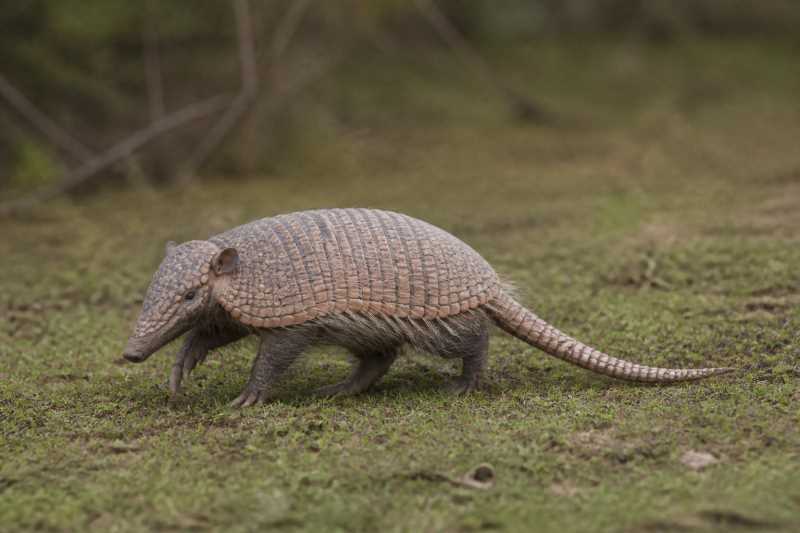
The Western Greater Long-nosed Armadillo is characterized by its elongated snout, which it utilizes to forage for food. It has a robust, armored shell made up of bony plates called osteoderms. These plates are arranged in movable bands, allowing the armadillo a degree of flexibility while still providing protection from predators. Typically, this species exhibits a grayish-brown coloration, which helps it blend into its natural surroundings.
An adult Western Greater Long-nosed Armadillo generally measures between 40 to 60 centimeters in length, not including the tail, which can add an additional 25 to 40 centimeters. They weigh around 3 to 6 kilograms, with males usually being slightly larger than females. Their limbs are short but powerful, equipped with strong claws that are adept at digging.
Range and Habitat
The Western Greater Long-nosed Armadillo is primarily found in the western regions of the Amazon Basin, extending through countries such as Ecuador, Peru, and Colombia. It thrives in diverse habitats ranging from tropical rainforests to grasslands and scrub areas. These armadillos prefer environments with abundant leaf litter and loose soil, which facilitate their burrowing and foraging behaviors.
Their habitat selection is heavily influenced by the availability of food resources and suitable burrowing sites. They are often found in areas that offer a mix of dense vegetation for cover and open spaces for foraging. This adaptability in habitat preference is one of the reasons for their relatively stable populations in suitable environments.
Behavior and Diet
The Western Greater Long-nosed Armadillo is primarily nocturnal, spending its days resting in burrows and emerging at night to forage. It is a solitary creature except during mating seasons or when females are rearing young.
Their diet is omnivorous, with a strong preference for insects and other invertebrates. The elongated snout and keen sense of smell are essential for locating food hidden beneath the soil or amongst leaf litter. They also consume a variety of plant matter, fruits, and small vertebrates, making them opportunistic feeders.
Identification Tips (Field Recognition Cues)
Identifying the Western Greater Long-nosed Armadillo in the field requires attention to several key features:
- Long Snout: One of the most distinguishing features is the elongated nose, which is longer than that of many other armadillo species.
- Armor Bands: Look for the flexible bands of armor across its back, which are more pronounced and numerous compared to smaller armadillo species.
- Tail: The tail is long and thick, covered with bony rings that provide additional protection.
- Size: Its size, larger than many other armadillo species, is a useful identifying characteristic.
- Coloration: The grayish-brown color helps in distinguishing it from other species that may have more varied color patterns.
Conservation Status (with Threats and Protections)
Currently, the Western Greater Long-nosed Armadillo is not listed as endangered. However, it faces several threats that could impact its populations over time. Habitat destruction, primarily due to deforestation for agriculture and urban development, poses a significant risk. Additionally, hunting for meat and traditional medicine affects certain populations.
Conservation efforts are in place in some regions, focusing on habitat preservation and legal protections against hunting. Educating local communities about the ecological role of armadillos can also aid in their conservation.
Frequently Asked Questions
1. What do Western Greater Long-nosed Armadillos eat?
Western Greater Long-nosed Armadillos are omnivores, primarily consuming insects, invertebrates, fruits, and small vertebrates. Their elongated snout and keen sense of smell are crucial for foraging.
2. Where can you find Western Greater Long-nosed Armadillos?
These armadillos are native to the western Amazon Basin, particularly in countries like Ecuador, Peru, and Colombia, inhabiting tropical rainforests, grasslands, and scrublands.
3. How do Western Greater Long-nosed Armadillos protect themselves?
Their primary defense is their armored shell made of bony plates, which protects them from predators. They also dig burrows for shelter and can curl into a ball, using their armor as a shield.
4. Are Western Greater Long-nosed Armadillos endangered?
Currently, they are not classified as endangered, but they face threats such as habitat destruction and hunting, which could impact their populations if left unchecked.
5. How do Western Greater Long-nosed Armadillos reproduce?
During the breeding season, males and females come together to mate. Females give birth to one to two offspring after a gestation period of about four months, and the young are weaned after a few months.
Related posts