Pygmy Bamboo Bat (Tylonycteris pygmaea)
Introduction
The Pygmy Bamboo Bat, scientifically known as Tylonycteris pygmaea, is a fascinating and diminutive member of the Vespertilionidae family. This elusive mammal is known for its unique adaptations that enable it to thrive in specific ecological niches. Despite its small size, the Pygmy Bamboo Bat plays a vital role in its ecosystem, contributing to insect population control and serving as an indicator of environmental health. This article aims to provide an in-depth look at the Pygmy Bamboo Bat, exploring its physical characteristics, natural habitat, and behaviors, as well as the conservation challenges it faces.
Physical Description
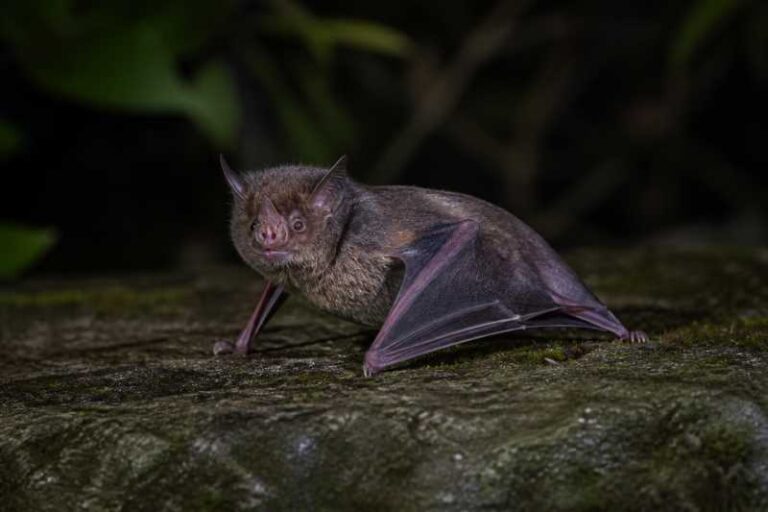
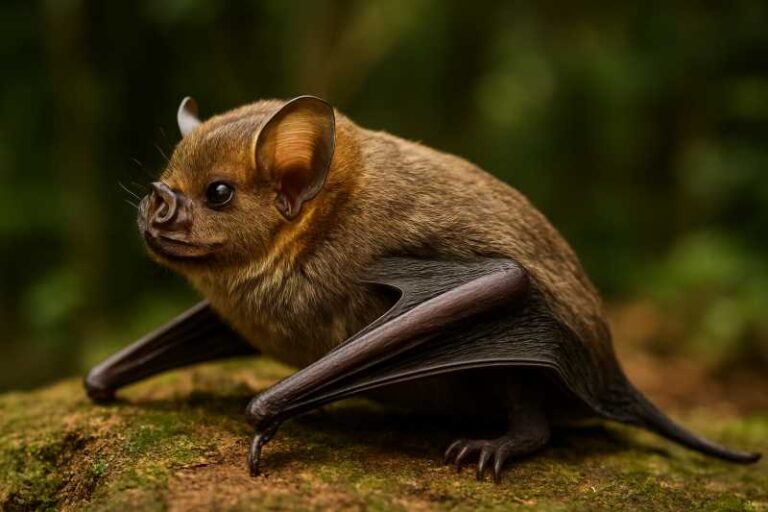
The Pygmy Bamboo Bat is one of the smallest bat species in the world, with an average body length of just 3 to 4 centimeters and a wingspan ranging from 10 to 12 centimeters. Weighing in at a mere 1.5 to 2 grams, this bat is truly a marvel of miniaturization. Its fur is typically a soft, velvety brown, providing excellent camouflage against the bamboo stems where it often roosts. The bat’s face is characterized by a short muzzle and large, dark eyes, which are well-adapted for its nocturnal lifestyle. Its ears are rounded and relatively large compared to its head size, aiding in echolocation. The Pygmy Bamboo Bat’s wing membrane is thin and translucent, allowing for agile flight through dense vegetation.
Range and Habitat
The Pygmy Bamboo Bat is primarily found in Southeast Asia, with its range extending across countries such as Thailand, Vietnam, Laos, Cambodia, and parts of Southern China. This species is intimately linked to bamboo forests, wherein it roosts in the hollow internodes of bamboo stems. These habitats provide the bats with protection from predators and harsh environmental conditions. The bats are also found in secondary forests and agricultural lands where bamboo is prevalent. However, deforestation and land conversion pose significant threats to their habitats, making conservation of bamboo forests crucial for their survival.
Behavior and Diet
Pygmy Bamboo Bats are nocturnal creatures, emerging from their roosts at dusk to forage for food. Their diet consists primarily of small insects, including moths, beetles, and flies, which they catch in mid-flight using sophisticated echolocation abilities. These bats are social animals, often roosting in small colonies that can consist of up to 50 individuals. This social structure provides warmth and protection, especially for nursing mothers and their young. During the day, they remain hidden in their bamboo roosts, which also serve as a nursery for raising their offspring. Mating typically occurs in the late summer months, with females giving birth to a single pup after a gestation period of about two months.
Identification Tips (field recognition cues)
Identifying the Pygmy Bamboo Bat in the wild can be challenging due to its small size and secretive nature. However, certain cues can aid in detection and identification:
- Habitat Preference: Look for these bats in bamboo-rich areas, particularly where hollow stems are accessible.
- Size and Shape: Note the tiny size and rounded ears when observing bats in flight at dusk.
- Roosting Behavior: During the day, inspect bamboo groves for signs of bat roosts. The presence of guano or chewed bamboo near hollow stems may indicate a nearby colony.
- Echolocation Calls: Use a bat detector to listen for their high-frequency echolocation calls, which are distinct from those of larger bat species.
Conservation Status (with threats and protections)
The Pygmy Bamboo Bat is currently classified as Near Threatened on the IUCN Red List. The primary threat to this species is habitat loss due to deforestation, agricultural expansion, and urban development. Bamboo forests, their primary habitat, are often cleared for timber, agriculture, and infrastructure projects. Additionally, climate change poses a long-term threat by altering the availability and distribution of suitable habitats. Conservation efforts for the Pygmy Bamboo Bat focus on habitat preservation and restoration. Protecting existing bamboo forests and promoting reforestation initiatives are essential strategies. Legal protections and environmental awareness campaigns are also necessary to mitigate human-induced threats.
Frequently Asked Questions
What do Pygmy Bamboo Bats eat?
Pygmy Bamboo Bats primarily feed on small insects such as moths, beetles, and flies. They use echolocation to locate and catch their prey in mid-air during their nocturnal foraging activities.
Where can Pygmy Bamboo Bats be found?
These bats are found in Southeast Asia, particularly in countries like Thailand, Vietnam, Laos, Cambodia, and southern regions of China. They inhabit bamboo forests, which provide them with roosting sites and food resources.
How do Pygmy Bamboo Bats roost?
Pygmy Bamboo Bats roost in the hollow internodes of bamboo stems, offering protection from predators and harsh weather. They often form small colonies and share these roosting sites with other bats.
Are Pygmy Bamboo Bats endangered?
While not currently endangered, the Pygmy Bamboo Bat is classified as Near Threatened due to habitat loss from deforestation and land-use changes. Conservation efforts are critical to ensure their survival.
What are the main threats to Pygmy Bamboo Bats?
The main threats to Pygmy Bamboo Bats include habitat destruction due to deforestation and agricultural expansion, as well as climate change, which affects the availability of suitable roosting and foraging habitats.
Related posts