White-tailed Ethiopian Rat (Stenocephalemys albocaudatus)
Introduction
The White-tailed Ethiopian Rat, scientifically known as Stenocephalemys albocaudatus, is a fascinating rodent species endemic to Ethiopia. This unique mammal is part of the Muridae family, which includes various species of rats and mice. Despite its relatively obscure status in the animal kingdom, the white-tailed Ethiopian rat plays a vital role in its ecosystem, contributing to seed dispersal and serving as prey for larger predators. This article delves into the physical characteristics, habitat, behavior, and conservation status of this intriguing species.
Physical Description
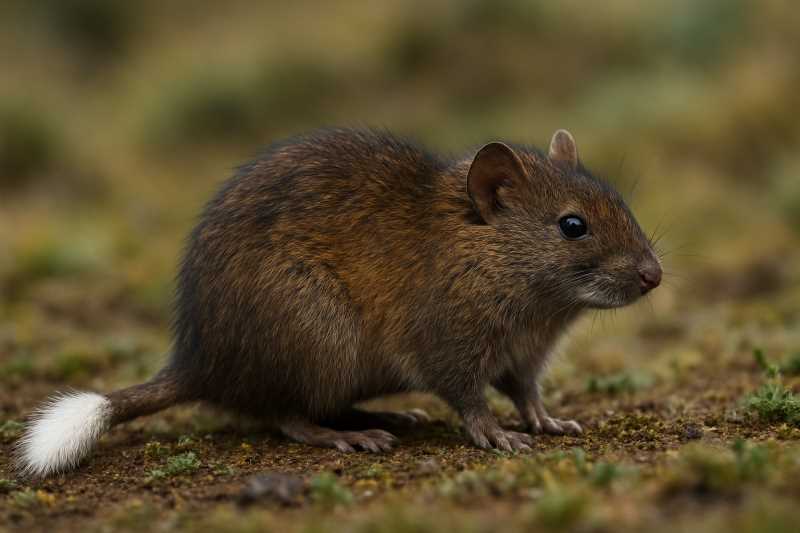
The White-tailed Ethiopian Rat is characterized by its distinctive white tail, a feature that sets it apart from other members of the Stenocephalemys genus. Adult rats typically measure about 20 to 25 centimeters in length, with the tail accounting for nearly half of their body length. The fur is generally a rich brown on the dorsal side, transitioning to a lighter gray or white on the ventral side. This dual coloration provides effective camouflage in its natural habitat.
The rat’s head is relatively small with a pointed snout, and its ears are rounded and covered with fine hair. The eyes are adapted for nocturnal activity, offering excellent night vision. The limbs are proportional, with strong hind legs that facilitate agile movement through its mountainous terrain.
Range and Habitat
The White-tailed Ethiopian Rat is endemic to the highlands of Ethiopia, primarily residing in montane forests and grasslands at elevations ranging from 2,000 to 3,000 meters above sea level. This high-altitude preference influences its ecological interactions and dietary habits. The species thrives in regions with dense vegetation, which offers ample cover from predators and access to an abundance of food resources, including seeds, fruits, and insects.
The rat’s habitat is characterized by a temperate climate with distinct wet and dry seasons. During the wet season, the availability of food increases, supporting higher population densities. Conversely, the dry season prompts the rats to expand their foraging range in search of scarce resources.
Behavior and Diet
White-tailed Ethiopian Rats are primarily nocturnal, emerging from their burrows at dusk to forage for food. Their diet is omnivorous, consisting of a wide variety of plant materials, seeds, fruits, and insects. This dietary flexibility allows them to adapt to the changing availability of food resources throughout the year.
Socially, these rats demonstrate a solitary lifestyle, although they may occasionally be observed in small, loosely organized groups during the breeding season. Communication among individuals is facilitated through a combination of vocalizations, scent markings, and body language.
Breeding occurs once or twice a year, with each litter producing between three to six offspring. The young are weaned after approximately three weeks, reaching sexual maturity at around three months of age.
Identification Tips (Field Recognition Cues)
For field researchers and wildlife enthusiasts, identifying the White-tailed Ethiopian Rat involves recognizing several key features:
- Tail Coloration: Look for the distinctive white tail, which is a hallmark of the species.
- Fur Color: Note the contrast between the dark brown dorsal side and the lighter ventral side.
- Size and Proportions: Observe the relatively small head, pointed snout, and proportionate limbs.
- Habitat: Consider the altitude and vegetation density, as the species is typically found in highland regions with ample cover.
- Behavior: The rat’s nocturnal activity and omnivorous diet are additional indicators.
Conservation Status (with Threats and Protections)
The White-tailed Ethiopian Rat is currently classified as "Near Threatened" by the International Union for Conservation of Nature (IUCN). The primary threats to its survival include habitat loss due to agricultural expansion, deforestation, and human encroachment. These activities reduce the availability of suitable habitats and food resources, leading to population declines.
Conservation efforts are underway to protect the rat’s natural habitat. These efforts include the establishment of protected areas and the promotion of sustainable land-use practices that minimize environmental impact. Raising awareness about the ecological importance of this species is also crucial for its long-term survival.
Frequently Asked Questions
What is the habitat of the White-tailed Ethiopian Rat?
The White-tailed Ethiopian Rat inhabits the highlands of Ethiopia, specifically in montane forests and grasslands at elevations of 2,000 to 3,000 meters. It thrives in areas with dense vegetation.
How can you identify a White-tailed Ethiopian Rat?
Key identification features include its distinctive white tail, brown dorsal fur, and lighter ventral fur. It is found in high-altitude regions and exhibits nocturnal behavior.
What threats does the White-tailed Ethiopian Rat face?
The primary threats include habitat loss due to agricultural expansion, deforestation, and human encroachment. Conservation efforts focus on habitat protection and sustainable land use.
Is the White-tailed Ethiopian Rat endangered?
Currently, the White-tailed Ethiopian Rat is classified as "Near Threatened" by the IUCN. Efforts are in place to protect its habitat and mitigate threats to its survival.
What does the White-tailed Ethiopian Rat eat?
The diet of the White-tailed Ethiopian Rat is omnivorous, including seeds, fruits, plant materials, and insects, allowing it to adapt to seasonal changes in food availability.
Related posts