Introduction
Gerp’s Mouse Lemur (Microcebus gerpi) is a fascinating and relatively recent discovery in the world of primatology. Discovered in 2012, this species was named after the Groupe d’Etude et de Recherche sur les Primates de Madagascar (GERP), an organization dedicated to studying and conserving Madagascar’s unique primate fauna. Gerp’s Mouse Lemur is notable not only for its diminutive size but also for its role in highlighting the incredible biodiversity of Madagascar’s forests. This article aims to delve into the various aspects of Gerp’s Mouse Lemur, covering its physical description, range and habitat, behavior and diet, identification tips, and its conservation status.
Physical Description
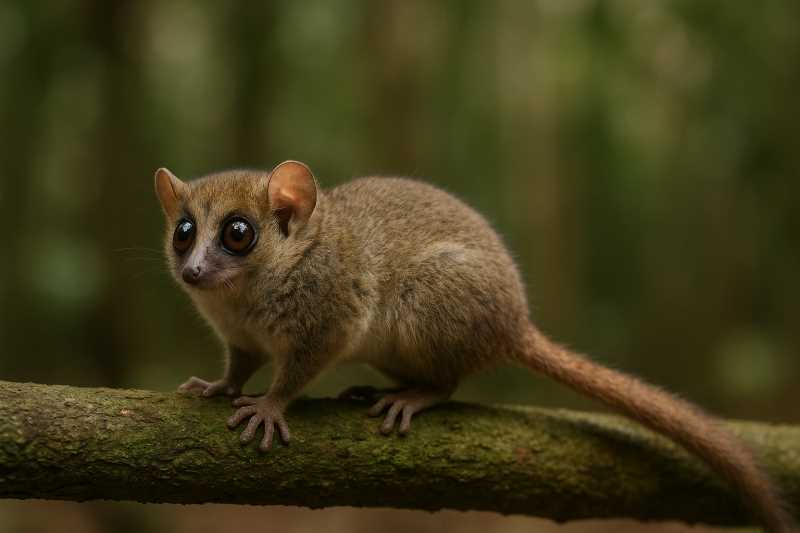
Gerp’s Mouse Lemur, like other members of the genus Microcebus, is distinguished by its small size. It typically weighs around 50 grams and measures approximately 25 centimeters in total length, including its tail. The fur of Gerp’s Mouse Lemur is a soft, reddish-brown on the dorsal side, providing excellent camouflage among the foliage. Their ventral side is lighter, often a creamy white or pale gray.
The face of Gerp’s Mouse Lemur is characterized by large, forward-facing eyes that are adapted for nocturnal vision, a common trait among many lemur species. These large eyes are framed by a short snout and small, rounded ears. The hands and feet of Gerp’s Mouse Lemur are adapted for grasping, with opposable thumbs and long fingers, which aid in navigating through the dense forest canopy.
Range and Habitat
Gerp’s Mouse Lemur is endemic to Madagascar, specifically found in the eastern rainforests of the island. The species has been recorded primarily in the lowland and mid-altitude forests of the Marolambo region. These forests are characterized by high levels of humidity and a dense canopy, which provide ideal conditions for the lemur’s arboreal lifestyle.
The habitat of Gerp’s Mouse Lemur is under threat from human activities such as deforestation and agricultural expansion, which reduce the available natural habitat and fragment the populations. These forests are crucial not only for Gerp’s Mouse Lemur but also for countless other species that rely on this environment.
Behavior and Diet
Gerp’s Mouse Lemur is a nocturnal and arboreal species, spending much of its life in the trees. It is solitary by nature, though individuals may come together during the breeding season or when resources are particularly abundant. Like many lemurs, Gerp’s Mouse Lemur communicates through vocalizations, scent markings, and physical gestures.
The diet of Gerp’s Mouse Lemur is omnivorous. It primarily feeds on a variety of fruits, flowers, insects, and other small invertebrates. This varied diet is essential for meeting the nutritional needs of the species and enables it to adapt to seasonal changes in food availability.
Identification Tips (Field Recognition Cues)
Identifying Gerp’s Mouse Lemur in the field requires careful observation and some knowledge of its physical and behavioral characteristics. Here are some tips for recognizing this elusive lemur:
- Size and Coloration: Look for a small primate with reddish-brown dorsal fur and a lighter ventral side.
- Eye Reflection: At night, use a flashlight to spot the reflection of their large eyes, which are adapted for nocturnal activity.
- Behavior: Observe for solitary or small groups in the canopy, often heard rustling leaves while foraging.
- Vocalizations: Listen for their distinctive calls, especially during the night.
Conservation Status (with Threats and Protections)
Gerp’s Mouse Lemur is currently classified as Endangered on the IUCN Red List. The primary threats to its survival include habitat destruction due to logging, slash-and-burn agriculture, and mining activities. These practices lead to fragmentation and degradation of the lemur’s natural habitat, reducing their numbers and limiting genetic diversity.
Conservation efforts are underway to protect Gerp’s Mouse Lemur and its habitat. These include the establishment of protected areas and national parks in Madagascar, as well as initiatives to promote sustainable land-use practices. Research organizations like GERP are instrumental in monitoring lemur populations and advocating for their conservation.
Frequently Asked Questions
1. Where can Gerp’s Mouse Lemur be found?
Gerp’s Mouse Lemur is endemic to Madagascar, specifically inhabiting the eastern rainforests of the Marolambo region.
2. What does Gerp’s Mouse Lemur eat?
This species is omnivorous, feeding on fruits, flowers, insects, and other small invertebrates found in its forest habitat.
3. Why is Gerp’s Mouse Lemur endangered?
The primary threats are habitat destruction and fragmentation due to human activities such as deforestation and agriculture.
4. How does Gerp’s Mouse Lemur communicate?
Gerp’s Mouse Lemur uses vocalizations, scent markings, and physical gestures to communicate with others of its species.
5. What are the major conservation efforts for Gerp’s Mouse Lemur?
Conservation efforts include creating protected areas, promoting sustainable land use, and conducting ongoing research and monitoring by organizations like GERP.
Related posts