The Cinereous Bunting: A Detailed Overview of Emberiza cineracea
Introduction
The Cinereous Bunting (Emberiza cineracea) is a fascinating and relatively lesser-known species that captures the interest of ornithologists and bird enthusiasts alike. Belonging to the Emberizidae family, this bird is known for its unique coloration and limited geographical distribution. This article delves into the distinct features, habitat, behavior, and conservation status of the Cinereous Bunting, providing a comprehensive understanding of this intriguing avian species.
Physical Description
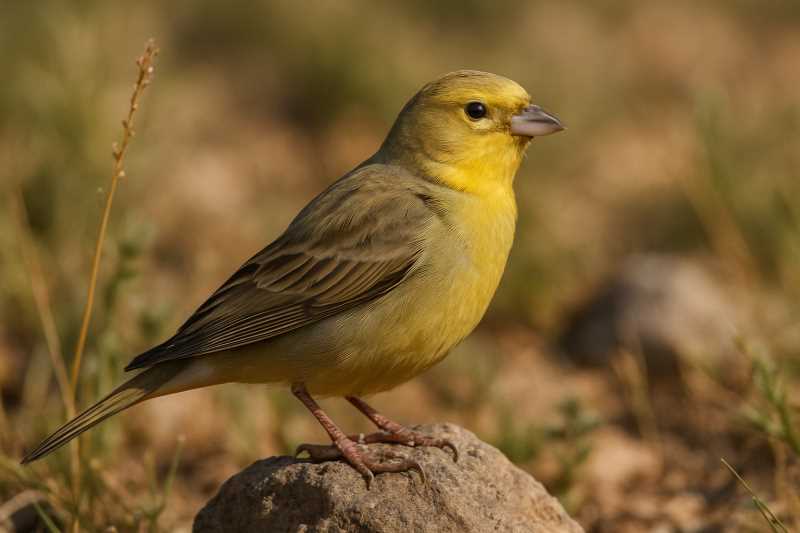
The Cinereous Bunting is a small passerine bird, measuring approximately 15-16 cm in length and weighing around 20-25 grams. The species exhibits sexual dimorphism, with males being slightly more colorful than females. During the breeding season, males display a striking combination of slate-grey plumage on the upper parts and a contrasting yellowish-buff coloration on the underparts. Their heads are characterized by a grey crown and nape, with a distinctive black streak running through the eye. In contrast, females and non-breeding males have a more subdued appearance, with brownish-grey upper parts and buff-toned underparts, allowing them to blend seamlessly into their surroundings.
Habitat and Distribution
The Cinereous Bunting has a relatively restricted distribution, primarily inhabiting parts of the Eastern Mediterranean and the Middle East. Its breeding range extends from Turkey and the Greek islands to the western regions of Iran. The bird favors open, arid landscapes such as scrublands, rocky hillsides, and semi-desert environments that provide ample opportunities for nesting and foraging.
During the non-breeding season, the Cinereous Bunting migrates to wintering grounds in the Arabian Peninsula and northeastern Africa, including countries like Saudi Arabia, Yemen, and Ethiopia. This seasonal migration is driven by the need to find suitable feeding grounds as food availability fluctuates throughout the year.
Behavior and Diet
The Cinereous Bunting is primarily a ground-dwelling bird, often seen foraging on the ground in search of food. Its diet consists mainly of seeds and insects, which it gleans from the ground or low vegetation. During the breeding season, the bird supplements its diet with a higher proportion of insects to meet the increased nutritional demands of raising chicks.
This species is known for its distinctive song, which consists of a series of melodious, high-pitched notes. The male’s song plays a crucial role in establishing territory and attracting a mate during the breeding season. Despite its relatively small size, the Cinereous Bunting can be quite territorial, often engaging in display flights and vocalizations to ward off intruders.
Breeding and Reproduction
The breeding season for the Cinereous Bunting typically begins in late April and extends into early July. The species is monogamous, with pairs forming at the onset of the breeding season. Males engage in elaborate courtship displays to attract females, including singing from prominent perches and performing flight displays.
Once a pair bond is established, the female selects a nesting site, usually on the ground or in low vegetation, and constructs a cup-shaped nest using grasses, twigs, and other plant materials. The female lays a clutch of 3-5 eggs, which she incubates for about 12-14 days. During this period, the male plays a crucial role in defending the territory and providing food for the female.
After hatching, both parents participate in feeding and caring for the chicks. The young birds fledge approximately 10-12 days after hatching, although they remain dependent on their parents for food and protection for several weeks thereafter.
Conservation Status and Threats
The International Union for Conservation of Nature (IUCN) currently classifies the Cinereous Bunting as Near Threatened. The primary threat to this species is habitat loss and degradation, driven by agricultural expansion, urban development, and changes in land use. Additionally, climate change poses a long-term threat by altering the availability of suitable habitats and food resources.
Conservation efforts for the Cinereous Bunting focus on habitat protection and management, as well as raising awareness about the ecological importance of this species. Protected areas and nature reserves play a crucial role in safeguarding the natural habitats of the Cinereous Bunting, while research initiatives aim to improve our understanding of its ecology and inform conservation strategies.
Conclusion
The Cinereous Bunting is a remarkable bird that exemplifies the unique biodiversity of the Eastern Mediterranean and the Middle East. With its distinctive appearance, migratory behavior, and specialized habitat requirements, this species continues to captivate and challenge ornithologists and conservationists. As we strive to protect and preserve the natural world, the Cinereous Bunting serves as a reminder of the intricate connections between species and their environments and the importance of maintaining these delicate ecosystems for future generations.
References
– BirdLife International. (2021). Emberiza cineracea. The IUCN Red List of Threatened Species 2021: e.T22720955A181218124.
– Svensson, L., Mullarney, K., & Zetterström, D. (2010). Collins Bird Guide: The Most Complete Guide to the Birds of Britain and Europe. HarperCollins Publishers.
– Porter, R. F., Christensen, S., & Schiermacker-Hansen, P. (1996). Field Guide to the Birds of the Middle East. T & AD Poyser.
Related posts