Ocellated Crake: A Hidden Gem of the Avian World
The Ocellated Crake, scientifically known as *Rufirallus schomburgkii*, is a small and elusive bird that inhabits the dense grasslands and savannas of South America. Despite its discreet nature, this bird has captured the interest of ornithologists and birdwatchers alike due to its unique characteristics and behaviors. This article takes a closer look at the fascinating aspects of the Ocellated Crake, from its habitat and distribution to its conservation status and ecological significance.
Habitat and Distribution
The Ocellated Crake is primarily found in the tropical regions of South America, with its range extending across countries like Brazil, Venezuela, Colombia, Guyana, and Suriname. Preferring lowland grasslands and savannas, this bird is often associated with areas that have dense ground vegetation which offers ample cover. The crake’s reliance on such specific habitats makes it susceptible to environmental changes, including habitat destruction and fragmentation.
These birds are often found near water bodies, such as marshes and riversides, where the dense vegetation provides both food resources and protection from predators. Despite its broad geographic range, the Ocellated Crake is considered rare and is seldom observed due to its secretive nature and the inaccessibility of its preferred habitats.
Physical Description
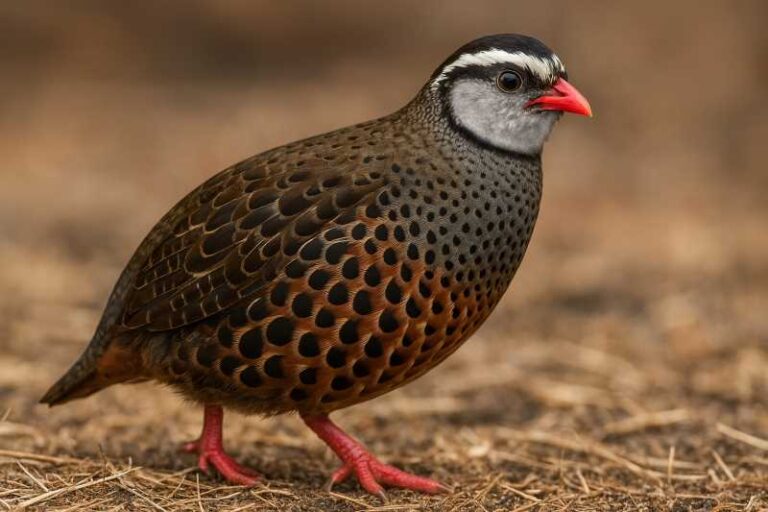
The Ocellated Crake is a small bird, measuring about 16 to 18 centimeters in length. It is characterized by its distinctive plumage, which features a predominantly brown body with intricate black and white spotting and barring. The bird’s name, “ocellated,” refers to the eye-like spots on its feathers, which are thought to play a role in camouflage and predator deterrence.
The crake’s bill is short and slightly curved, adapted for foraging in the dense underbrush. Its legs are strong and well-suited for walking through tangled grasses, while its wings, though short, allow for brief bursts of flight when necessary.
Behavior and Diet
Ocellated Crakes are primarily ground-dwelling birds, spending most of their time foraging for food amidst the undergrowth. Their diet consists mainly of insects, small invertebrates, and seeds, which they find by probing the ground with their bills. Their feeding habits play a crucial role in controlling insect populations and dispersing seeds, thereby contributing to the ecological balance of their habitats.
These birds are known for their secretive behavior, often remaining hidden within the vegetation and making them difficult to spot. However, they can sometimes be heard calling, especially during the breeding season. Their calls are a series of soft coos and whistles, which serve to communicate with mates and establish territories.
Breeding and Reproduction
The breeding behavior of the Ocellated Crake is not well-documented, largely due to the challenges in observing these birds in their natural habitats. However, it is believed that they engage in monogamous pairings, with both parents participating in the care of their young. Nests are typically constructed on the ground, hidden among dense grasses to protect against predators.
Females lay a small clutch of eggs, which are incubated for about two weeks. Once hatched, the chicks are precocial, meaning they are relatively mature and mobile from birth. This adaptation allows them to quickly follow their parents and learn essential survival skills.
Conservation Status and Challenges
The Ocellated Crake is currently listed as Least Concern by the International Union for Conservation of Nature (IUCN), but its population trends are not well understood. The bird’s elusive nature and the inaccessibility of its habitats pose significant challenges to researchers attempting to study and monitor its populations.
Habitat loss due to agricultural expansion, deforestation, and land conversion poses the greatest threat to the Ocellated Crake. Conservation efforts aimed at preserving grassland and savanna ecosystems are crucial for the survival of this species. Protecting these environments not only benefits the crake but also supports a wide range of other wildlife species that depend on these habitats.
Ecological Significance
Despite being a small and secretive bird, the Ocellated Crake plays an important role in its ecosystem. As an insectivore, it helps regulate insect populations, which can impact plant health and agricultural productivity. Additionally, its seed-dispersing activities contribute to the maintenance of plant diversity and habitat structure.
Efforts to study and conserve the Ocellated Crake can provide valuable insights into the health of grassland and savanna ecosystems, serving as a barometer for broader environmental changes. By understanding the needs and behaviors of this species, conservationists can develop more effective strategies to protect and restore these vital habitats.
Conclusion
The Ocellated Crake is a remarkable example of the hidden biodiversity that thrives in the world’s grasslands and savannas. Its elusive nature and specialized habitat requirements highlight the importance of preserving these ecosystems for future generations. As researchers continue to uncover the mysteries of this enigmatic bird, the Ocellated Crake serves as a reminder of the intricate connections between species and their environments, underscoring the need for concerted conservation efforts to protect our planet’s natural heritage.
Related posts