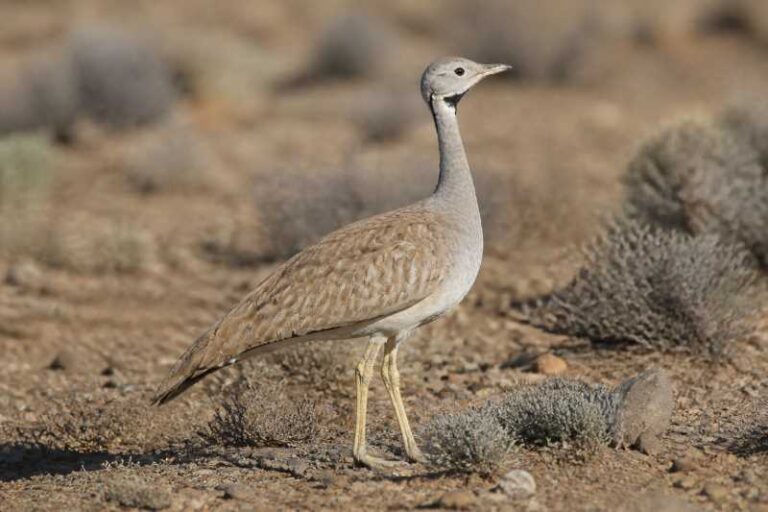
The Surfbird: A Coastal Marvel of the Avian World
The Surfbird (Calidris virgata) is an intriguing and resilient shorebird known for its unique coastal habitat preferences and remarkable migratory patterns. This robust bird is a member of the Scolopacidae family and shares its lineage with sandpipers and other shorebirds. With its distinctive appearance and fascinating behaviors, the Surfbird has captivated ornithologists and birdwatchers alike, making it an exciting subject of study and observation.
Physical Characteristics and Identification
The Surfbird is a medium-sized shorebird, measuring approximately 24 to 26 centimeters in length with a wingspan of about 43 to 46 centimeters. It is easily recognizable by its stocky build and short, thick bill, which is well-adapted for foraging in rocky coastal environments. During the breeding season, the Surfbird sports a mottled grey and brown plumage with striking black spots on its breast and a white belly. In non-breeding months, its plumage becomes more subdued, with a primarily grey appearance.
One of the most distinguishing features of the Surfbird is its striking white wingbar, visible in flight, and its bright orange legs, which stand out against the rocky backgrounds of its typical habitat. These characteristics make the Surfbird a memorable sight for both novice and experienced birdwatchers.
Habitat and Distribution
The Surfbird is predominantly found along the Pacific Coast of North and South America. Its breeding range extends from southern Alaska to northwestern Canada, where it favors remote alpine and subalpine tundra regions. After breeding, the Surfbird embarks on a long migration to its wintering grounds, which stretch along the Pacific coastline from California to as far south as the southern tip of South America.
What sets the Surfbird apart from many other shorebirds is its preference for rocky coastal habitats during the non-breeding season. It thrives in environments where the surf crashes against rugged shorelines, often foraging in the intertidal zones. This choice of habitat provides the Surfbird with abundant food resources, including crustaceans, mollusks, and marine invertebrates, which it skillfully extracts from crevices and under rocks.
Behavior and Adaptations
The Surfbird is a highly social species, often seen in small flocks, especially during migration and on wintering grounds. Its foraging behavior is a testament to its adaptability and resilience in challenging environments. Surfbirds use their stout bills to probe into rocky crevices and turn over stones to access hidden prey. Their strong legs and feet allow them to maintain balance on slippery surfaces buffeted by waves.
Surfbirds are also known for their impressive migratory journeys. After breeding in remote northern regions, they undertake long-distance flights to reach their wintering sites. This migration highlights their remarkable endurance and navigational abilities, as they traverse vast distances over oceanic expanses and along rugged coastlines.
Conservation Status and Challenges
Currently, the Surfbird is classified as a species of Least Concern by the International Union for Conservation of Nature (IUCN). However, like many shorebirds, it faces several conservation challenges. Habitat loss due to coastal development, pollution, and climate change poses significant threats to its preferred habitats. Rising sea levels and increased storm frequency can alter the intertidal zones on which Surfbirds rely for food.
Conservation efforts for the Surfbird focus on protecting crucial breeding and wintering habitats. Monitoring populations, studying migratory patterns, and advocating for the preservation of coastal environments are essential steps in ensuring the long-term survival of this remarkable bird.
Conclusion
The Surfbird stands as a symbol of coastal resilience and adaptability, thriving in environments where few others can. Its striking appearance, fascinating behaviors, and significant migratory journeys make it a cherished subject of study and observation. As efforts to conserve coastal ecosystems continue, the Surfbird remains a testament to the beauty and diversity of avian life along our shores.
Related posts