Introduction
The Thailand Roundleaf Bat, scientifically known as Hipposideros halophyllus, is a fascinating species of bat that belongs to the family Hipposideridae. These bats are a critical component of Thailand’s rich biodiversity and play a significant role in the ecosystem as insect controllers. Despite their importance, they are often overlooked and their ecological roles underestimated. This article delves deep into the various aspects of the Thailand Roundleaf Bat, providing comprehensive insights into its physical characteristics, habitat preferences, behaviors, and conservation status.
Physical Description
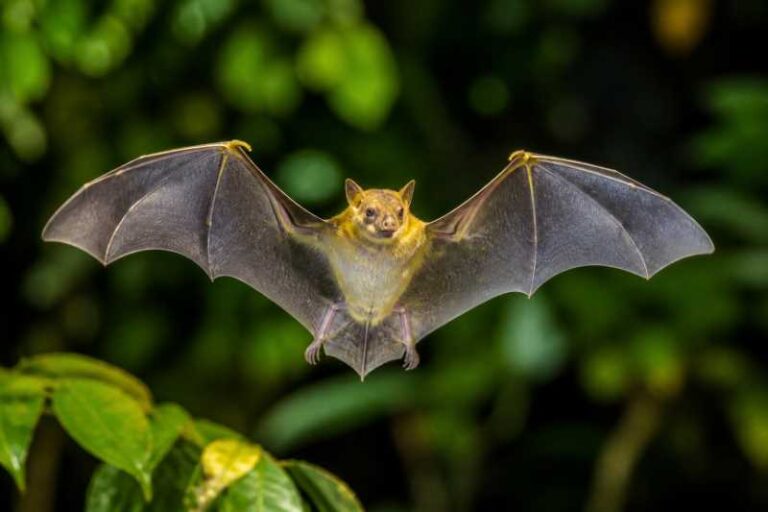
The Thailand Roundleaf Bat is a small to medium-sized bat species with distinct physical characteristics that make it unique. The most notable feature is its round leaf-shaped nose, which is a common trait among members of the Hipposideridae family. This leaf-like structure aids in echolocation, allowing the bat to efficiently navigate and hunt in the dark.
Typically, these bats exhibit a fur coloration that ranges from grayish-brown to a more subdued brown, providing excellent camouflage against tree bark and cave interiors. Their wings are broad and slightly rounded, facilitating agile flight in dense forests and confined spaces. On average, the forearm length of the Thailand Roundleaf Bat ranges from 40 to 50 mm, and they weigh between 5 to 10 grams, making them relatively small compared to other bat species.
Range and Habitat
The Thailand Roundleaf Bat is endemic to Thailand, predominantly found in the southern and central regions of the country. They thrive in a variety of habitats, including deciduous and evergreen forests, limestone caves, and sometimes, abandoned buildings. These bats are highly adaptable, often seen roosting in small colonies within caves that provide a stable microclimate and protection from predators.
Their preference for limestone caves is particularly noteworthy. These caves offer not only shelter but also a rich insect population, which is crucial for their diet. The bats are also known to inhabit areas near water bodies, such as rivers and lakes, where insect availability is high.
Behavior and Diet
Thailand Roundleaf Bats are nocturnal creatures, primarily active during the night. They exhibit a highly social behavior, often roosting in colonies that can range from a few dozen to several hundred individuals. This social structure offers protection and enhances foraging efficiency.
Their diet mainly consists of insects, making them crucial for pest control in their native habitats. They utilize echolocation to detect and capture prey, emitting high-frequency sounds that bounce off objects and return as echoes. This sophisticated biosonar capability enables them to hunt efficiently, even in complete darkness.
Identification Tips (Field Recognition Cues)
Identifying the Thailand Roundleaf Bat in the field requires attention to several key features:
- Nose-Leaf Structure: Look for the characteristic roundleaf nose structure, which is prominent and distinctive.
- Fur Color: Observe the fur color, which is typically grayish-brown to brown.
- Wing Shape: Check for broad, slightly rounded wings.
- Roosting Habits: These bats are often found in limestone caves or similar sheltered environments.
Field identification may also rely on acoustic detection using bat detectors, which can pick up their echolocation calls.
Conservation Status (with Threats and Protections)
The International Union for Conservation of Nature (IUCN) currently lists the Thailand Roundleaf Bat as Near Threatened. The primary threats to their population include habitat destruction due to deforestation, cave disturbance from tourism and mining, and pesticide use that reduces insect prey availability.
Conservation efforts are in place to mitigate these threats, including the establishment of protected areas and regulations to control cave tourism. Additionally, awareness campaigns are crucial in educating local communities about the ecological importance of these bats.
Frequently Asked Questions
What do Thailand Roundleaf Bats eat?
Thailand Roundleaf Bats primarily feed on insects, utilizing echolocation to hunt at night. Their diet includes moths, beetles, and other small flying insects, making them vital for pest control.
How do Thailand Roundleaf Bats navigate in the dark?
These bats use echolocation to navigate and hunt in the dark. They emit ultrasonic sounds that bounce off objects and return as echoes, allowing them to create a mental map of their surroundings.
Where can I find Thailand Roundleaf Bats in their natural habitat?
Thailand Roundleaf Bats are commonly found in limestone caves in the southern and central regions of Thailand. They may also inhabit deciduous and evergreen forests near water bodies.
What threats do Thailand Roundleaf Bats face?
Major threats include habitat destruction, disturbance of roosting sites, and reduced prey availability due to pesticide use. Conservation efforts focus on habitat protection and sustainable tourism practices.
How can we help in the conservation of Thailand Roundleaf Bats?
Supporting conservation organizations, advocating for protected areas, and raising awareness about the ecological roles of bats can significantly contribute to their conservation.
Related posts