The Pohnpei Kingfisher: A Jewel of the Pacific
Nestled within the lush landscapes of Micronesia lies the island of Pohnpei, a verdant paradise renowned for its rich biodiversity. Among its most captivating inhabitants is the Pohnpei Kingfisher (Todiramphus reichenbachii), a vibrant bird species endemic to this remote island. With its striking plumage and unique ecological role, the Pohnpei Kingfisher stands as a symbol of the delicate balance of island ecosystems and the urgent need for conservation efforts.
A Glimpse into the World of the Pohnpei Kingfisher
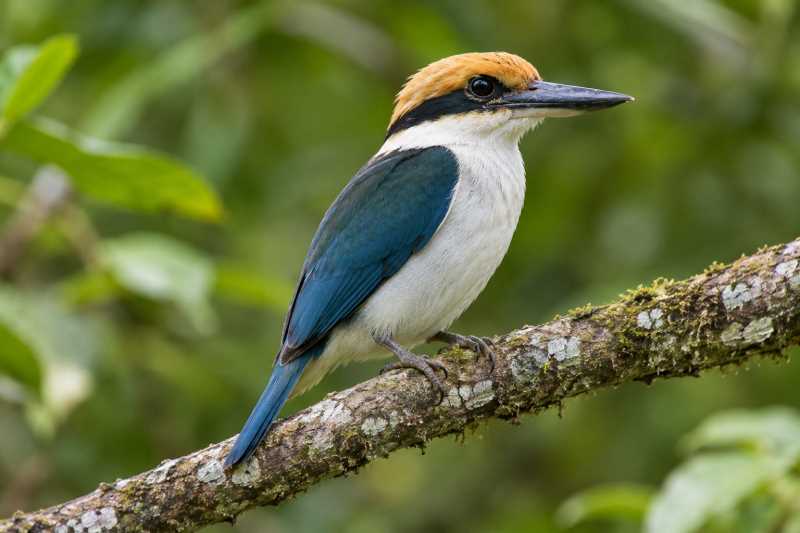
The Pohnpei Kingfisher is a member of the Alcedinidae family, a group of birds distinguished by their large heads, long bills, and short tails. This particular kingfisher is a medium-sized bird, measuring approximately 23 cm in length. Its plumage is a stunning combination of iridescent greens and blues, with a white collar and a distinctive black eye stripe that enhances its striking appearance.
Primarily residing in the lowland forests and mangroves of Pohnpei, this kingfisher is a skilled hunter, preying on insects, small reptiles, and crustaceans. Its hunting technique involves perching quietly and observing its surroundings before swiftly diving to capture its prey with precision.
Ecological Significance and Behavior
The Pohnpei Kingfisher plays a vital role in the ecosystem of Pohnpei. As both predator and prey, it contributes to the ecological equilibrium of the island. By controlling insect populations, it indirectly supports the health of the forest vegetation, which in turn provides habitat and food for other species. Additionally, the bird’s nesting habits in tree cavities help in seed dispersal and contribute to forest regeneration.
These kingfishers are known for their monogamous nature. During the breeding season, which typically occurs from October to April, pairs engage in elaborate courtship displays. They are cavity nesters, often using natural tree cavities or those excavated by other birds. Both parents share the responsibility of incubating the eggs and feeding the chicks, showcasing a remarkable partnership in parenting.
Conservation Status and Threats
Despite its ecological importance, the Pohnpei Kingfisher faces numerous threats that have led to its classification as "Endangered" by the International Union for Conservation of Nature (IUCN). The primary threat to its survival is habitat loss due to deforestation for agriculture, logging, and infrastructure development. The encroachment of human activities into its natural habitat has significantly reduced the available nesting sites and foraging areas.
Invasive species, such as rats and feral cats, pose additional risks by preying on eggs and young birds. Climate change further exacerbates these threats, as alterations in weather patterns impact the availability of food and suitable nesting conditions.
Conservation Efforts and Future Outlook
Efforts to conserve the Pohnpei Kingfisher are essential to prevent its extinction and preserve the island’s ecological integrity. Conservation organizations, in collaboration with local communities and governments, are working to implement strategies that address the key threats to the species.
Habitat restoration projects are crucial in these efforts, focusing on reforestation and the protection of existing forest areas. Establishing protected zones and enforcing regulations against illegal logging and land conversion are critical components of these initiatives.
Public awareness campaigns and environmental education programs are also vital in fostering a sense of stewardship among the local population. By involving communities in conservation activities, such as monitoring bird populations and protecting nesting sites, there is a greater chance of success in safeguarding this iconic species.
Moreover, scientific research plays a pivotal role in understanding the ecology and behavior of the Pohnpei Kingfisher. Studies on its population dynamics, breeding habits, and response to environmental changes provide valuable insights that inform conservation strategies.
Conclusion
The Pohnpei Kingfisher is more than just a bird; it is a testament to the unique biodiversity of Pohnpei and the incredible intricacies of island ecosystems. Its survival is intrinsically linked to the health of the environment it inhabits, making its conservation a priority for preserving the natural heritage of Micronesia.
As efforts continue to protect and restore the habitats of the Pohnpei Kingfisher, there is hope that future generations will be able to witness the vibrant flash of its plumage amid the emerald canopy of Pohnpei’s forests. Through collaborative conservation efforts, this jewel of the Pacific may continue to thrive and inspire awe in all who encounter it.
Related posts