The Guam Kingfisher: A Jewel of Conservation Efforts
The Guam Kingfisher (Todiramphus cinnamominus) is a striking bird species that has captured the attention of conservationists and ornithologists worldwide. Once a common sight in its native habitat on the island of Guam, this vibrant bird now relies on human intervention for its survival. The story of the Guam Kingfisher is one of both decline and hope, highlighting the critical importance of conservation efforts in the face of environmental challenges.
A Glimpse into the Past
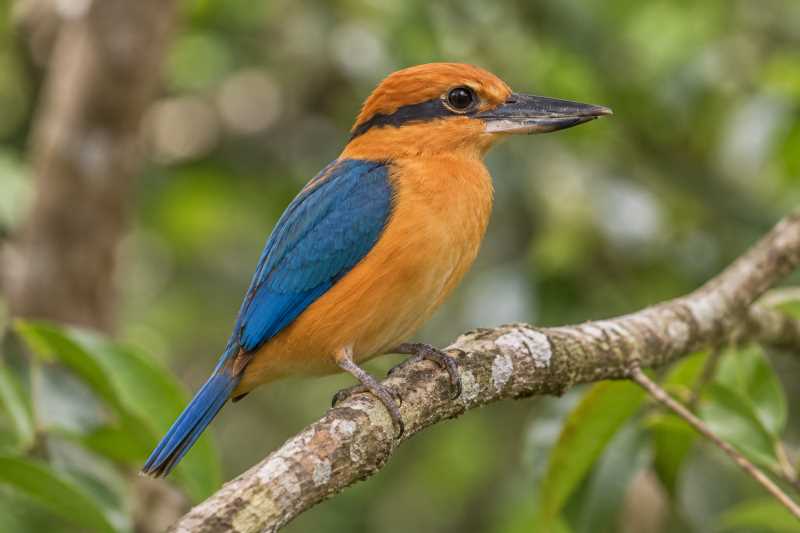
The Guam Kingfisher is a small, brightly colored bird, known for its vivid blue and rusty plumage and distinctive call. Historically, it thrived in the dense forests of Guam, relying on the island’s diverse ecosystem for food and shelter. This species is part of the Alcedinidae family, which encompasses kingfishers known for their hunting prowess and striking appearances.
Unfortunately, the introduction of the brown tree snake (Boiga irregularis) to Guam following World War II had devastating effects on the island’s native bird populations. The snake, with no natural predators on the island and a voracious appetite for bird eggs and chicks, decimated bird species, including the Guam Kingfisher. By the late 20th century, the situation had become dire, with the kingfisher’s population plummeting to critically low numbers.
The Road to Recovery
Recognizing the urgent need to save this unique species, conservationists embarked on a mission to prevent the Guam Kingfisher from going extinct. In 1988, the remaining wild birds were captured and placed into a captive breeding program. This program, managed by several zoos and conservation organizations, aimed to increase the kingfisher population and eventually reintroduce them to their natural habitat.
Captive breeding proved to be a challenging yet rewarding endeavor. The birds required specific conditions to breed successfully, including carefully controlled environments that mimicked their natural habitat. Despite these challenges, the program has seen success, with a small but stable population now residing in various institutions across the United States.
Habitat Restoration and Reintroduction Efforts
While captive breeding is a crucial component of the Guam Kingfisher’s conservation strategy, restoring their natural habitat is equally important. Efforts are underway to control the brown tree snake population on Guam, employing innovative methods such as snake traps and baiting techniques to reduce their numbers.
In addition to snake management, conservationists are focusing on habitat restoration. This involves replanting native vegetation and protecting existing forests to create a sustainable environment for the reintroduction of the kingfishers. These efforts are supported by local and international organizations, highlighting the collaborative nature of conservation work.
A Symbol of Hope
The plight of the Guam Kingfisher serves as a poignant reminder of the impact of human activities on biodiversity. However, it also stands as a testament to the power of conservation efforts and the resilience of nature. The ongoing work to save this species showcases the dedication and passion of countless individuals committed to preserving the planet’s natural heritage.
Looking ahead, the goal is to reintroduce the Guam Kingfisher to the wild, a milestone that would symbolize the success of conservation efforts. While challenges remain, including ongoing snake control and habitat restoration, the future of the Guam Kingfisher appears brighter than it has in decades.
Conclusion
The Guam Kingfisher is more than just a bird; it is a symbol of the delicate balance within ecosystems and the responsibility humans have to protect them. Through continued collaboration, research, and dedication, there is hope that this vibrant species will once again grace the forests of Guam, serving as a beacon of successful conservation for generations to come.
In conclusion, the story of the Guam Kingfisher is one of both caution and optimism. It emphasizes the importance of proactive conservation measures and the potential for recovery when humanity intervenes thoughtfully and strategically. As efforts continue, the Guam Kingfisher remains a shining example of the power of determination in the face of environmental adversity.
Related posts