Introduction
Bailey’s Brown-toothed Shrew, scientifically known as Episoriculus baileyi, is a small mammal species belonging to the Soricidae family. This shrew, like many others, plays a vital role in its ecosystem by controlling insect populations and serving as prey for larger predators. Although it is not one of the most well-known shrew species, its unique characteristics and adaptations make it an intriguing subject for both researchers and wildlife enthusiasts.
Physical Description
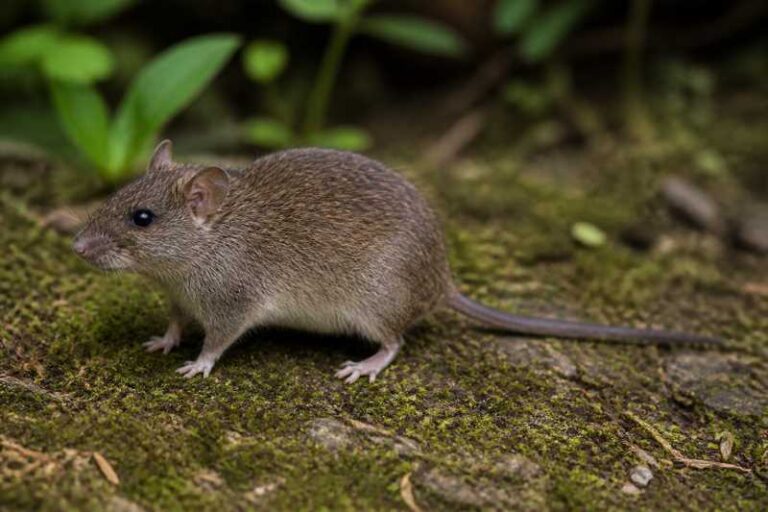
Bailey’s Brown-toothed Shrew is a diminutive creature, typically measuring between 5 to 7 centimeters in body length, with an additional 3 to 5 centimeters accounting for its tail. It weighs between 5 to 10 grams. As its name suggests, the shrew has distinctive brownish teeth, which is one of its most notable features. Its fur is dense and velvety, ranging from dark brown to grayish-brown on the dorsal side, while its ventral side is usually lighter, often a pale gray.
This shrew possesses a long, pointed snout, which is characteristic of the family Soricidae. Its small, beady eyes and rounded ears are adapted for its subterranean and nocturnal lifestyle. The limbs are short but strong, enabling the shrew to dig efficiently and navigate through its habitat with ease.
Range and Habitat
Bailey’s Brown-toothed Shrew is primarily found in the eastern Himalayan region, inhabiting countries like Bhutan, northeastern India, Myanmar, and southwestern China. The species thrives in montane and subalpine forests, often at elevations ranging from 1,500 to 3,500 meters. These shrews prefer moist environments, often found in areas with dense undergrowth and a thick layer of leaf litter.
The habitat preference of Episoriculus baileyi is closely tied to the availability of food sources and suitable nesting sites. The shrews often seek out areas with abundant insect populations and soft soil, which aids in their burrowing activities.
Behavior and Diet
Bailey’s Brown-toothed Shrew is primarily nocturnal, spending most of its active hours at night when it hunts for food. Its diet mainly consists of insects, earthworms, and other small invertebrates. The shrew’s sharp, pointed teeth are well-suited for capturing and consuming its prey. Additionally, it has a high metabolism and requires frequent feeding to maintain its energy levels.
These shrews are solitary creatures, with each individual maintaining a territory that is marked with scent glands. They communicate with each other through a series of high-pitched squeaks and are known to be highly aggressive towards intruders, especially during the breeding season.
Identification Tips
Identifying Bailey’s Brown-toothed Shrew in the field can be challenging due to its small size and elusive nature. However, there are several key characteristics to look for:
- Fur Color: Look for the distinct dark brown to grayish-brown fur on the dorsal side and a lighter ventral side.
- Teeth Color: The brownish hue of the teeth is a unique identifying feature.
- Size: Note the small size, typically between 5 to 7 centimeters in body length.
- Tail: Observe the proportionately long tail, which is 3 to 5 centimeters in length.
- Habitat: Spotting these shrews is more likely in montane and subalpine forests with dense undergrowth.
Conservation Status
The conservation status of Bailey’s Brown-toothed Shrew is currently not well-documented, largely due to its elusive nature and the challenging terrain of its habitat. However, habitat destruction and fragmentation pose significant threats to its population. Deforestation, agricultural expansion, and urban development are encroaching on the shrew’s natural habitat, leading to potential decreases in population size.
Conservation efforts are essential for preserving the habitats where these shrews reside. Protected areas within its range, such as national parks and wildlife reserves, offer some level of protection. Further research is needed to accurately assess the population trends and implement effective conservation strategies.
Frequently Asked Questions
What is the primary diet of Bailey’s Brown-toothed Shrew?
Bailey’s Brown-toothed Shrew primarily feeds on insects, earthworms, and other small invertebrates. Its diet is crucial for maintaining its high metabolism.
Where can Bailey’s Brown-toothed Shrew be found?
This shrew is found in the eastern Himalayan region, including Bhutan, northeastern India, Myanmar, and southwestern China, predominantly in montane and subalpine forests.
How can you identify Bailey’s Brown-toothed Shrew?
Identifying this shrew involves looking for its unique brown-toothed feature, small size, distinct fur color, and long tail. Spotting it is more likely in its preferred habitats.
What threats does Bailey’s Brown-toothed Shrew face?
Habitat destruction due to deforestation, agricultural expansion, and urban development are the main threats facing Bailey’s Brown-toothed Shrew.
Is Bailey’s Brown-toothed Shrew a protected species?
While specific protections for Bailey’s Brown-toothed Shrew are not well-documented, its presence in protected areas like national parks offers some level of conservation.
Related posts