Inambari Woodcreeper: An Enigmatic Avian of the Amazon
The Inambari Woodcreeper (Lepidocolaptes fatimalimae) is a fascinating bird species that inhabits the lush and biodiverse Amazon rainforest. Nestled within this richly complex ecosystem, the Inambari Woodcreeper is a testament to the diversity of life forms that thrive in these tropical realms. This article delves into the unique characteristics, habitat, behavior, and conservation status of this remarkable avian species.
Taxonomy and Description
The Inambari Woodcreeper belongs to the family Furnariidae, a diverse group of birds known for their specialized adaptations to different ecological niches. The genus Lepidocolaptes comprises several woodcreeper species, each exhibiting subtle variations in plumage and morphology. The Inambari Woodcreeper was first described in 2007, and its specific name, *fatimalimae*, honors the Brazilian ornithologist Fátima Lima, who has made significant contributions to avian research in the Amazon.
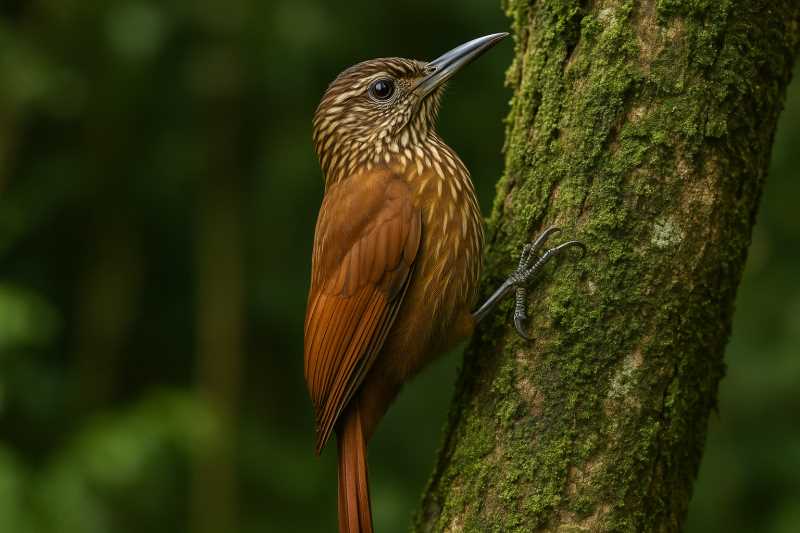
Characterized by its slender body and slightly curved bill, the Inambari Woodcreeper is a medium-sized bird, measuring about 18 to 20 centimeters in length. Its plumage is predominantly brown, with intricate patterns of lighter streaks and spots that provide excellent camouflage against the bark of trees. The bird’s tail is relatively long and stiff, aiding in its climbing abilities as it forages along tree trunks and branches.
Habitat and Distribution
The Inambari Woodcreeper is primarily found in the western Amazon basin, with its range extending across parts of Brazil, Peru, and Bolivia. It favors lowland tropical rainforests, thriving in areas characterized by dense vegetation and a high diversity of tree species. These forests provide an abundance of food sources and suitable nesting sites, making them an ideal habitat for the woodcreeper.
The species is closely associated with mature forests, where it can be found foraging at various heights, from the understory to the canopy. Its presence is often an indicator of forest health, as the species is sensitive to habitat degradation and deforestation.
Behavior and Ecology
The Inambari Woodcreeper is an adept climber, using its strong legs and tail to navigate the vertical surfaces of trees with ease. It primarily feeds on insects and other small invertebrates, gleaning them from the bark and crevices of trees. This foraging behavior plays a crucial role in controlling insect populations and maintaining ecological balance within its habitat.
Woodcreepers are known for their distinctive calls, which are essential for communication and territory establishment. The Inambari Woodcreeper produces a series of melodious whistles and trills, which resonate through the forest and help individuals maintain contact with their mates and demarcate their territory.
Breeding occurs during the wet season, when food resources are abundant. The species nests in tree cavities or abandoned woodpecker holes, where it lays a clutch of two to three eggs. Both parents are involved in incubating the eggs and feeding the chicks, showcasing a cooperative breeding strategy that enhances the survival of their offspring.
Conservation Status and Threats
Despite its relatively recent discovery, the Inambari Woodcreeper faces several conservation challenges. Habitat loss due to deforestation, agricultural expansion, and infrastructure development poses significant threats to its survival. The Amazon rainforest, often referred to as the “lungs of the Earth,” is undergoing rapid environmental changes, and the fragmentation of its ecosystems can severely impact species like the Inambari Woodcreeper.
Conservation efforts are crucial to safeguard the future of this species. Protecting large tracts of continuous forest and promoting sustainable land-use practices are vital strategies to mitigate habitat loss. Additionally, raising awareness about the ecological importance of the Inambari Woodcreeper and its role in forest ecosystems can foster community involvement in conservation initiatives.
Conclusion
The Inambari Woodcreeper stands as a symbol of the rich biodiversity that the Amazon rainforest harbors. Its presence in these ecosystems underscores the intricate interdependencies within tropical forests and highlights the need for concerted conservation efforts. As we continue to explore and understand the wonders of the natural world, the Inambari Woodcreeper reminds us of the importance of preserving our planet’s most vital habitats.
Through research, conservation, and sustainable practices, we can ensure that future generations will have the opportunity to appreciate the beauty and ecological significance of species like the Inambari Woodcreeper. Protecting this enigmatic bird is not only a step towards preserving biodiversity but also a commitment to maintaining the health and resilience of our planet’s ecosystems.
Related posts