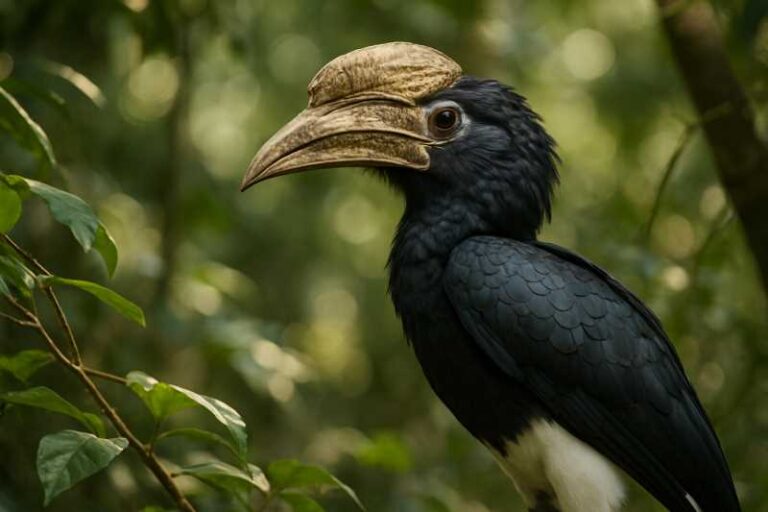
The Enigmatic Romblon Boobook: A Jewel of Philippine Avifauna
In the heart of the Philippine archipelago lies the province of Romblon, an area of lush biodiversity and stunning natural landscapes. Among its diverse wildlife, the Romblon Boobook (Ninox spilonotus), a small yet captivating species of owl, stands out as a symbol of the region’s rich avian diversity. This article delves into the fascinating world of the Romblon Boobook, shedding light on its characteristics, habitat, and conservation status.
Characteristics
The Romblon Boobook, also known as the Spotted Wood-Owl, is a medium-sized owl noted for its striking plumage and distinctive calls. Measuring approximately 25-30 cm in length, this bird exhibits a rich, chocolate-brown coloration adorned with white spots, giving it a speckled appearance. Its large, round head is characterized by prominent “ear” tufts and bright yellow eyes, which are a distinguishing feature among owls.
The species’ vocalization is equally distinct, consisting of a series of hoots that serve as a communication tool between mates and territorial markers. These calls are often heard at dusk and dawn, when the Romblon Boobook is most active, as it is primarily nocturnal.
Habitat and Distribution
The Romblon Boobook is endemic to the islands of Romblon and Tablas in the Philippines, where it inhabits primary and secondary forests. These owls prefer dense, humid environments where they can hunt for insects, small mammals, and other birds, which constitute their diet.
Romblon’s forests are characterized by a mix of lowland and montane forest types, providing a rich tapestry of ecological niches. The presence of the Romblon Boobook in these forests underscores the importance of these habitats not only for endemic species but also for global biodiversity.
Conservation Status
Currently, the Romblon Boobook is classified as “Near Threatened” by the International Union for Conservation of Nature (IUCN). This status highlights the growing concerns over habitat loss due to deforestation, agriculture, and urban development in the region. Despite this, the species has shown a degree of adaptability to secondary forests, which offers a glimmer of hope for its survival.
Efforts to conserve the Romblon Boobook and its habitat are critical. Local conservation groups, in collaboration with international organizations, are working to protect the remaining forest areas in Romblon. Initiatives include reforestation projects, community education programs, and the establishment of protected areas to safeguard the unique biodiversity of the region.
The Role of the Romblon Boobook in the Ecosystem
As a predator, the Romblon Boobook plays a vital role in maintaining the balance of its ecosystem. By controlling the populations of insects and small mammals, it helps prevent overpopulation and the potential spread of diseases. This ecological role highlights the interconnectedness of species within these forest systems and the importance of each species in maintaining ecological stability.
Challenges and Future Directions
Despite its adaptability, the Romblon Boobook faces significant challenges. The continued loss of habitat due to illegal logging and land conversion poses a major threat. Additionally, climate change impacts, such as increased frequency and intensity of typhoons, can further disrupt its habitat.
Conservationists emphasize the need for comprehensive strategies that include sustainable land management practices and stronger enforcement of environmental laws. Moreover, fostering community involvement is vital, as local populations are often the first line of defense in conservation efforts.
Conclusion
The Romblon Boobook is more than just a bird; it is a symbol of the rich biodiversity found in the Philippine archipelago. Its presence in Romblon’s forests is a testament to the ecological wealth of the region and a reminder of the need to protect these environments for future generations. By understanding and addressing the challenges faced by this species, we can help ensure that the Romblon Boobook continues to be a part of the Philippines’ natural heritage.
In summary, the conservation of the Romblon Boobook requires a multifaceted approach involving habitat protection, community engagement, and global awareness. As efforts continue, there is hope that this enchanting owl will thrive in the forest canopies of Romblon for years to come.
Related posts