Large Sloth Lemur (Palaeopropithecus ingens)
Introduction
The Large Sloth Lemur, scientifically known as Palaeopropithecus ingens, is a fascinating extinct species that once roamed the forests of Madagascar. Known for its unique adaptations and intriguing evolutionary history, this lemur provides insights into the diversity and evolutionary processes that have shaped the primate lineage on the island. Although it no longer exists, its legacy continues to captivate scientists, conservationists, and enthusiasts alike.
Physical Description
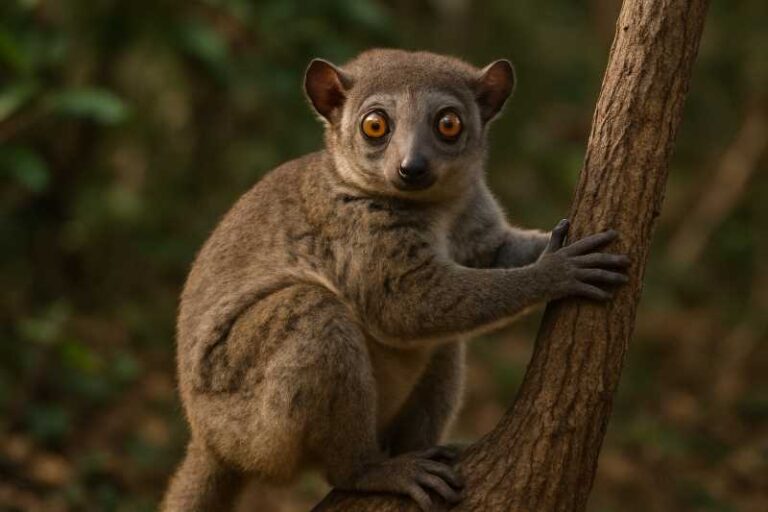
The Large Sloth Lemur was an impressive creature, distinguished by its robust build and unique morphological characteristics. It was one of the largest lemurs, with an estimated weight ranging from 40 to 50 kilograms (88 to 110 pounds). Its body length was around 1.5 meters (4.9 feet), including its long, prehensile tail. The skeletal structure of Palaeopropithecus ingens suggests that it had elongated forelimbs and a reduced snout, indicative of its adaptations to a sloth-like arboreal lifestyle.
Its limbs were adapted for hanging and climbing, with strong, curved fingers and toes that facilitated a powerful grip on tree branches. The lemur’s dental structure featured large, grinding molars, suited for its folivorous diet, which primarily consisted of leaves. Its overall appearance was akin to that of modern-day sloths, hence the name "Sloth Lemur."
Range and Habitat
The Large Sloth Lemur was endemic to Madagascar, an island renowned for its unique biodiversity. Fossil evidence suggests that Palaeopropithecus ingens inhabited the island’s forests, from dry deciduous forests in the west to the lush, humid rainforests in the east. These lemurs likely occupied a range of altitudes, from sea level to highland areas, adapting to various microhabitats within their range.
The diverse forest ecosystems of Madagascar provided a rich array of plants that supported the dietary needs of these lemurs. The dense canopy offered ample opportunities for arboreal navigation and foraging, essential for their sloth-like mode of movement and feeding habits.
Behavior and Diet
Palaeopropithecus ingens exhibited behavior and dietary preferences that were closely tied to its arboreal lifestyle. It was predominantly folivorous, feeding mainly on leaves, although it likely supplemented its diet with fruits and seeds when available. This dietary specialization was supported by its robust teeth, which were capable of processing tough plant materials.
The lemur’s locomotion was characterized by suspensory behaviors, similar to modern-day sloths. It moved slowly and deliberately through the trees, using its strong limbs to hang and climb. This mode of locomotion allowed it to efficiently exploit the forest canopy, accessing food resources that were out of reach for many other forest dwellers.
Socially, Palaeopropithecus ingens may have lived in small groups, similar to some extant lemur species. However, due to the lack of direct observational data, much of its social structure remains speculative, inferred from its closest living relatives and ecological context.
Identification Tips (Field Recognition Cues)
Identifying Palaeopropithecus ingens in the field is a task reserved for paleontologists, given that the species is extinct. However, understanding its distinctive features can aid in recognizing fossil remains or distinguishing it from related species:
- Size and Robustness: Look for large, robust skeletal remains. The size and sturdiness of the bones are key indicators.
- Limb Structure: Elongated forelimbs and strong, curved fingers are characteristic of this species.
- Dental Features: Large molars with flat grinding surfaces are a distinguishing feature of its folivorous diet.
- Proportions: The combination of a long tail with strong, limb-dominated skeletal features is indicative of its arboreal adaptations.
Conservation Status (with Threats and Protections)
The Large Sloth Lemur is an extinct species, believed to have vanished approximately 500 years ago. The primary factors contributing to its extinction are thought to be habitat destruction and hunting by humans. As Madagascar’s forests were cleared for agriculture and settlements, the lemur’s habitat diminished, making it increasingly vulnerable.
Human activities, including hunting for food, further exacerbated the decline of Palaeopropithecus ingens. The loss of such a unique species underscores the importance of conserving Madagascar’s remaining biodiversity. Today, conservation efforts on the island focus on protecting the habitats of extant lemur species, many of which face threats similar to those that led to the extinction of the Large Sloth Lemur.
Frequently Asked Questions
What did the Large Sloth Lemur eat?
The Large Sloth Lemur primarily consumed leaves, supplemented by fruits and seeds. Its dental adaptations, including large grinding molars, were suited for processing a folivorous diet.
How did the Large Sloth Lemur move?
Palaeopropithecus ingens exhibited suspensory locomotion, similar to modern sloths. It moved slowly through the trees using its elongated limbs, hanging and climbing to navigate the forest canopy.
Why did the Large Sloth Lemur go extinct?
The extinction of the Large Sloth Lemur is attributed to habitat destruction and hunting by humans. The loss of forested areas and direct hunting pressure led to its decline approximately 500 years ago.
Are there any living relatives of the Large Sloth Lemur?
While the Large Sloth Lemur itself is extinct, its closest living relatives are other lemur species native to Madagascar. These extant lemurs share evolutionary lineage traits with their ancient counterparts.
What role did the Large Sloth Lemur play in its ecosystem?
As a folivore, the Large Sloth Lemur played a crucial role in maintaining forest health by aiding in seed dispersal and foliage management. Its extinction likely impacted the ecological balance within its habitat.
Related posts