Introduction
The Mountain Water Rat, scientifically known as Baiyankamys habbema, is a fascinating mammal species that has piqued the interest of researchers and wildlife enthusiasts alike. Native to the high-altitude regions of New Guinea, this elusive rodent is a member of the Muridae family, which includes a variety of old-world rats and mice. Despite its remote habitat, the Mountain Water Rat has become a subject of study due to its unique adaptations and ecological significance. In this article, we will delve into the intriguing aspects of this species, including its physical characteristics, habitat preferences, behavioral patterns, and conservation status.
Physical Description
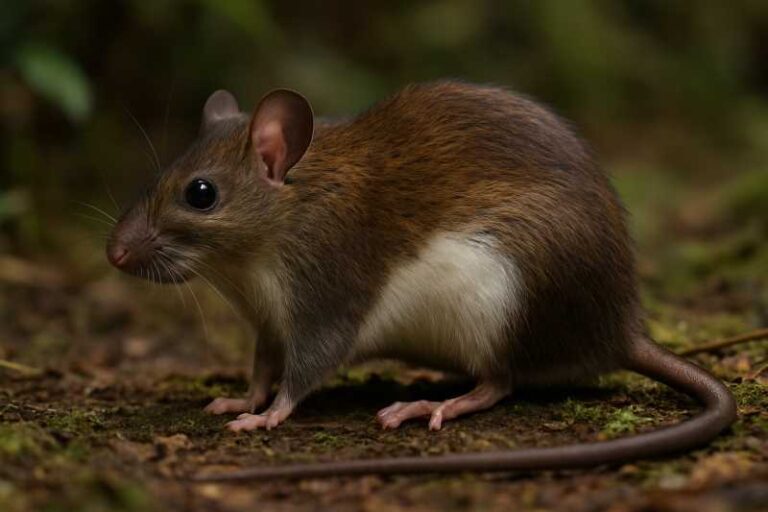
Baiyankamys habbema possesses distinct physical traits that allow it to thrive in its mountainous environment. This medium-sized rodent typically measures between 20 to 25 centimeters in body length, with a tail that is slightly shorter than its body, aiding in balance as it navigates rocky terrains and streams.
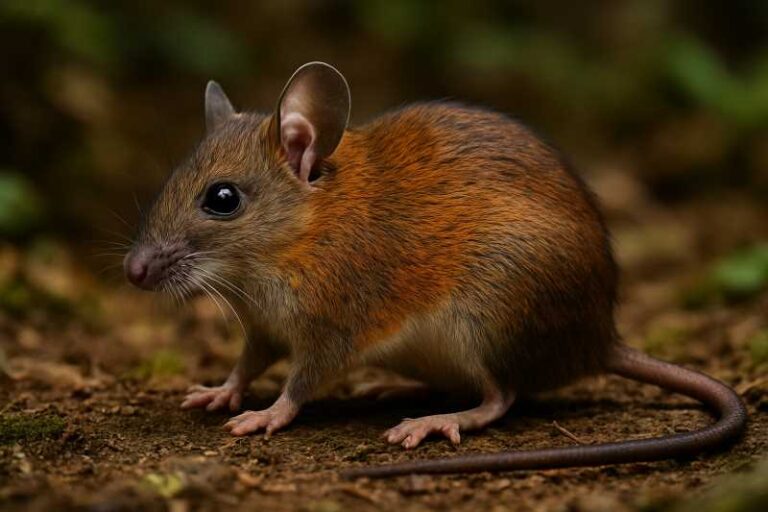
The fur of the Mountain Water Rat is dense and water-repellent, an essential adaptation for its aquatic lifestyle. The coloration ranges from a dark brown to a grayish hue on the dorsal side, while the ventral side is usually lighter, often white or pale gray. This coloration provides excellent camouflage against the rocky and forested backdrop of its habitat.
Another notable feature is its webbed hind feet, which facilitate swimming and foraging in water. The ears of the Mountain Water Rat are small and rounded, reducing heat loss in the cooler, high-altitude climate.
Range and Habitat
The Mountain Water Rat is endemic to the island of New Guinea, particularly thriving in the central mountain ranges. Its range extends across altitudes of approximately 2,000 to 4,000 meters above sea level, where it inhabits montane forests and alpine grasslands.
These regions are characterized by a cool, moist climate with abundant rainfall, creating an ideal environment for this semi-aquatic mammal. The Mountain Water Rat is frequently found near streams, rivers, and other freshwater bodies, which are essential for its survival and food supply.
Behavior and Diet
The Mountain Water Rat is primarily nocturnal, with peak activity occurring during the night. It is an adept swimmer, using its webbed feet to navigate swiftly through water while foraging for food. Its diet is omnivorous, consisting mainly of aquatic insects, small crustaceans, and plant material.
This rodent is known for its solitary nature, although it may occasionally be observed in small groups, particularly during the breeding season. The Mountain Water Rat constructs burrows along riverbanks, which provide shelter and protection from predators.
Identification Tips (Field Recognition Cues)
Identifying the Mountain Water Rat in the field can be challenging due to its elusive nature and remote habitat. However, there are several key features to look for:
- Size and Shape: Look for a medium-sized rodent with a robust body and a relatively short tail.
- Fur Color: Note the dark brown to grayish dorsal fur and lighter ventral fur.
- Webbed Feet: Observe the hind feet for webbing, a distinctive adaptation for swimming.
- Habitat: Focus on areas near freshwater bodies at high altitudes where the species is likely to be found.
Conservation Status (with Threats and Protections)
The conservation status of the Mountain Water Rat is currently listed as Least Concern by the International Union for Conservation of Nature (IUCN). However, this does not imply that the species is free from threats.
Threats:
- Habitat Destruction: Logging, agricultural expansion, and infrastructure development pose significant threats to its natural habitat.
- Climate Change: Alterations in rainfall patterns and temperatures can impact the delicate ecosystems of montane regions.
- Predation: Introduced predators, such as feral cats, may pose a risk to the Mountain Water Rat population.
Protections:
- Protected Areas: Some populations reside within national parks and protected areas, offering some level of habitat conservation.
- Research and Monitoring: Ongoing research and population monitoring efforts help inform conservation strategies and actions.
Frequently Asked Questions
What is the diet of the Mountain Water Rat?
The Mountain Water Rat is omnivorous, feeding on aquatic insects, small crustaceans, and plant material commonly found in its montane habitat.
Where can the Mountain Water Rat be found?
This species is native to New Guinea, specifically inhabiting the central mountain ranges at altitudes between 2,000 and 4,000 meters.
How does the Mountain Water Rat adapt to its environment?
Key adaptations include dense, water-repellent fur and webbed hind feet, which assist in swimming and foraging in aquatic environments.
What are the main threats to the Mountain Water Rat?
Primary threats include habitat destruction, climate change, and predation by introduced species such as feral cats.
Is the Mountain Water Rat considered endangered?
Currently, the Mountain Water Rat is listed as Least Concern by the IUCN, though it faces potential threats that require monitoring and conservation efforts.
Related posts