New Mexico Pocket Gopher (Megascapheus connectens)
Introduction
The New Mexico Pocket Gopher, scientifically known as Megascapheus connectens, is a fascinating rodent species native to the southwestern United States. This elusive creature is an integral part of the ecosystem, contributing to soil aeration and plant diversity. Despite being less visible due to its underground lifestyle, the New Mexico Pocket Gopher plays a critical role in its habitat. This article delves into the distinctive characteristics, habitat, behavior, and conservation status of this intriguing mammal.
Physical Description
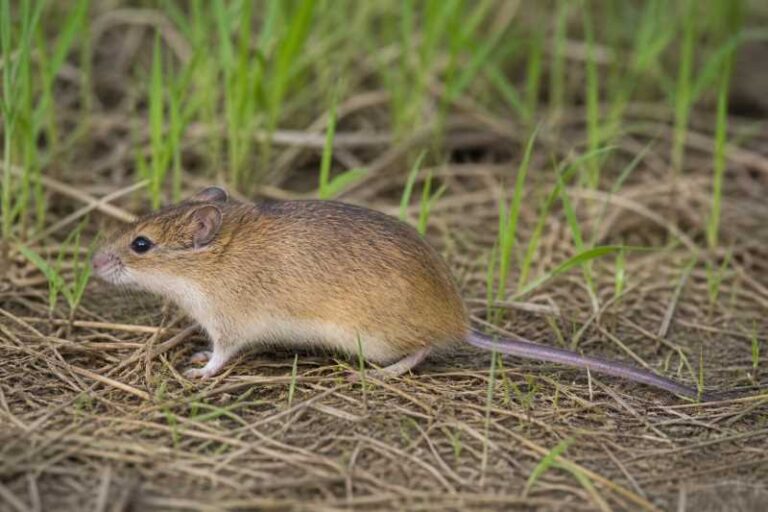
The New Mexico Pocket Gopher is a small to medium-sized rodent, typically measuring between 7 to 10 inches in length, including its tail. It has a robust, cylindrical body adapted for a subterranean lifestyle. The fur is usually brown or grayish-brown, providing excellent camouflage with the soil. Notably, this gopher possesses large, clawed forelimbs that are perfectly adapted for digging. Its small eyes and ears are typical of fossorial animals, as they spend most of their life underground. The most distinctive feature is their cheek pouches, or "pockets," which are fur-lined and capable of holding significant amounts of food.
Range and Habitat
The New Mexico Pocket Gopher is predominantly found in the southwestern United States, with its range primarily localized within New Mexico. It thrives in various habitats, including grasslands, shrublands, and agricultural fields. The species prefers loose, sandy soils that facilitate easy digging and tunnel construction. These mammals create extensive burrow systems that can be quite complex, comprising multiple tunnels and chambers for nesting and food storage.
Behavior and Diet
New Mexico Pocket Gophers are solitary, spending much of their time within their subterranean burrows. They are active year-round, primarily during the night and early morning. Their behavior is characterized by the constant digging of new tunnels to search for food. The diet of these gophers is predominantly herbivorous, consisting of roots, tubers, and bulbs. They use their cheek pouches to transport food back to their burrows for storage. This species is also known to consume above-ground vegetation when venturing outside their burrows at night.
Identification Tips (field recognition cues)
Identifying the New Mexico Pocket Gopher in the field can be challenging due to its underground lifestyle. However, several cues can aid in its recognition:
- Burrow Openings: Look for fresh soil mounds, often fan-shaped, marking the entrance to their tunnels.
- Soil Disturbance: Areas with loose, overturned soil can indicate recent gopher activity.
- Cheek Pouches: If seen above ground, their distinct cheek pouches are a key identifying feature.
- Tail Length: Their tails are relatively short compared to their body length.
- Claw Marks: The presence of small claw marks near burrow entrances can also be indicative.
Conservation Status (with threats and protections)
The conservation status of the New Mexico Pocket Gopher is currently listed as "Least Concern" by the IUCN. However, their populations are subject to threats from habitat destruction, primarily due to agricultural expansion and urban development. Pesticide use and soil compaction from heavy machinery also pose significant risks. Conservation efforts focus on habitat preservation and minimizing land-use changes that disrupt their ecological niche.
Protective measures include advocating for sustainable agricultural practices and the establishment of protected areas to safeguard their habitat.
Frequently Asked Questions
- What is the primary diet of the New Mexico Pocket Gopher?
The New Mexico Pocket Gopher primarily feeds on roots, tubers, and bulbs. They are herbivorous and use their cheek pouches to carry food back to their underground burrows for storage.
- How can I identify a New Mexico Pocket Gopher burrow?
Look for fan-shaped soil mounds and loose, overturned soil as these indicate active burrows. The entrance is usually plugged with soil, and claw marks may be visible around the area.
- Are New Mexico Pocket Gophers active during the day?
New Mexico Pocket Gophers are primarily nocturnal and crepuscular, meaning they are most active during the night and early morning. They spend the majority of their time underground.
Related posts