Large-toothed Hairy-tailed Rat (Batomys dentatus): A Comprehensive Guide
Introduction
The Large-toothed Hairy-tailed Rat, scientifically known as Batomys dentatus, is a fascinating yet lesser-known rodent species endemic to the Philippines. Known for its distinctive physical features and unique habitat preferences, this species plays a crucial role in the ecological balance of its environment. Understanding the life and conservation status of the Large-toothed Hairy-tailed Rat is essential for biodiversity preservation efforts in the regions it inhabits.
Physical Description
The Large-toothed Hairy-tailed Rat is a medium-sized rodent distinguished by its robust build and dense fur. Typically, it weighs between 150 to 250 grams, with a body length ranging from 15 to 20 centimeters, and a tail that adds another 10 to 15 centimeters. The species is named for its prominent incisors, which are larger than those found in many other rodents, facilitating its diet of hard nuts and seeds.
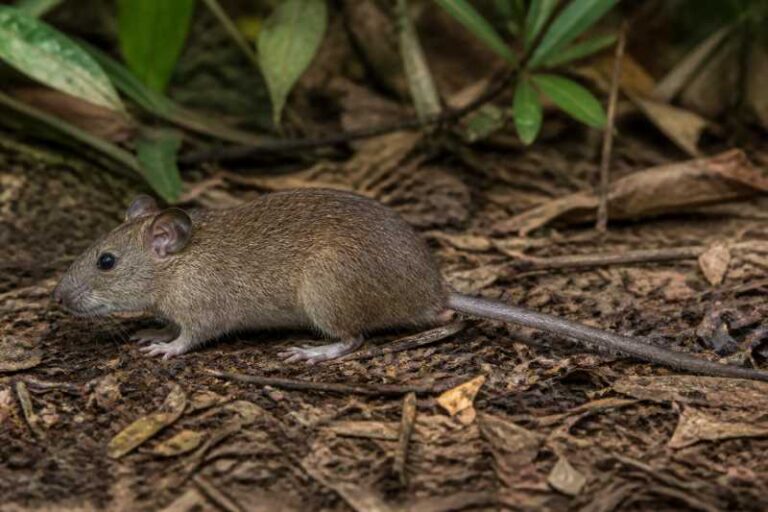
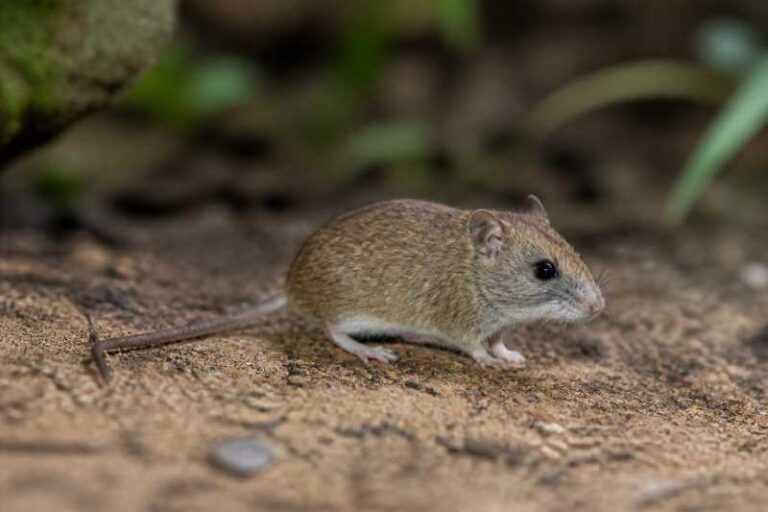
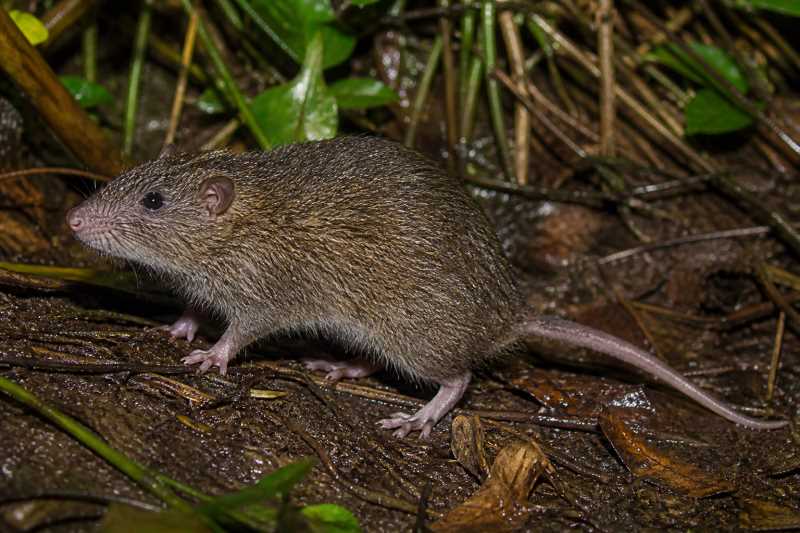
The fur of the Large-toothed Hairy-tailed Rat is a blend of brown and grey, providing effective camouflage against the forest floor and tree bark. The tail, covered in short hairs, is not only a notable characteristic but also aids in balance as the rat navigates its arboreal habitat.
Range and Habitat
Endemic to the Philippines, the Large-toothed Hairy-tailed Rat primarily inhabits the montane and mossy forests of the central and northern regions. These environments, typically found at elevations above 1,000 meters, provide the cool, moist conditions that the species prefers.
The rat’s habitat is characterized by dense tree cover and a rich understory, offering ample food sources and protection from predators. The presence of large trees is crucial, as the species is arboreal, spending much of its life in the treetops.
Behavior and Diet
The Large-toothed Hairy-tailed Rat is primarily nocturnal, with most of its activities occurring at night. This behavior helps it avoid many diurnal predators. Its diet consists mainly of seeds, nuts, and fruits, which it skillfully extracts using its powerful incisors. Occasionally, it may consume insects and small invertebrates, supplementing its diet with necessary proteins.
Socially, the Large-toothed Hairy-tailed Rat tends to be solitary, although it has been observed foraging in small groups when food is abundant. Its communication involves a series of squeaks and grunts, used to establish territory and signal alarm.
Identification Tips (Field Recognition Cues)
Identifying the Large-toothed Hairy-tailed Rat in the wild can be challenging due to its elusive nature and the dense habitats it occupies. However, several field recognition cues can assist:
- Tail Characteristics: Look for a hairy tail, which is a distinguishing feature compared to other local rodents.
- Distinctive Teeth: The prominent incisors are a key identifying feature, visible when the rat is feeding.
- Fur Color and Texture: The blend of brown and grey fur provides camouflage but can be noted when the rat is in motion against the forest backdrop.
- Sound: Listen for its distinctive squeaks and grunts, particularly at night.
Conservation Status (with Threats and Protections)
The conservation status of the Large-toothed Hairy-tailed Rat is currently listed as "Near Threatened" by the International Union for Conservation of Nature (IUCN). The primary threats to this species include habitat destruction due to logging, agricultural expansion, and urban development. These activities result in the fragmentation of its forest habitat, significantly impacting its population.
Conservation efforts are underway to protect the remaining habitats of the Large-toothed Hairy-tailed Rat. Protected areas have been established, and there are ongoing initiatives to promote sustainable land-use practices. Additionally, increasing awareness about the importance of this species in maintaining the ecological balance of its habitat is crucial for its conservation.
Frequently Asked Questions
1. What is the primary diet of the Large-toothed Hairy-tailed Rat?
The Large-toothed Hairy-tailed Rat primarily feeds on seeds, nuts, and fruits, which it efficiently breaks open with its large incisors. It may also consume insects and small invertebrates occasionally.
2. Where can the Large-toothed Hairy-tailed Rat be found?
This species is endemic to the Philippines and is typically found in the montane and mossy forests of the central and northern regions, at elevations above 1,000 meters.
3. How can I identify a Large-toothed Hairy-tailed Rat in the wild?
Identifying this rat involves looking for its hairy tail, prominent incisors, and a blend of brown and grey fur. Listening for its distinctive squeaks and grunts, especially at night, can also help in identification.
4. Why is the Large-toothed Hairy-tailed Rat considered "Near Threatened"?
The species is considered "Near Threatened" due to habitat destruction caused by logging, agriculture, and urban development, which leads to habitat fragmentation and population decline.
5. What conservation efforts are in place for the Large-toothed Hairy-tailed Rat?
Conservation efforts include establishing protected areas, promoting sustainable land-use practices, and raising awareness about the species’ ecological importance.
Related posts