Wyoming Pocket Gopher: A Comprehensive Guide
Introduction
The Wyoming Pocket Gopher (Thomomys clusius) is a small, elusive mammal endemic to the state of Wyoming in the United States. Known for its underground lifestyle and specialized adaptations, this gopher plays a significant role in its ecosystem. Despite its importance, the Wyoming Pocket Gopher remains relatively understudied, partly due to its limited range and secretive nature. This article aims to shed light on the fascinating world of the Wyoming Pocket Gopher, covering its physical characteristics, habitat preferences, behavior, and conservation status.
Physical Description
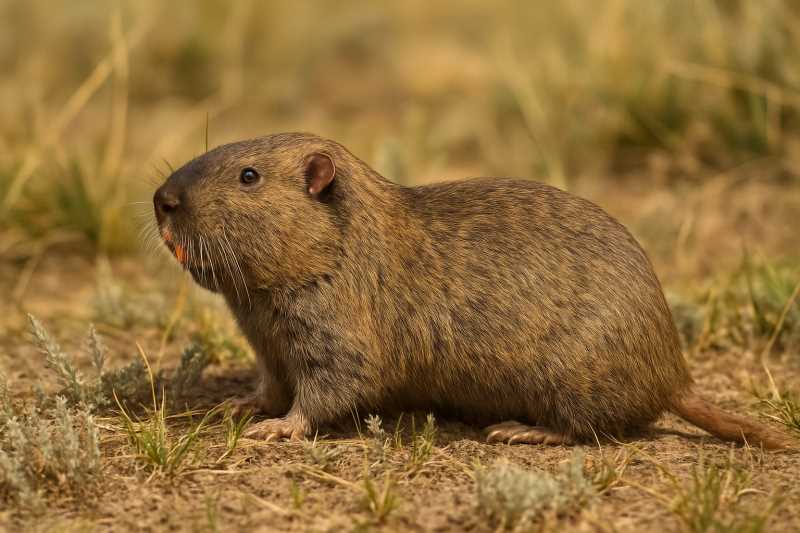
The Wyoming Pocket Gopher is a small rodent, typically measuring between 6 and 8 inches in length, with a tail that adds another 2 to 3 inches. It weighs approximately 100 to 200 grams. Its fur is soft and ranges in color from a light brown to a darker gray, providing excellent camouflage against the soil in which it burrows. The gopher’s most distinctive feature is its large, fur-lined cheek pouches, or "pockets," which are used to carry food and nesting materials.
The species has strong forelimbs with robust claws designed for efficient digging. Its eyes and ears are relatively small, adaptations that minimize exposure to dirt while burrowing. The dental structure of the Wyoming Pocket Gopher is notable for its ever-growing incisors, which are essential for gnawing through roots and other subterranean plant materials.
Range and Habitat
The Wyoming Pocket Gopher is endemic to Wyoming, with its range confined primarily to the southwestern part of the state. It inhabits the sagebrush steppe and grassland ecosystems, thriving in loose, sandy soils that facilitate easy burrowing. These habitats are characterized by low precipitation and temperature extremes, conditions that the gopher has adapted to survive.
This species prefers areas with sparse vegetation, which reduces the competition for food and makes burrowing more accessible. The Wyoming Pocket Gopher’s habitat is often fragmented due to agricultural development and other human activities, posing a challenge to its survival.
Behavior and Diet
The Wyoming Pocket Gopher is primarily solitary and spends most of its life underground. It is most active during the early morning and late afternoon, avoiding the midday heat. The gopher constructs extensive tunnel systems that can span several meters, serving as both home and food storage.
The diet of the Wyoming Pocket Gopher consists mainly of roots, tubers, and other underground plant parts. It uses its powerful incisors to gnaw through tough plant materials and carries food back to its burrow using its cheek pouches. This diet is supplemented with above-ground vegetation when available, although the gopher rarely ventures far from the safety of its burrows.
Identification Tips
Identifying the Wyoming Pocket Gopher in the field can be challenging due to its subterranean lifestyle. However, several cues can aid in its recognition:
- Burrow Entrances: Look for small, fan-shaped soil mounds that indicate burrow entrances. These are usually free of debris and have a distinctive crescent shape.
- Cheek Pouch Use: Observing a gopher using its cheek pouches to transport food can confirm its identity.
- Fur Color: Note the light brown to gray fur, which blends with the surrounding soil.
- Claw Marks: Digging activity often leaves visible claw marks around burrow entrances.
Conservation Status
The Wyoming Pocket Gopher is currently listed as a species of concern due to its limited range and specialized habitat requirements. The primary threats to its survival include habitat destruction from agriculture, urban development, and energy extraction. Climate change also poses a long-term threat by altering the sagebrush ecosystems on which the gopher depends.
Conservation efforts focus on habitat preservation and restoration. Protecting large tracts of sagebrush steppe and implementing land-use practices that minimize disturbance are crucial for the gopher’s survival. Research into the species’ ecology and population trends is also essential to inform conservation strategies.
Frequently Asked Questions
What is the Wyoming Pocket Gopher’s role in the ecosystem?
The Wyoming Pocket Gopher plays a crucial role in its ecosystem by aerating the soil through its burrowing activities. This process enhances soil fertility and promotes plant growth, benefiting other species in the habitat.
How can I help in the conservation of the Wyoming Pocket Gopher?
Supporting local conservation organizations and advocating for policies that protect sagebrush habitats can aid in the conservation of the Wyoming Pocket Gopher. Reducing land development in critical habitats is also beneficial.
Are Wyoming Pocket Gophers dangerous to crops?
While Wyoming Pocket Gophers do feed on plant roots, their limited range means they are unlikely to cause significant damage to crops on a large scale. However, localized damage can occur in areas where gopher populations are dense.
What are the main predators of the Wyoming Pocket Gopher?
Predators of the Wyoming Pocket Gopher include hawks, owls, foxes, and snakes. These predators rely on the gopher as a food source and help maintain the ecological balance.
How does climate change impact the Wyoming Pocket Gopher?
Climate change can alter the sagebrush steppe ecosystem, potentially reducing the availability of suitable habitats for the Wyoming Pocket Gopher. Changes in temperature and precipitation patterns can also impact food availability and burrow conditions.
Related posts