Proboscis Bat (Rhynchonycteris naso): A Comprehensive Guide
Introduction
The Proboscis Bat, scientifically known as Rhynchonycteris naso, is a fascinating mammal species that inhabits the tropical regions of Central and South America. Known for its distinctive nose and unique roosting behavior, this bat species is an important part of the ecosystem, contributing to insect control and seed dispersal. In this article, we will explore various aspects of the Proboscis Bat, including its physical characteristics, habitat, behavior, diet, and conservation status.
Physical Description
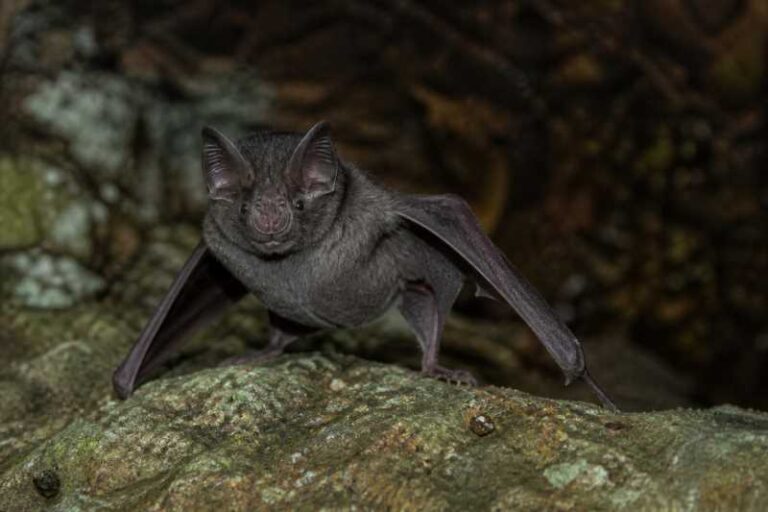
The Proboscis Bat is a small bat species, with an average body length of about 4 to 5 cm (1.6 to 2 inches) and a wingspan ranging from 25 to 30 cm (10 to 12 inches). It weighs approximately 3 to 5 grams, making it one of the lighter bat species. The most distinctive feature of the Proboscis Bat is its elongated nose, which resembles a proboscis, hence its name. This feature not only plays a role in its echolocation abilities but also gives the bat its unique appearance.
The fur of the Proboscis Bat is generally grayish-brown, providing excellent camouflage against tree bark and other natural surfaces. The underbelly is slightly lighter, aiding in blending into the surroundings when roosting. Their wings are long and narrow, adapted for agile flight and maneuverability through dense forests.
Range and Habitat
The Proboscis Bat is native to tropical and subtropical regions of Central and South America. Its range extends from southern Mexico through Central America, including countries like Costa Rica and Panama, and into northern South America, encompassing areas of Colombia, Venezuela, and Brazil. This species predominantly inhabits lowland rainforests, riverbanks, and mangroves, where it can find ample food supply and suitable roosting sites.
These bats prefer roosting on the underside of large tree leaves, such as those of banana plants, or on tree trunks and branches, often overhanging water bodies. Such locations offer protection from predators and easy access to feeding grounds.
Behavior and Diet
Proboscis Bats are social animals, often found in small colonies consisting of a few individuals. They exhibit a unique roosting behavior, aligning themselves in a row along tree branches or leaves, which provides excellent camouflage from predators like birds and snakes. This linear arrangement also aids in thermoregulation and protection against the elements.
Their primary diet consists of small insects, including mosquitoes, moths, and beetles. They are nocturnal hunters, using echolocation to detect and capture prey in mid-flight. The elongated nose of the Proboscis Bat is thought to enhance its echolocation abilities, allowing it to navigate and hunt effectively in dense forest environments.
Identification Tips (Field Recognition Cues)
Identifying the Proboscis Bat in the field requires keen observation skills. Here are some tips to help you recognize this species:
- Nasal Appearance: Look for the distinctive elongated nose, which is a key characteristic of the Proboscis Bat.
- Roosting Behavior: Observe their unique roosting pattern, aligning in rows along tree branches or leaves.
- Size and Color: Note their small size and grayish-brown fur, which blends well with tree bark.
- Flight Pattern: Watch for their agile flight, often occurring around water bodies where they hunt insects.
Conservation Status (With Threats and Protections)
The Proboscis Bat is currently listed as Least Concern by the International Union for Conservation of Nature (IUCN). However, like many wildlife species, it faces several threats that could impact its population in the future.
Threats
- Habitat Loss: Deforestation and land conversion for agriculture and urban development pose significant threats to the natural habitats of the Proboscis Bat.
- Pollution: Water pollution, particularly in riverine environments, can affect food availability and roosting sites.
- Climate Change: Changing climate patterns can alter the availability of food resources and suitable habitats.
Protections
Conservation efforts to protect the Proboscis Bat and its habitat include:
- Protected Areas: Establishing and maintaining protected areas and national parks to conserve vital habitats.
- Research and Monitoring: Conducting research to better understand the species’ ecology and monitor population trends.
- Public Awareness: Raising awareness about the importance of bats in ecosystems and promoting coexistence with human activities.
Frequently Asked Questions
1. What is the primary diet of the Proboscis Bat?
The Proboscis Bat primarily feeds on small insects, such as mosquitoes, moths, and beetles, using echolocation to hunt during the night.
2. Where can I find Proboscis Bats in the wild?
Proboscis Bats are commonly found in tropical and subtropical regions of Central and South America, roosting in rainforests, riverbanks, and mangroves.
3. How does the Proboscis Bat use its elongated nose?
The elongated nose of the Proboscis Bat enhances its echolocation abilities, helping it navigate and capture prey in dense forest environments.
4. Are Proboscis Bats endangered?
Currently, the Proboscis Bat is listed as Least Concern by the IUCN, but it faces threats from habitat loss, pollution, and climate change.
5. What are the conservation efforts in place for Proboscis Bats?
Conservation efforts include establishing protected areas, conducting research, and raising public awareness to ensure the survival of Proboscis Bats and their habitats.
Related posts