Minute Bristly Mouse (Neacomys minutus): An In-Depth Look
Introduction
The Minute Bristly Mouse, scientifically known as Neacomys minutus, is a small rodent species that often goes unnoticed due to its elusive nature and diminutive size. Despite its lack of notoriety, this species plays a crucial role in its ecosystem. This article delves deep into the life, characteristics, and current conservation status of the Minute Bristly Mouse, providing a comprehensive overview for wildlife enthusiasts and researchers alike.
Physical Description
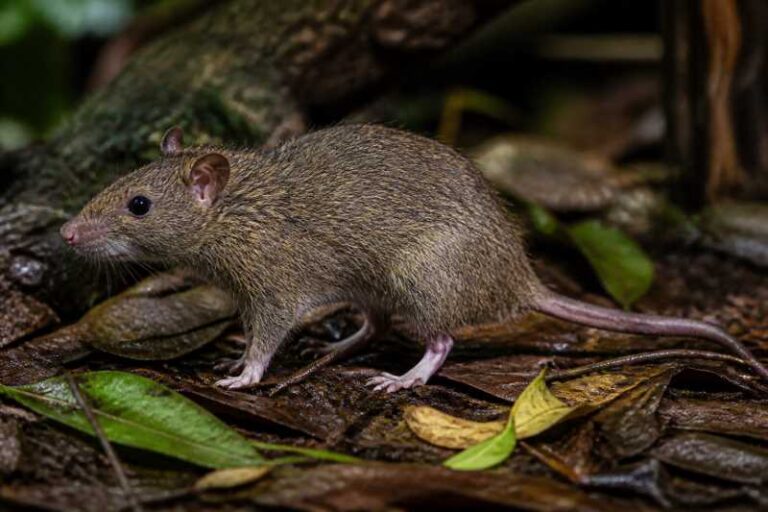
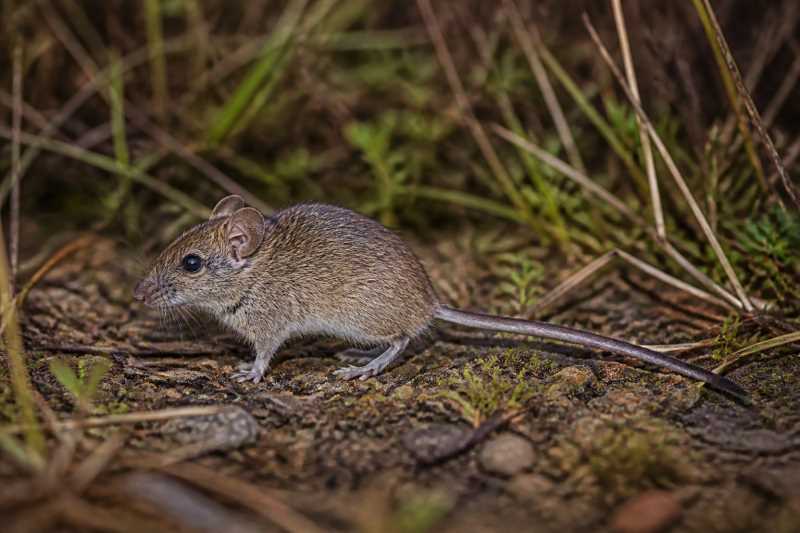
The Minute Bristly Mouse is aptly named for its small stature and distinctive bristly fur. It measures approximately 7 to 9 centimeters in body length, with a tail that adds another 6 to 8 centimeters. This mouse is characterized by its dense, coarse fur that provides protection against the elements and predators. Its coloration typically ranges from brown to grayish-brown, helping it blend seamlessly into its forested habitat.
The species exhibits sexual dimorphism, albeit subtly, with males generally being slightly larger than females. Their whiskers are notably long and sensitive, aiding in navigation and foraging activities during the night. The mouse’s feet are adapted for climbing, with sharp claws and padded soles that provide a firm grip on the forest floor and vegetation.
Range and Habitat
The Minute Bristly Mouse is predominantly found in South America, with a range that extends across parts of the Amazon Basin, including countries such as Brazil, Peru, and Ecuador. It thrives in tropical rainforest environments, where the dense canopy and undergrowth offer ample cover and food resources.
This species prefers lowland forests but can occasionally be found at higher elevations. Its habitat is characterized by high humidity, abundant leaf litter, and a complex understory that supports a diverse range of flora and fauna. The mouse is particularly adept at navigating through these environments, using its agility and keen senses to avoid predators and locate food.
Behavior and Diet
The Minute Bristly Mouse is primarily nocturnal, spending the daylight hours hidden in burrows or dense vegetation. It is an omnivorous species, with a diet that includes seeds, fruits, insects, and small invertebrates. This varied diet is crucial for its survival, providing the necessary nutrients for growth and reproduction.
Socially, the Minute Bristly Mouse is relatively solitary, although it may be seen in small groups during the breeding season. Communication is primarily through scent markings and vocalizations, which play a key role in territory establishment and mating rituals. The mouse is known for its cautious and secretive nature, rarely venturing far from cover.
Identification Tips
Identifying the Minute Bristly Mouse in the field requires attention to several key characteristics. Its small size, bristly fur, and long whiskers are distinctive features. Observers should also note its habitat preference for dense, humid forests.
Another identifying feature is its unique vocalizations, which are often described as high-pitched squeaks or chirps. These sounds can be heard during the night and are usually associated with foraging or mating activities. Additionally, the mouse’s tracks, characterized by small, sharp imprints in soft earth or leaf litter, can be a useful indicator of its presence.
Conservation Status
The Minute Bristly Mouse is currently classified as Least Concern by the International Union for Conservation of Nature (IUCN). However, its population is subject to several threats, primarily habitat loss due to deforestation and agricultural expansion.
Conservation efforts are focused on preserving its rainforest habitat through protected areas and sustainable land-use practices. Organizations are also working to increase awareness of the species and its ecological importance, highlighting the need for balanced conservation strategies that benefit both wildlife and local communities.
Frequently Asked Questions
What is the typical lifespan of the Minute Bristly Mouse?
The typical lifespan of the Minute Bristly Mouse in the wild is around 1 to 2 years, although this can vary based on environmental conditions and predation pressures.
How does the Minute Bristly Mouse adapt to its rainforest environment?
The Minute Bristly Mouse has adapted to its environment through its bristly fur, which provides camouflage, and its nocturnal habits, which help it avoid predators. Its climbing ability and diet versatility also support its adaptation.
Are there any conservation programs specifically for the Minute Bristly Mouse?
While there are no programs specifically targeting the Minute Bristly Mouse, its habitat is protected under broader conservation initiatives aimed at preserving the Amazon rainforest.
What role does the Minute Bristly Mouse play in the ecosystem?
The Minute Bristly Mouse plays a vital role as both a seed disperser and a prey species, contributing to the ecological balance of its habitat by supporting plant regeneration and serving as a food source for predators.
Can the Minute Bristly Mouse be kept as a pet?
Due to its specific habitat needs and elusive nature, the Minute Bristly Mouse is not suitable as a pet. It requires a complex environment that is difficult to replicate in captivity.
Related posts