Introduction
The Napo Spiny-rat, scientifically known as Proechimys quadruplicatus, is a fascinating species of rodent found primarily in the tropical regions of South America. This mammal is a member of the Echimyidae family, which consists of spiny rats known for their unique adaptations and ecological significance. The Napo Spiny-rat is particularly intriguing due to its specialized habitat preferences and behavioral traits. This article delves into the various aspects of Proechimys quadruplicatus, offering insights into its physical characteristics, habitat, behavior, conservation status, and more.
Physical Description
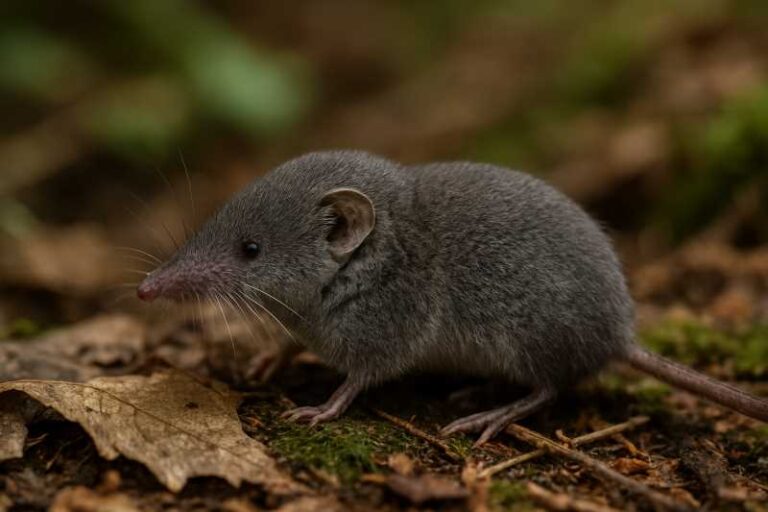
Proechimys quadruplicatus exhibits several distinct physical features that aid in its identification and survival in the wild. Typically, this spiny rat measures between 20 to 30 centimeters in length, excluding the tail, which adds an additional 15 to 20 centimeters. The body is covered with coarse, spiny fur that serves as a protective mechanism against predators. The coloration of the fur is generally a mix of brown and black, providing excellent camouflage within its natural environment.
One of the standout features of the Napo Spiny-rat is its elongated snout and sharp incisor teeth, adapted for gnawing. Its limbs are relatively short, but the strong, clawed feet are perfect for digging and foraging. The tail, although not prehensile, is used for balance and communication. The ears are small and rounded, enhancing its auditory capabilities, crucial for detecting predators in the dense underbrush.
Range and Habitat
The Napo Spiny-rat is native to the Amazon Basin, with its range primarily encompassing regions within Ecuador, Peru, and Colombia. It thrives in tropical rainforests, particularly favoring areas with dense vegetation and abundant ground cover. These environments provide the necessary resources for foraging and nesting.
Proechimys quadruplicatus is an adaptable species, capable of living in both primary and secondary forests. However, it shows a preference for undisturbed habitats where human activity is minimal. The species is often found near rivers and streams, which offer a reliable water source and a diverse array of plant and insect life to feed on.
Behavior and Diet
Behaviorally, the Napo Spiny-rat is predominantly nocturnal, engaging in most of its activities under the cover of darkness. This nocturnal lifestyle helps it avoid many diurnal predators and reduces competition for resources with other animals. During the day, these rodents seek refuge in burrows or dense foliage, emerging at night to forage.
The diet of Proechimys quadruplicatus is primarily herbivorous, consisting of a variety of plant materials such as fruits, seeds, and leaves. However, it is known to occasionally consume insects and small invertebrates, making it an omnivore. This dietary flexibility allows it to exploit a wide range of food sources, contributing to its success in diverse forest environments.
Identification Tips (Field Recognition Cues)
Identifying the Napo Spiny-rat in the wild requires careful observation of several key features:
- Fur Texture and Color: Look for the distinctive spiny, coarse fur that is brownish-black, providing camouflage among forest litter.
- Size and Proportions: Note the body length of 20 to 30 centimeters and a tail that is slightly shorter than the body.
- Snout and Teeth: The elongated snout and prominent incisors are characteristic of this species.
- Behavioral Patterns: Observe nocturnal activity, as these rats are rarely seen during daylight hours.
Conservation Status (With Threats and Protections)
Currently, the Napo Spiny-rat is classified as a species of Least Concern by the International Union for Conservation of Nature (IUCN). This designation indicates that, at present, the species does not face imminent threats of extinction.
However, habitat destruction due to deforestation and agricultural expansion poses significant risks to its population. The loss of primary forests and degradation of secondary forests can lead to reduced habitat availability and fragmented populations.
Conservation efforts for Proechimys quadruplicatus include maintaining protected areas within its natural range and promoting sustainable land-use practices that minimize forest destruction. Continued research and monitoring are essential to ensure that this species remains abundant and ecologically viable.
Frequently Asked Questions
What is the primary habitat of the Napo Spiny-rat?
The Napo Spiny-rat primarily inhabits tropical rainforests in the Amazon Basin, favoring areas with dense vegetation and close proximity to water sources.
How can you distinguish the Napo Spiny-rat from other rodents?
This species can be distinguished by its coarse, spiny fur, elongated snout, and nocturnal behavior, which are unique among rodents in its range.
Are Napo Spiny-rats endangered?
Currently, the Napo Spiny-rat is not endangered, but habitat destruction poses a potential threat to its populations in the future.
What is the diet of the Napo Spiny-rat?
The diet of the Napo Spiny-rat is primarily herbivorous, consisting of fruits, seeds, and leaves, with occasional consumption of insects.
Why is the Napo Spiny-rat important to its ecosystem?
As an herbivore, the Napo Spiny-rat plays a crucial role in seed dispersion and maintaining the ecological balance within its rainforest habitat.
Related posts