The Yellow-throated Flycatcher: A Jewel of the Neotropical Skies
The Yellow-throated Flycatcher (Conopias parvus) is an exquisite avian species that graces the tropical lowland forests of Central and South America. This bird is not only a visual delight but also a crucial component of its ecosystem, playing a vital role in insect population control and seed dispersal. In this article, we delve into the unique characteristics, habitat, behavior, and conservation status of this remarkable species.
Physical Characteristics
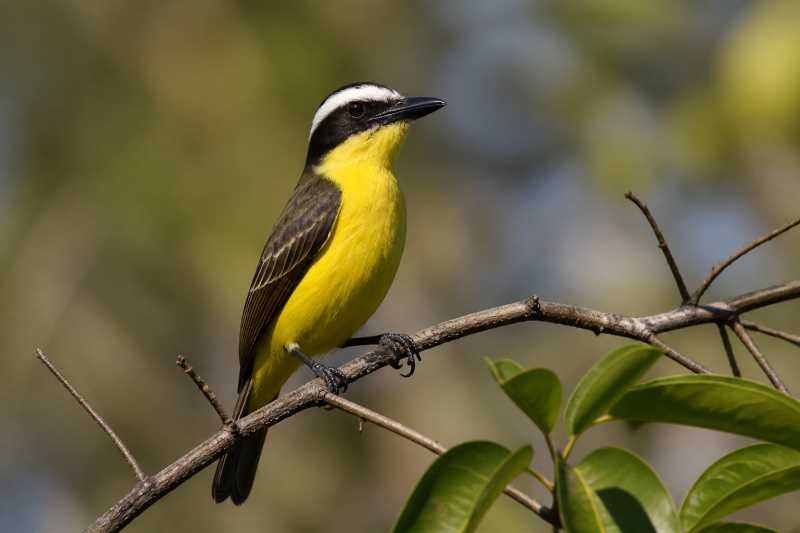
The Yellow-throated Flycatcher is a medium-sized passerine bird, measuring approximately 18 centimeters (7 inches) in length. It is characterized by its striking plumage, which features a vibrant yellow throat and underparts, contrasting with olive-green upperparts. The bird’s head is marked by a distinctive black mask that extends from the beak to the eyes, giving it a masked appearance. The wings and tail are dark with subtle white edges, providing a stark contrast to its bright body.
Both sexes appear similar, making it challenging to distinguish between males and females in the field. However, during the breeding season, males might exhibit slightly brighter coloration, which is thought to play a role in attracting mates.
Habitat and Distribution
The Yellow-throated Flycatcher predominantly inhabits the canopy and edges of humid lowland forests, often found near water bodies such as rivers and streams. Its range extends from southern Mexico through Central America, reaching as far south as northern Colombia and Venezuela. This bird is highly adapted to life in dense forest canopies, where it skillfully maneuvers in search of food.
While primarily a forest dweller, the Yellow-throated Flycatcher is sometimes spotted in adjacent habitats, including open woodlands and plantations, especially during non-breeding seasons when it may be less territorial.
Feeding and Behavior
The Yellow-throated Flycatcher is an adept insectivore, feeding primarily on a diet of insects and arthropods. It employs a sit-and-wait hunting strategy, perching quietly before launching swift aerial sallies to snatch prey from foliage or in mid-air. This hunting technique not only demonstrates the bird’s agility but also its critical role in controlling insect populations within its habitat.
In addition to insects, the Yellow-throated Flycatcher occasionally consumes fruits and berries, contributing to seed dispersal in its ecosystem. This dietary flexibility allows the species to adapt to varying environmental conditions and food availability.
Breeding and Reproduction
The breeding season of the Yellow-throated Flycatcher coincides with the rainy season, which varies across its range but generally occurs between March and August. During this time, males engage in elaborate courtship displays, characterized by vocalizations and flight maneuvers designed to attract females.
Nesting occurs high in the forest canopy, where the female constructs a cup-shaped nest using twigs, leaves, and other plant materials. The nest is typically well-concealed among branches to protect it from predators. Females lay a clutch of two to three eggs, which are incubated for about two weeks. Both parents are involved in feeding and caring for the chicks until they fledge, approximately three weeks post-hatching.
Vocalizations
The Yellow-throated Flycatcher is known for its distinctive and melodious vocalizations. Its song consists of a series of rich, whistled phrases that can be heard echoing through the forest. These vocalizations are used for communication between mates, territorial defense, and signaling alarm.
Conservation Status
Currently, the Yellow-throated Flycatcher is classified as Least Concern by the IUCN Red List. However, like many tropical bird species, it faces potential threats from habitat loss due to deforestation and agricultural expansion. Conservation efforts focusing on preserving large tracts of lowland forest and promoting sustainable land-use practices are vital for ensuring the continued survival of this species.
Conclusion
The Yellow-throated Flycatcher is a captivating bird that enriches the biodiversity of its tropical forest home. Its vibrant plumage, agile hunting skills, and melodious song make it a standout species among neotropical avifauna. By promoting conservation efforts and raising awareness about the importance of preserving its habitat, we can help secure a future for this remarkable bird and the ecosystems it inhabits.
Through understanding and appreciating the Yellow-throated Flycatcher, we not only safeguard an extraordinary species but also reinforce the interconnectedness of life within the world’s rich and diverse ecosystems.
Related posts