Introduction
The Tufted Deer (Elaphodus cephalophus) is a fascinating and elusive species native to the dense forests of Asia. Known for its distinctive tuft of hair on its forehead and small, fang-like canines, the Tufted Deer is a lesser-known member of the deer family, yet it holds significant ecological importance in its native habitats. This article delves into the physical characteristics, range, behavior, and conservation status of the Tufted Deer, providing a comprehensive overview for wildlife enthusiasts and researchers alike.
Physical Description
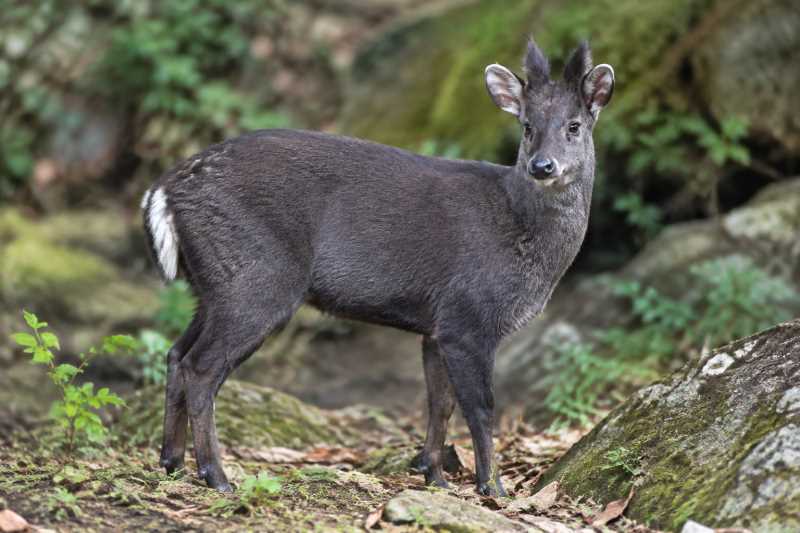
The Tufted Deer is a small to medium-sized deer species, typically weighing between 17 to 30 kilograms (37 to 66 pounds) and measuring about 50 to 70 centimeters (20 to 28 inches) at the shoulder. One of the most striking features of this deer is its prominent tuft of black hair on its forehead, which gives the species its common name. Additionally, males possess small, fang-like upper canines that can extend beyond the lower jaw, a feature more commonly associated with carnivorous mammals than herbivorous deer.
The coat of the Tufted Deer is generally dark brown or gray, with a lighter underbelly. This coloration provides effective camouflage in its forested habitat. Unlike many deer species, the Tufted Deer does not have antlers, which further distinguishes it from its relatives.
Range and Habitat
The Tufted Deer is endemic to the mountainous regions of central and southern China, with a range extending into northeastern Myanmar. They inhabit dense, subtropical, and temperate forests, often at elevations ranging from 500 to 4,500 meters (1,640 to 14,760 feet). These forests provide ample cover and food resources, allowing the Tufted Deer to thrive away from human disturbance.
The species is particularly associated with areas of dense undergrowth and bamboo thickets, which provide both food and protection from predators. The adaptation to such specific habitats makes the Tufted Deer vulnerable to habitat loss due to deforestation and agricultural expansion.
Behavior and Diet
Tufted Deer are primarily solitary animals, with individuals maintaining small home ranges. They are crepuscular, being most active during the early morning and late afternoon. This behavior helps them avoid peak predator activity during the day and night.
The diet of the Tufted Deer consists mainly of leaves, twigs, fruits, and grasses. They are known to forage for bamboo, which forms a significant part of their diet in some regions. The deer’s feeding habits play an essential role in seed dispersal and maintaining the ecological balance of their habitats.
Communication among Tufted Deer is primarily through vocalizations, body language, and scent marking. They have a range of vocal calls used for various purposes, from warning of danger to attracting mates.
Identification Tips
Field recognition of the Tufted Deer can be challenging due to its elusive nature and dense habitat. However, several key features can aid in identification:
- Forehead Tuft: The most distinctive feature is the tuft of black hair on the forehead, which is unique to this species.
- Fang-like Canines: Males have small, protruding canines that are visible when the mouth is open.
- Size and Build: The Tufted Deer is relatively small, with a compact body and short legs.
- Coloration: Look for the dark brown or gray coat with a lighter underbelly, which blends well with the forest floor.
Conservation Status
The Tufted Deer is currently listed as Near Threatened on the IUCN Red List. The primary threats to the species include habitat loss due to deforestation and conversion of land for agriculture. Illegal poaching for meat and traditional medicine also poses a significant threat.
Conservation efforts are underway to protect the Tufted Deer and its habitat. These include the establishment of protected areas and national parks in regions where the species is found. Raising awareness about the ecological importance of the Tufted Deer and the threats it faces is crucial for its long-term survival.
Frequently Asked Questions
What do Tufted Deer eat?
Tufted Deer primarily feed on leaves, twigs, fruits, and grasses. Bamboo is a significant part of their diet in some regions, contributing to their role in seed dispersal and forest ecology.
Where can I find Tufted Deer in the wild?
Tufted Deer are found in the mountainous regions of central and southern China and northeastern Myanmar. They inhabit dense, subtropical, and temperate forests, often at high elevations.
Are Tufted Deer endangered?
The Tufted Deer is classified as Near Threatened due to habitat loss and poaching. Conservation efforts are in place to protect their habitats and populations.
How can you identify a Tufted Deer?
Key identification features include the distinctive tuft of black hair on the forehead, small fang-like canines in males, and a dark brown or gray coat.
Why are Tufted Deer important to their ecosystem?
Tufted Deer play a crucial role in seed dispersal and maintaining the ecological balance of their forest habitats. Their feeding habits contribute to the health and diversity of the ecosystem.
Related posts