Introduction
The Canefield Rat, scientifically known as Rattus sordidus, is a notable member of the rodent family Muridae. This species is primarily found in Australia and New Guinea, where it occupies a pivotal niche in the ecosystem. Known for its adaptability and resilience, the Canefield Rat has a significant impact on agricultural practices, particularly in sugarcane fields, hence its name. This article delves into the fascinating aspects of this species, exploring its physical characteristics, habitat preferences, behavioral patterns, and conservation status.
Physical Description
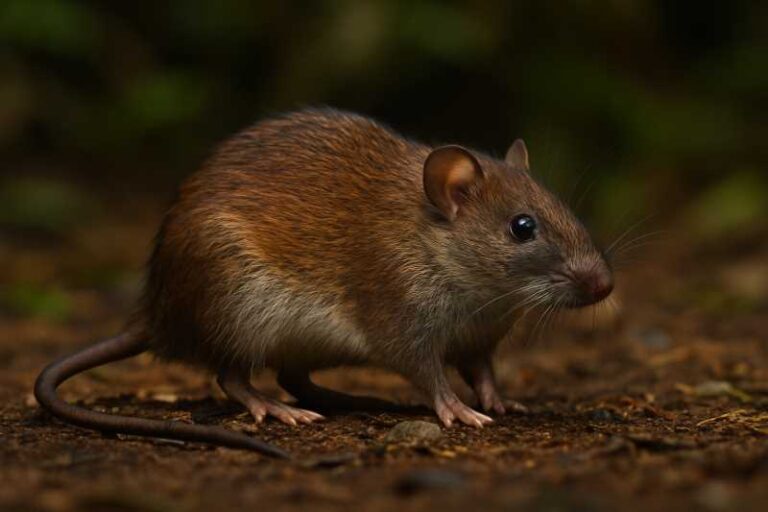
The Canefield Rat is a medium-sized rodent, with an average body length ranging from 15 to 20 centimeters, excluding the tail, which adds another 13 to 18 centimeters. Its fur is typically coarse, with a coloration that varies from dark brown to grey, providing excellent camouflage in its natural habitat. The underbelly is usually lighter, often whitish or pale grey. The ears are moderately sized, and the eyes are prominent, adapted for nocturnal activity. This species exhibits a robust build, with strong limbs that aid in its burrowing lifestyle.
Range and Habitat
Rattus sordidus is predominantly found in northeastern Australia, particularly in Queensland, and also inhabits parts of New Guinea. Its preferred habitats include grasslands, agricultural areas, and woodlands, where it finds ample food and shelter. The species is highly adaptable, often inhabiting sugarcane fields, which provide both a food source and cover from predators. The Canefield Rat’s ability to thrive in disturbed environments makes it a common sight in areas undergoing agricultural development.
Behavior and Diet
The Canefield Rat is primarily nocturnal, venturing out of its burrows at night to forage for food. It is an omnivorous species, with a diet that includes seeds, fruits, insects, and small invertebrates. In agricultural settings, it is known to feed on sugarcane, causing significant damage and economic loss. Socially, these rats exhibit a solitary lifestyle, with individuals occupying distinct territories marked by scent. They communicate through vocalizations and scent markings, which play a crucial role in mating and territorial disputes.
Identification Tips (Field Recognition Cues)
Identifying the Canefield Rat in the field involves observing several key characteristics. Look for a medium-sized rodent with a rich brown to grey coat and a noticeably lighter underbelly. The tail is long and scaly, often matching the body in length. Their ears are rounded and moderately sized, while the eyes are large and adapted for low-light conditions. In sugarcane fields, signs of gnawing or burrow entrances can be indicative of their presence.
Conservation Status (with Threats and Protections)
The International Union for Conservation of Nature (IUCN) currently lists the Canefield Rat as a species of Least Concern due to its wide distribution and stable population. However, certain threats persist, primarily from habitat destruction and agricultural practices. The conversion of woodlands to farmland reduces available natural habitats, while pesticide use poses a risk of poisoning. Despite these threats, the species’ adaptability to modified environments has allowed it to maintain stable numbers. Conservation efforts focus on habitat preservation and minimizing pesticide use through integrated pest management.
Frequently Asked Questions
1. What is the lifespan of a Canefield Rat in the wild?
The average lifespan of a Canefield Rat in the wild is approximately 1 to 2 years. Factors such as predation, disease, and food availability significantly influence their longevity.
2. How does the Canefield Rat impact agriculture?
The Canefield Rat is known to cause significant damage to crops, particularly sugarcane, by feeding on the stalks and reducing yield. Effective pest management strategies are essential to mitigate these impacts.
3. Are Canefield Rats dangerous to humans?
While Canefield Rats are not directly dangerous to humans, they can pose a risk of disease transmission through parasites and contact with their droppings. Maintaining good hygiene and pest control can minimize these risks.
4. What measures are in place to protect the Canefield Rat?
Current conservation measures focus on habitat preservation and promoting sustainable agricultural practices to reduce habitat destruction and pesticide use.
5. Can Canefield Rats be kept as pets?
While it is possible to keep Canefield Rats as pets, they are wild animals and may not adapt well to captivity. It is generally recommended to choose domesticated rat species for pet ownership.
Related posts