Introduction
The Lesser Dasyure (Murexia wilhelmina) is a fascinating and enigmatic small carnivorous marsupial endemic to New Guinea. This elusive creature, part of the Dasyuridae family, has intrigued scientists and wildlife enthusiasts alike due to its unique adaptations and ecological role. Despite its small size, the Lesser Dasyure plays a critical role in maintaining the balance of its ecosystem, serving as both predator and prey. In this comprehensive article, we will explore the physical characteristics, habitat preferences, behavioral patterns, and conservation status of the Lesser Dasyure, aiming to enhance understanding and appreciation of this remarkable species.
Physical Description
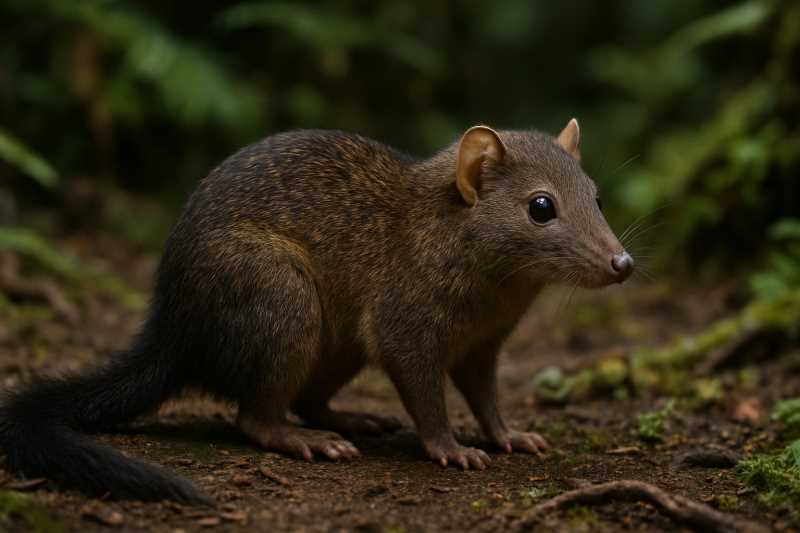
The Lesser Dasyure is a small, agile marsupial, typically weighing between 40 to 100 grams and measuring around 15 to 20 centimeters in body length, with an additional 10 to 15 centimeters of tail. Its fur is predominantly dark brown to black, providing excellent camouflage among the forest floor litter and dense undergrowth of its habitat. The species is characterized by a pointed snout, large rounded ears, and sharp, recurved teeth adapted for its carnivorous diet. Its eyes are relatively large, indicating a degree of nocturnal activity. The tail is long and prehensile, aiding in balance and mobility through the dense forest environment.
Range and Habitat
The Lesser Dasyure is predominantly found in the montane forests of New Guinea, thriving at elevations ranging from 500 to 3,000 meters above sea level. These habitats, characterized by high humidity and dense vegetation, provide ample cover and abundant food resources. The species is particularly associated with primary forests, but it can also be found in secondary forests and disturbed areas, demonstrating a certain level of adaptability. The Lesser Dasyure’s range extends across both Papua New Guinea and the Indonesian region of West Papua, although specific population densities and distribution patterns remain relatively understudied.
Behavior and Diet
Primarily nocturnal, the Lesser Dasyure exhibits solitary behavior, with individuals occupying and defending distinct home ranges. The species is an opportunistic feeder, preying on a diverse array of small invertebrates, including insects, arachnids, and small vertebrates such as lizards and frogs. Its diet is supplemented by occasional consumption of fruits and seeds, making it an important seed disperser within its ecosystem. The Lesser Dasyure is highly agile, capable of rapid bursts of speed and impressive climbing abilities, which it employs both in hunting and evading predators.
Identification Tips (field recognition cues)
Identifying the Lesser Dasyure in the field requires attention to several key features:
- Size and Shape: Look for a small, slender-bodied marsupial with a long, prehensile tail.
- Fur Coloration: Note the dark brown to black fur, which may appear duller in certain lighting conditions.
- Facial Features: Observe the pointed snout and large, rounded ears, typical of the species.
- Behavior: The Lesser Dasyure’s nocturnal and solitary habits can aid in identification, as these behaviors are consistent across its range.
- Habitat: Consider the elevation and forest type, as this species is largely restricted to montane and submontane forest environments.
Conservation Status (with threats and protections)
As of the latest assessments, the Lesser Dasyure is not listed as endangered, but its populations are potentially vulnerable due to ongoing habitat destruction and fragmentation. The primary threats to its habitat include logging, agricultural expansion, and human settlement encroachment. Additionally, climate change poses a long-term threat by altering the montane environments this species relies upon.
Conservation efforts for the Lesser Dasyure include habitat protection through the establishment of reserves and national parks, as well as initiatives to promote sustainable land-use practices. Further research into the species’ ecology and population dynamics is crucial to inform conservation strategies and ensure the long-term survival of this unique marsupial.
Frequently Asked Questions
What does the Lesser Dasyure eat?
The Lesser Dasyure is an opportunistic carnivore, primarily feeding on invertebrates like insects and arachnids, as well as small vertebrates such as lizards and frogs. It occasionally supplements its diet with fruits and seeds.
Where can the Lesser Dasyure be found?
The Lesser Dasyure is native to the montane forests of New Guinea, found at elevations between 500 to 3,000 meters above sea level. It occurs in both Papua New Guinea and the Indonesian region of West Papua.
How does the Lesser Dasyure adapt to its environment?
The Lesser Dasyure has developed several adaptations, including a prehensile tail for balance, sharp teeth for its carnivorous diet, and dark fur for camouflage. Its nocturnal habits help it avoid predators and take advantage of cooler nighttime temperatures.
Is the Lesser Dasyure endangered?
Currently, the Lesser Dasyure is not classified as endangered. However, its habitat is under threat from deforestation, agricultural expansion, and climate change, making it potentially vulnerable.
What conservation efforts are in place for the Lesser Dasyure?
Conservation efforts include habitat protection through reserves and national parks, as well as research initiatives to better understand the species’ ecology and inform effective conservation strategies.
Related posts