Introduction
Swinhoe’s Striped Squirrel, scientifically known as Tamiops swinhoei, is a small yet fascinating member of the rodent family. Known for its distinctive appearance and agile movements, this species inhabits diverse habitats across Asia. As a subject of interest for researchers and nature enthusiasts alike, Swinhoe’s Striped Squirrel plays a crucial role in its ecosystem, contributing to seed dispersal and acting as a prey species for various predators. This article delves into the intricate details of this squirrel’s life, including its physical characteristics, habitat, behavior, and conservation status.
Physical Description
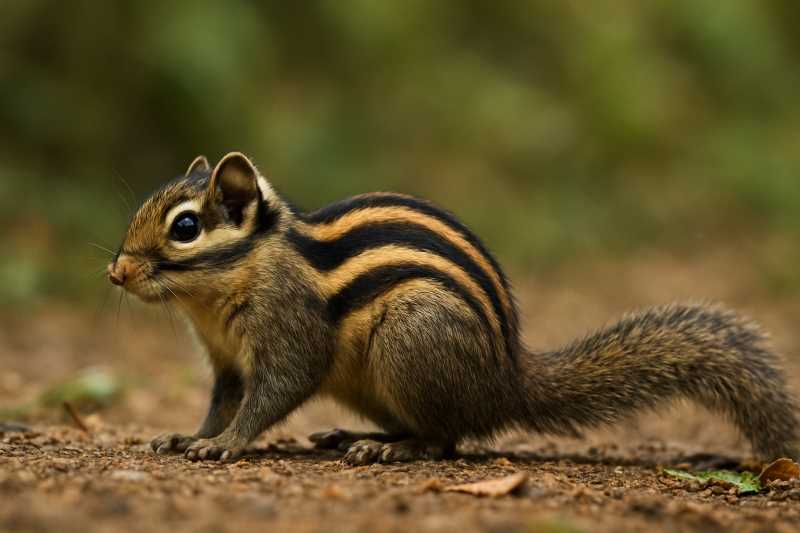
Swinhoe’s Striped Squirrel is a small, agile creature, typically measuring 11 to 12 centimeters in body length, with a tail almost as long as its body, reaching up to 10 centimeters. Its most distinguishing feature is the series of stripes running along its back, which are typically three in number, with the central stripe being darker and more pronounced. The fur is generally a grayish-brown, providing excellent camouflage in its natural habitat, while the underbelly presents a lighter, creamier hue.
The squirrel’s head is compact, with a pointed snout and large, expressive eyes that are well-adapted for spotting predators. Its ears are small and rounded, often blending seamlessly with the fur. The limbs are strong and equipped with sharp claws, perfect for climbing and gripping tree bark. This adaptation is crucial for their arboreal lifestyle.
Range and Habitat
Swinhoe’s Striped Squirrel inhabits a broad range across Southeast Asia. It is predominantly found in countries such as China, Vietnam, Laos, and Thailand. The species thrives in a variety of environments, from subtropical and tropical forests to mountainous regions. These squirrels prefer dense forested areas where they can find ample food and cover from predators.
Their habitat typically consists of mixed forests with an abundance of trees, shrubs, and undergrowth. They are most commonly observed at elevations ranging from 500 to 2,500 meters. The presence of diverse flora provides the resources necessary for their diet, as well as suitable nesting sites. This adaptability to different forest types helps them survive in both primary and secondary forests, although they show a preference for the former due to richer biodiversity.
Behavior and Diet
Swinhoe’s Striped Squirrel is a diurnal creature, meaning it is active during the day. These squirrels are highly territorial and solitary, often seen foraging alone. They communicate through a series of vocalizations and tail movements, especially when alarmed or during mating season.
The diet of Swinhoe’s Striped Squirrel is predominantly herbivorous, consisting of seeds, fruits, and nuts. Occasionally, they may consume insects or small vertebrates, particularly when plant-based food is scarce. Their role as seed dispersers is vital, as they help maintain the health of their ecosystem by aiding in plant propagation.
Identification Tips
When attempting to identify Swinhoe’s Striped Squirrel in the wild, look for the following key characteristics:
- Stripes: The three distinct longitudinal stripes on the back, with the central one being more prominent.
- Size: A small body size, around 11-12 cm in length.
- Tail: A long, bushy tail almost equal to the body length.
- Coloration: Grayish-brown fur with a lighter underbelly.
- Habitat: Typically found in forested areas with ample tree cover.
These cues can help distinguish them from other similar species in their range.
Conservation Status
Currently, the Swinhoe’s Striped Squirrel is classified as Least Concern by the International Union for Conservation of Nature (IUCN). However, this status does not imply that the species is free from threats. Deforestation and habitat fragmentation pose significant risks, leading to the loss of suitable living environments for the squirrels.
Conservation efforts focus on preserving forest habitats and implementing sustainable forestry practices. Protected areas and national parks within the squirrel’s range offer some refuge, but continued monitoring and environmental education are crucial to ensure their long-term survival.
Frequently Asked Questions
What is the lifespan of Swinhoe’s Striped Squirrel?
In the wild, Swinhoe’s Striped Squirrel typically lives for about 5 to 6 years. However, this can vary based on environmental conditions and predation pressures.
How does Swinhoe’s Striped Squirrel contribute to its ecosystem?
Swinhoe’s Striped Squirrel plays a significant role in seed dispersal, aiding in plant propagation and forest regeneration. They also serve as prey for various predators, maintaining the ecological balance.
Are Swinhoe’s Striped Squirrels social animals?
No, Swinhoe’s Striped Squirrels are generally solitary. They are territorial and spend most of their time alone, except during mating season.
Can Swinhoe’s Striped Squirrel adapt to urban environments?
While they primarily inhabit forested areas, there are instances of Swinhoe’s Striped Squirrels adapting to suburban environments where trees and green spaces are abundant.
What are the main threats to Swinhoe’s Striped Squirrel?
The main threats include habitat loss due to deforestation and fragmentation, which reduce their living space and food resources.
Understanding and appreciating the Swinhoe’s Striped Squirrel can inspire greater efforts towards conservation and sustainable living practices that protect these and other vital species.
Related posts