Introduction
Seal’s Sportive Lemur, scientifically known as Lepilemur seali, is a fascinating primate species native to the biodiverse island of Madagascar. This nocturnal lemur is part of the Lepilemuridae family, which is renowned for their distinctive adaptations and unique ecological roles. As with many species endemic to Madagascar, Seal’s Sportive Lemur faces numerous challenges, from habitat destruction to climate change. Understanding and protecting this species is crucial for maintaining the ecological balance and biodiversity of its native habitats.
Physical Description
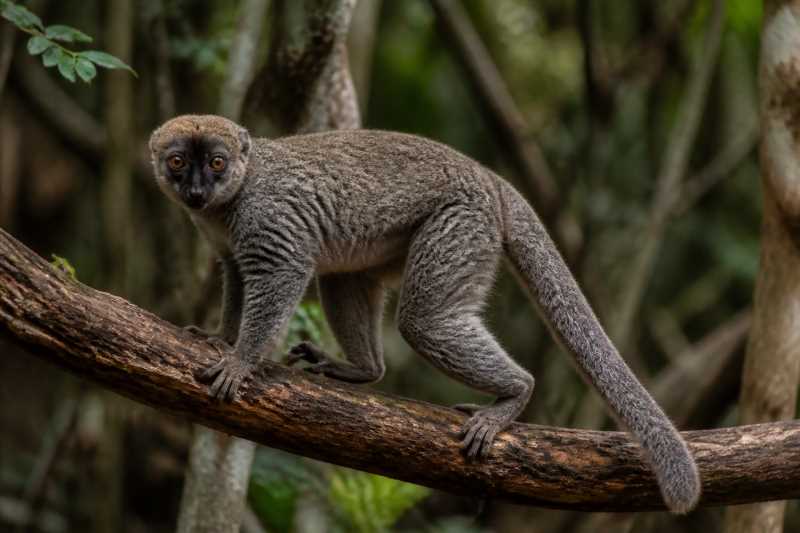
Seal’s Sportive Lemur is a medium-sized primate, characterized by its robust body and relatively large eyes, which are adapted for its nocturnal lifestyle. Adults typically weigh between 0.7 to 1.2 kilograms (1.5 to 2.6 pounds) and measure around 26 to 30 centimeters (10 to 12 inches) in body length, excluding the tail. The tail itself can add an additional 25 to 30 centimeters (10 to 12 inches) to their overall length.
Their fur is predominantly brownish-grey, providing excellent camouflage against the bark and leaves of their arboreal habitat. The underbelly is lighter, often a creamy white or pale grey. A distinctive feature of this species is its large, round eyes, which are adapted to maximize light intake during nighttime activities.
Seal’s Sportive Lemur’s limbs are well-adapted for a life in the trees. Their strong hind legs enable them to execute impressive leaps between branches, while their smaller, dexterous hands are perfect for grasping twigs and leaves.
Range and Habitat
Seal’s Sportive Lemur is endemic to the island of Madagascar, specifically found in the dry deciduous forests in the western part of the island. These forests are characterized by seasonal variations, with a distinct wet and dry season. During the dry season, many trees shed their leaves, which can impact food availability for the lemur.
The home range of this species is relatively small compared to other primates, often limited to a few hectares. This limited range highlights the importance of each forest patch in maintaining viable populations. The lemurs are arboreal, spending most of their time in the trees, where they find shelter, food, and protection from predators.
Behavior and Diet
Seal’s Sportive Lemur is primarily nocturnal, with most of its activities occurring after sunset. They are solitary animals, with individuals maintaining separate territories marked by scent markings. Despite their solitary nature, they communicate through vocalizations and olfactory cues, especially during the breeding season.
Their diet mainly consists of foliage, which they digest efficiently thanks to their specialized digestive system. They have a caecotrophic digestion process, similar to that of rabbits, allowing them to maximize nutrient extraction from tough plant material. In addition to leaves, they may consume fruits, flowers, and bark depending on seasonal availability.
Identification Tips
Field recognition of Seal’s Sportive Lemur can be challenging due to their nocturnal habits and elusive nature. However, there are several cues that can aid in identification:
- Large Eyes: Their large, round eyes are adapted for night vision and are one of the most distinctive features.
- Fur Coloration: Look for the brownish-grey coloration with a lighter underbelly, which provides camouflage in the forest.
- Vocalizations: Listen for their calls during nighttime hours, which can include a variety of sounds used for communication and territory marking.
- Movement Patterns: Observe their agile, leaping movement through the trees, which is characteristic of sportive lemurs.
Conservation Status
The conservation status of Seal’s Sportive Lemur is currently listed as "Endangered" by the International Union for Conservation of Nature (IUCN). This status is primarily due to habitat loss caused by deforestation, agricultural expansion, and illegal logging. The fragmentation of their habitats limits their ability to find food and mates, further threatening their survival.
Conservation efforts are crucial for the protection of this species. These efforts include habitat preservation, reforestation projects, and legal protection against hunting and logging. Additionally, eco-tourism initiatives can provide economic incentives for local communities to protect their natural resources.
Frequently Asked Questions
- What is the primary diet of Seal’s Sportive Lemur?
Seal’s Sportive Lemur primarily feeds on foliage, but its diet can also include fruits, flowers, and bark, depending on availability.
- Where can Seal’s Sportive Lemur be found?
This species is found in the dry deciduous forests of western Madagascar, where it lives a largely solitary and nocturnal life.
- What are the main threats to Seal’s Sportive Lemur?
The main threats include habitat destruction due to deforestation, agricultural expansion, and illegal logging activities.
- How does Seal’s Sportive Lemur communicate?
Although solitary, they communicate using vocalizations and scent markings, particularly during mating seasons.
- Why are Seal’s Sportive Lemurs considered endangered?
They are endangered due to habitat loss and fragmentation, which severely impacts their population and genetic diversity.
Related posts