Introduction
The Atlantic humpback dolphin (Sousa teuszii) is a fascinating and rare species of dolphin found along the western coast of Africa. Known for their distinctive appearance and unique behaviors, these dolphins are a subject of great interest to marine biologists and conservationists alike. The species was first described by German naturalist Max Weber in 1892 and has since become an important indicator of marine ecosystem health in its range. As an inhabitant of shallow coastal waters, the Atlantic humpback dolphin faces significant threats from human activities, making it a priority for conservation efforts.
Understanding the biology, habitat, and conservation needs of the Atlantic humpback dolphin is crucial for ensuring its survival. This article provides a comprehensive overview of the species, including its physical description, habitat preferences, behaviors, diet, and the challenges it faces in the wild.
Physical Description
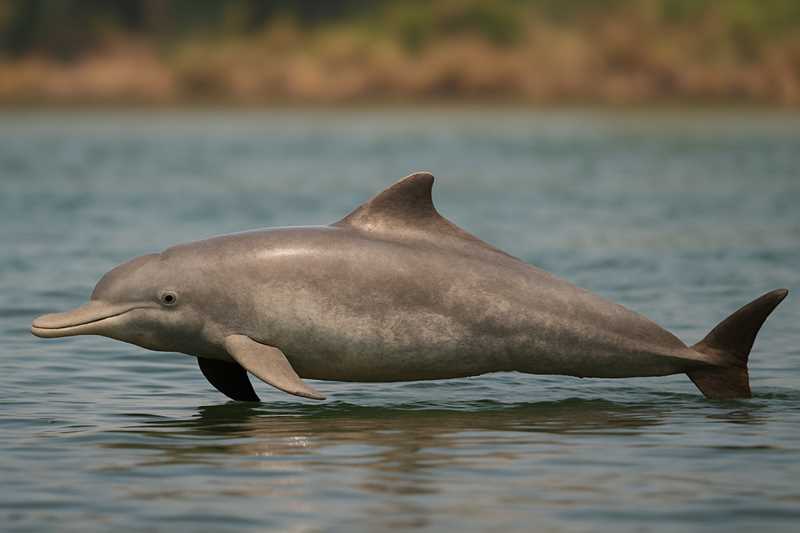
The Atlantic humpback dolphin is medium-sized compared to other dolphins, typically measuring between 2.5 and 2.8 meters (8.2 to 9.2 feet) in length. Adults can weigh between 150 and 200 kilograms (330 to 440 pounds). One of the most distinctive features of the Atlantic humpback dolphin is its prominent dorsal hump, which gives the species its name. This hump is located just in front of the dorsal fin and is more pronounced in older individuals.
The coloration of these dolphins is another distinguishing feature. They generally have a light gray to pinkish hue, with darker shades on the dorsal side that fade to lighter tones on the belly. The dorsal fin is relatively small and triangular, situated on the hump, which is unique among dolphin species.
The Atlantic humpback dolphin’s beak is short and robust, adapted for catching prey in its coastal habitat. Its flippers are small and rounded, contributing to its agility in shallow waters.
Range and Habitat
Atlantic humpback dolphins are endemic to the eastern tropical Atlantic Ocean, with a range extending along the western coast of Africa from Western Sahara to Angola. They are predominantly found in shallow coastal waters, often near river mouths, estuaries, and mangrove forests.
These dolphins prefer water depths of less than 30 meters (98 feet), where they can easily hunt for fish and other prey. The proximity to shorelines makes them particularly vulnerable to human activities, such as fishing and coastal development.
Their distribution is highly fragmented due to the specific habitat requirements and the patchy nature of suitable coastal environments. This fragmentation poses additional challenges for their conservation, as isolated populations are more susceptible to genetic bottlenecks and local extinctions.
Behavior and Diet
Atlantic humpback dolphins are typically seen in small groups, usually consisting of fewer than 10 individuals. These groups are often composed of adult females and their calves, with males sometimes joining during breeding seasons. The social structure of these dolphins is not as well-documented as in other dolphin species, but they are known to exhibit cooperative behaviors, especially during hunting.
Their diet primarily consists of fish and cephalopods, which they hunt using echolocation and coordinated group tactics. The shallow coastal waters provide abundant feeding opportunities, though overfishing and habitat degradation are ongoing concerns that impact their food availability.
These dolphins are generally shy and elusive, often avoiding boats and humans. They exhibit a range of vocalizations and surface behaviors, such as breaching and spy-hopping, although these are less frequent compared to other dolphin species.
Identification Tips (Field Recognition Cues)
Identifying the Atlantic humpback dolphin in the wild requires careful observation of its unique physical and behavioral characteristics. Here are some tips for recognizing this species:
- Look for the distinctive dorsal hump: This is the most striking feature of the Atlantic humpback dolphin, setting it apart from other dolphins in the region.
- Observe the coloration: The light gray to pinkish hue, with a darker dorsal side, is indicative of this species.
- Note the habitat: These dolphins are typically found in shallow coastal waters, near river mouths and estuaries.
- Group size and behavior: Atlantic humpback dolphins are usually seen in small groups and are known for their shy behavior.
- Dorsal fin shape: The small, triangular dorsal fin positioned on the hump is a key identification marker.
Conservation Status (with Threats and Protections)
The Atlantic humpback dolphin is listed as Critically Endangered on the IUCN Red List, primarily due to habitat loss, bycatch in fisheries, and pollution. The species is particularly vulnerable to gillnets and other fishing gear, which can lead to accidental entanglement and death.
Coastal development and habitat destruction further threaten their survival, as these activities reduce the availability of suitable habitats and prey. Pollution from agricultural runoff and industrial activities also poses significant risks to their health and reproductive success.
Efforts to protect the Atlantic humpback dolphin include establishing marine protected areas (MPAs) and implementing sustainable fishing practices. International cooperation is essential for the conservation of this species, given its transboundary range along multiple West African nations.
Conservation programs focus on habitat preservation, pollution control, and public awareness campaigns to reduce human impact on these dolphins. Researchers are also working to gather more data on the species’ population dynamics and genetic diversity to inform effective conservation strategies.
Frequently Asked Questions
1. What is the primary threat to Atlantic humpback dolphins?
The primary threat to Atlantic humpback dolphins is bycatch in fishing operations, particularly gillnets. Coastal development and habitat destruction also pose significant risks to their populations, alongside pollution from industrial and agricultural sources.
2. Where can Atlantic humpback dolphins be found?
Atlantic humpback dolphins are found along the western coast of Africa, from Western Sahara to Angola. They inhabit shallow coastal waters, often near river mouths, estuaries, and mangrove forests.
3. How can I help with the conservation of Atlantic humpback dolphins?
Individuals can contribute to the conservation of Atlantic humpback dolphins by supporting organizations that work to protect marine habitats and advocating for sustainable fishing practices. Raising awareness about the threats these dolphins face and promoting responsible coastal development can also make a difference.
4. Are Atlantic humpback dolphins social animals?
Yes, Atlantic humpback dolphins are social animals, typically seen in small groups of fewer than 10 individuals. These groups are usually composed of females and their calves, with males joining during breeding seasons. They exhibit cooperative behaviors, especially when hunting.
5. What do Atlantic humpback dolphins eat?
Atlantic humpback dolphins primarily feed on fish and cephalopods, using echolocation and coordinated group tactics to hunt in their shallow coastal habitats.
Related posts