Introduction
Langer’s Serotine (Neoeptesicus langeri) is a fascinating species of bat belonging to the family Vespertilionidae. This small mammal is a part of the diverse and widely distributed group of bats known as serotines. Named after the renowned bat researcher, Dr. Langer, who first described it, Neoeptesicus langeri is a subject of interest for both researchers and conservationists due to its unique characteristics and the ecological role it plays in its habitat.
As with many bat species, Langer’s Serotine contributes significantly to maintaining ecological balance, primarily through insect control. However, like many other bat species globally, it faces several threats that have prompted concerns about its conservation status. This article delves into the various aspects of Langer’s Serotine, from its physical characteristics to its behavior and conservation needs.
Physical Description
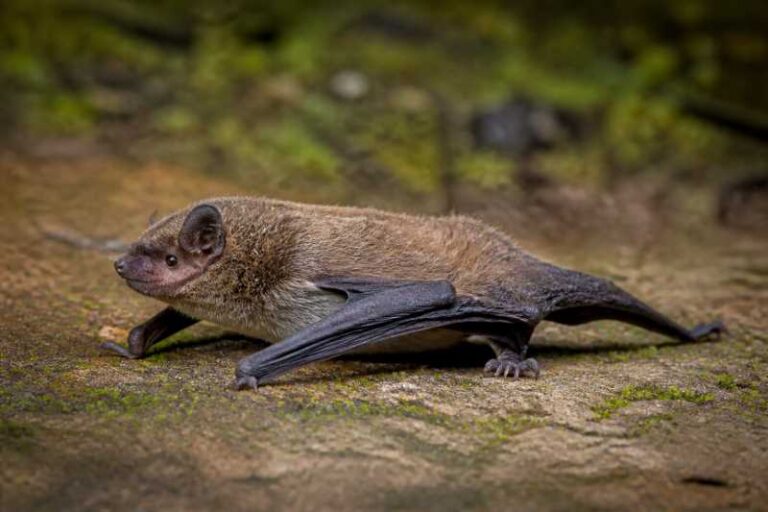
Langer’s Serotine is a small to medium-sized bat, characterized by its robust body and relatively broad wings. It typically measures about 50-70 millimeters in body length, with a wingspan ranging from 250 to 300 millimeters. The weight of an adult Langer’s Serotine usually falls between 10 to 20 grams, making it a lightweight flier.
The fur of Langer’s Serotine is soft and dense, predominantly colored in shades of brown, with a lighter underbelly. The ears are rounded and well-developed, aiding in echolocation for navigation and hunting. One of the distinguishing features of this species is its muzzle, which is slightly upturned, giving it a distinct appearance among its relatives.
Range and Habitat
Langer’s Serotine is primarily found in the subtropical and tropical regions of Southeast Asia. Its range extends across countries like India, Myanmar, Thailand, and parts of Southern China. These bats are often associated with forested habitats but are also known to inhabit agricultural areas and sometimes urban landscapes where they can find suitable roosting sites.
Their preferred habitats are typically characterized by a mix of dense foliage and open areas, which provide ample opportunities for foraging and roosting. Langer’s Serotine tends to roost in tree hollows, caves, and sometimes in man-made structures such as old buildings and barns.
Behavior and Diet
The behavior of Langer’s Serotine is largely nocturnal, as with most bat species. They emerge at dusk to embark on foraging missions, relying heavily on echolocation to catch their prey. Their diet primarily consists of insects, including moths, beetles, and other small arthropods. This diet not only sustains them but also plays a crucial role in controlling insect populations, thereby benefiting agricultural interests.
Langer’s Serotine is known for its agile flight patterns, which allow it to maneuver through foliage and open spaces efficiently. Social behavior varies with the season; these bats may be solitary or form small colonies, especially during the breeding season.
Identification Tips
Identifying Langer’s Serotine in the field requires attention to several specific features:
- Size and Shape: Look for a medium-sized bat with a robust body and broad wings.
- Fur Color: Note the distinct brown coloration with a lighter belly.
- Ears: Observe the rounded ears, which are relatively large and aid in echolocation.
- Flight Pattern: Watch for agile, erratic flight patterns that help in catching insects.
- Roosting Sites: Check for roosting in tree hollows or caves in their known range.
Conservation Status
The conservation status of Langer’s Serotine is currently listed as Least Concern by the International Union for Conservation of Nature (IUCN). However, this status does not imply that the species is free from threats. Habitat destruction due to deforestation, agricultural expansion, and urbanization poses significant risks to their populations.
Moreover, the use of pesticides in agriculture can reduce the availability of insect prey, indirectly impacting Langer’s Serotine. Protection efforts include habitat conservation, research on population dynamics, and promoting awareness about the ecological importance of bats.
Frequently Asked Questions
How does Langer’s Serotine contribute to the ecosystem?
Langer’s Serotine plays a vital role in controlling insect populations, which helps maintain ecological balance and supports agricultural productivity by reducing pest numbers.
Where can Langer’s Serotine be found?
Langer’s Serotine is found in various parts of Southeast Asia, including India, Myanmar, Thailand, and Southern China, primarily in forested and agricultural areas.
What threats do Langer’s Serotines face?
The main threats to Langer’s Serotines include habitat destruction due to deforestation, agricultural expansion, and the use of pesticides, which reduce their insect prey availability.
What is the typical diet of Langer’s Serotine?
Langer’s Serotine primarily feeds on insects such as moths and beetles, using echolocation to hunt and capture prey efficiently.
Are Langer’s Serotines social animals?
Langer’s Serotines exhibit varying social behaviors; they can be solitary or form small colonies, especially during the breeding season.
Related posts