Introduction
The Salokko Rat, scientifically known as Taeromys arcuatus, is a fascinating yet elusive species found in the lush tropical landscapes of Sulawesi, Indonesia. As a member of the Muridae family, this rodent has garnered interest among mammalogists and wildlife enthusiasts alike due to its distinctive characteristics and the role it plays in its native ecosystem. Despite its limited distribution, the Salokko Rat is an integral part of the biodiversity found on this island, contributing to the complex tapestry of life in Sulawesi’s forests.
In this comprehensive article, we will delve into the various aspects of the Salokko Rat, including its physical description, habitat preferences, behaviors, and diet. We’ll also explore identification tips useful for field enthusiasts and discuss the conservation status of this intriguing species, highlighting the threats it faces and the protections it requires. Finally, we’ll address some common questions about the Salokko Rat to provide a holistic understanding of this unique mammal.
Physical Description
The Salokko Rat is a medium-sized rodent, characterized by its distinct morphological features that set it apart from other members of the Taeromys genus. Adult Salokko Rats typically measure between 20 to 30 centimeters in body length, with an additional tail length of approximately 15 to 25 centimeters. This relatively long tail aids in balance and agility as the rat navigates its arboreal habitat.
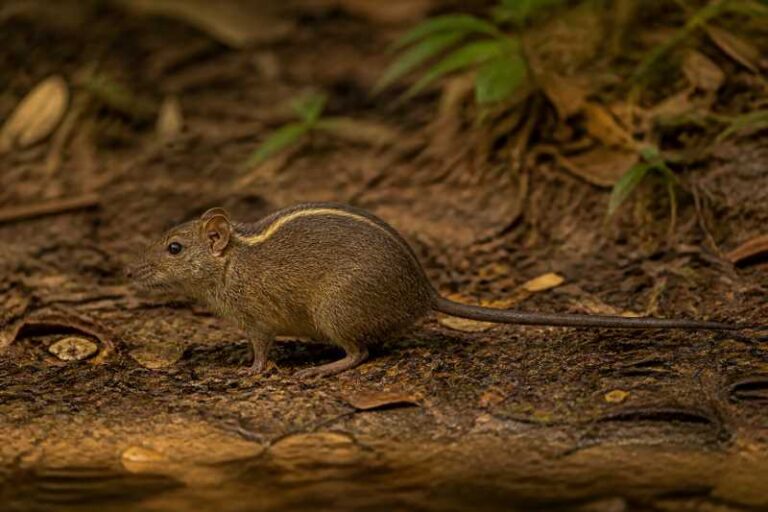
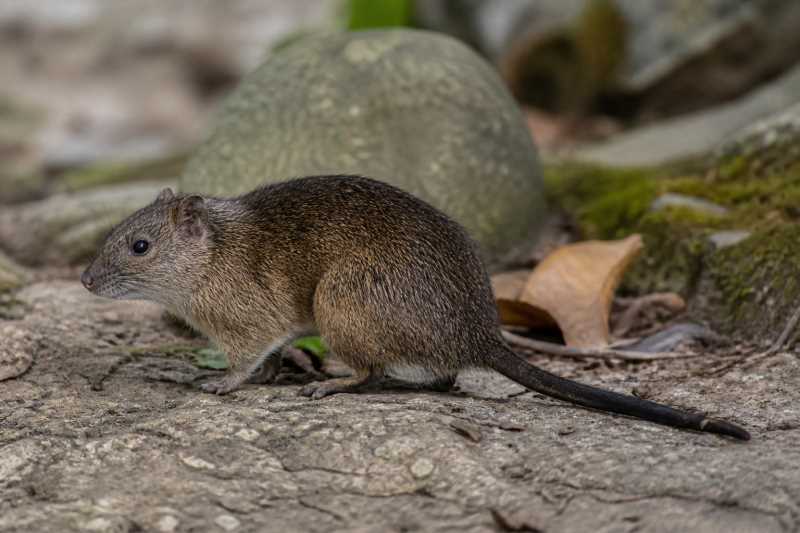
The fur of the Salokko Rat is predominantly dark gray or brown, providing excellent camouflage against the forest floor and tree bark. The underbelly is often lighter, ranging from pale gray to creamy white, which may serve as a counter-shading mechanism. Another notable feature is its large, rounded ears that are not only indicative of its acute hearing but also assist in thermoregulation.
The Salokko Rat’s eyes are relatively large, adapted for its nocturnal lifestyle, allowing it to see efficiently in low-light conditions. Its whiskers, or vibrissae, are highly sensitive, playing a crucial role in tactile navigation and environmental sensing. The incisors of the Salokko Rat are strong and continuously growing, adapted for gnawing through tough plant material and seeds.
Range and Habitat
The Salokko Rat is endemic to the island of Sulawesi, making it a species of particular interest for biogeographical studies. Sulawesi, known for its unique evolutionary history and high degree of endemism, provides a diverse range of habitats, from lowland rainforests to montane forests, where the Salokko Rat thrives.
Primarily, the Salokko Rat inhabits the dense, humid forests that blanket the island’s rugged terrain. It prefers areas with abundant undergrowth and fallen logs, which offer shelter and foraging opportunities. These forests provide a complex structure that the Salokko Rat expertly navigates, utilizing both the ground and lower canopy for its daily activities.
The rat’s habitat is characterized by high biodiversity, with numerous tree species, shrubs, and a rich understorey. Such environments not only support the rat’s dietary needs but also offer protection from predators. However, these habitats are increasingly under threat from human activities, which we will explore further in the conservation section.
Behavior and Diet
The Salokko Rat exhibits nocturnal behavior, being most active during the night when it forages for food and engages in social activities. This nocturnal lifestyle is likely an adaptation to avoid daytime predators and the intense heat of the tropical sun.
Socially, the Salokko Rat is believed to be a solitary creature, although it may exhibit social behaviors during the breeding season. Communication among individuals is likely through a combination of vocalizations, scent marking, and behavioral displays.
The diet of the Salokko Rat is omnivorous, consisting of a variety of plant materials, seeds, fruits, and small invertebrates. This dietary flexibility allows it to exploit a wide range of food resources, which is advantageous given the seasonal variability of the forest environment. The rat’s strong incisors are particularly adept at cracking open hard seeds and nuts, a staple in its diet.
Identification Tips (Field Recognition Cues)
Identifying the Salokko Rat in the wild can be challenging due to its elusive nature and the dense forest environment it inhabits. However, certain field recognition cues can aid in its identification:
- Size and Shape: Look for a medium-sized rodent with a robust body and a long, slender tail.
- Coloration: Note the dark gray or brown fur on the back and lighter underbelly.
- Ears and Eyes: Large, rounded ears and prominent eyes are key features to observe.
- Behavior: Nocturnal activity, often heard rustling in the underbrush or climbing low branches at night.
- Habitat: Found in dense, humid forests with rich undergrowth and abundant leaf litter.
Conservation Status (With Threats and Protections)
Currently, the Salokko Rat is classified as Data Deficient by the International Union for Conservation of Nature (IUCN), primarily due to a lack of comprehensive data on its population trends and distribution. However, the species faces several threats that could impact its survival.
Threats
- Habitat Destruction: Deforestation for agriculture, logging, and human settlement is the most significant threat to the Salokko Rat, leading to habitat fragmentation and loss.
- Climate Change: Changes in weather patterns can alter the delicate balance of the rainforest ecosystem, affecting food availability and habitat conditions.
- Predation: Introduction of non-native predators, such as domestic cats and dogs, poses a risk to the Salokko Rat population.
Protections
Efforts to conserve the Salokko Rat and its habitat include:
- Protected Areas: Establishment of national parks and reserves in Sulawesi to preserve critical habitats.
- Conservation Programs: Initiatives to study and monitor the species’ population dynamics and habitat use.
- Community Engagement: Educating local communities on the importance of biodiversity and sustainable land use practices.
Frequently Asked Questions
What is the natural habitat of the Salokko Rat?
The Salokko Rat naturally inhabits the dense, humid forests of Sulawesi, Indonesia. These forests, rich in biodiversity, provide the ideal environment with ample food sources and shelter.
How can I identify a Salokko Rat in the wild?
Look for a medium-sized rodent with dark gray or brown fur, a lighter underbelly, large ears, and a long tail. Active mostly at night, they are often found in forested areas with thick undergrowth.
What threats does the Salokko Rat face?
The Salokko Rat faces threats primarily from habitat destruction due to deforestation, climate change, and predation by introduced species. Conservation efforts are crucial for its survival.
Why is the Salokko Rat important to its ecosystem?
As an omnivore, the Salokko Rat plays a vital role in seed dispersal and controlling insect populations, contributing to the ecological balance of its forest habitat.
Are there conservation efforts in place for the Salokko Rat?
Yes, conservation efforts include establishing protected areas, conducting research on its population, and engaging local communities in sustainable practices to preserve its habitat.
Related posts