Introduction
The Brahman White-bellied Rat, scientifically known as Niviventer brahma, is a fascinating mammal species that belongs to the Muridae family. Known for its distinctive white belly and adaptable nature, this rodent plays a crucial role in its ecosystem. This article delves into the various aspects of this species, from its physical characteristics to its behavior, habitat, and conservation status.
Physical Description
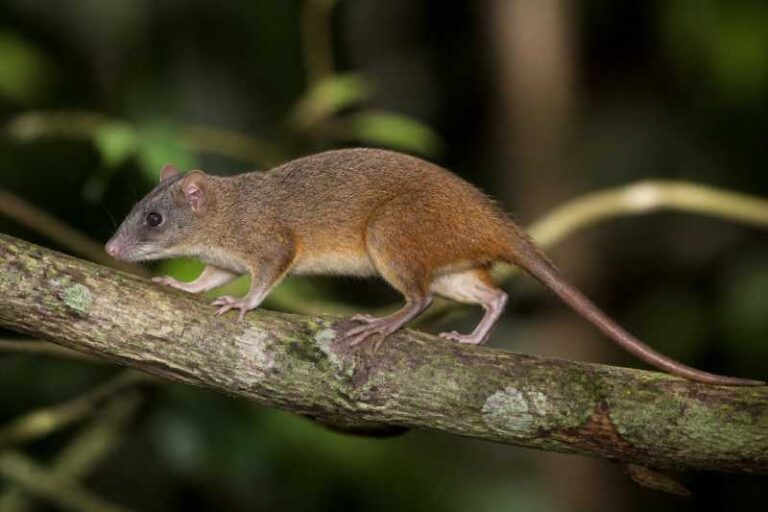
The Brahman White-bellied Rat is a medium-sized rodent characterized by its unique coloration. It features a soft, dense fur coat with a striking contrast between the darker dorsal side and a white underbelly. The overall coloration ranges from a light brown to a dark grey on the back, while the belly remains distinctly white, which helps in identification. The ears are relatively large and rounded, and the eyes are prominent, indicating its nocturnal lifestyle. The tail of this rat is long, often exceeding the length of its body, and is covered with fine hairs. Adult rats typically weigh between 50 to 100 grams and measure about 15 to 20 centimeters in body length, excluding the tail.
Range and Habitat
Niviventer brahma is primarily found in the subtropical and tropical regions of Southeast Asia. Its range extends across countries such as India, Myanmar, Thailand, and parts of China. This species thrives in a variety of habitats, including deciduous forests, evergreen forests, and even agricultural lands. It prefers areas with dense vegetation that provide ample cover and food resources. These rats are adept climbers and often inhabit the understory of forests, making use of both ground and arboreal environments.
Behavior and Diet
The Brahman White-bellied Rat is predominantly nocturnal, being most active during the night when it forages for food. Its diet is omnivorous, consisting of seeds, fruits, small invertebrates, and occasionally, bird eggs. This dietary flexibility allows it to adapt to various environmental conditions and food availability. Socially, these rats are known to be solitary or live in small family groups. They communicate through vocalizations and scent markings, which play a crucial role in territory establishment and mating.
Identification Tips (field recognition cues)
Identifying the Brahman White-bellied Rat in the field can be a rewarding experience for wildlife enthusiasts. Here are some key identification tips:
- Coloration: Look for the distinctive white belly contrasted with a darker back, ranging from light brown to dark grey.
- Size: Note the medium body size with a body length of 15 to 20 centimeters, excluding the tail.
- Tail: The tail is notably long and slender, often longer than the body, and is covered with fine hairs.
- Habitat: These rats are often found in dense vegetation in subtropical and tropical forests.
Conservation Status (with threats and protections)
Currently, the Brahman White-bellied Rat is listed as of "Least Concern" on the IUCN Red List. This classification is due to its wide range and presumed large population. However, certain threats could impact its populations in the future. Habitat destruction due to logging, agricultural expansion, and urbanization poses significant risks. Additionally, the use of pesticides in agricultural areas can negatively affect their food sources and health.
Conservation efforts for this species include habitat protection and sustainable forestry practices. Continued monitoring of populations and habitat conditions is essential to ensure that the species remains out of danger.
Frequently Asked Questions
1. What does the Brahman White-bellied Rat eat?
The Brahman White-bellied Rat has an omnivorous diet that includes seeds, fruits, small invertebrates, and sometimes bird eggs. Its dietary flexibility allows it to adapt to various environments.
2. Where can I find the Brahman White-bellied Rat?
This species is typically found in the subtropical and tropical regions of Southeast Asia, particularly in countries like India, Myanmar, Thailand, and parts of China. It inhabits dense forests and occasionally agricultural lands.
3. How do Brahman White-bellied Rats communicate?
These rats communicate through vocalizations and scent markings. These communication methods are crucial for establishing territories and mating.
4. Are Brahman White-bellied Rats endangered?
Currently, the Brahman White-bellied Rat is listed as "Least Concern" by the IUCN. However, habitat destruction and agricultural practices pose potential threats to their populations.
5. How can I identify a Brahman White-bellied Rat?
To identify this rat, look for its distinctive white belly, darker dorsal coloration, long tail, and medium body size. It is often found in dense vegetation within its range.
Related posts