Introduction
The ampurta, scientifically known as Dasycercus hillieri, is a fascinating yet elusive small mammal native to the arid regions of Australia. This marsupial is part of the Dasyuridae family, which includes other carnivorous marsupials such as the Tasmanian devil and quolls. The ampurta is particularly intriguing due to its adaptability to harsh desert environments and its nocturnal lifestyle.
The ampurta’s existence is critical for the balance of its ecosystem, where it plays a role as both predator and prey. Understanding this species is not only important for conservation efforts but also for gaining insights into the complex dynamics of desert ecosystems. In this article, we explore the ampurta’s physical characteristics, habitat, behavior, and conservation status, providing a comprehensive overview of this unique marsupial.
Physical Description
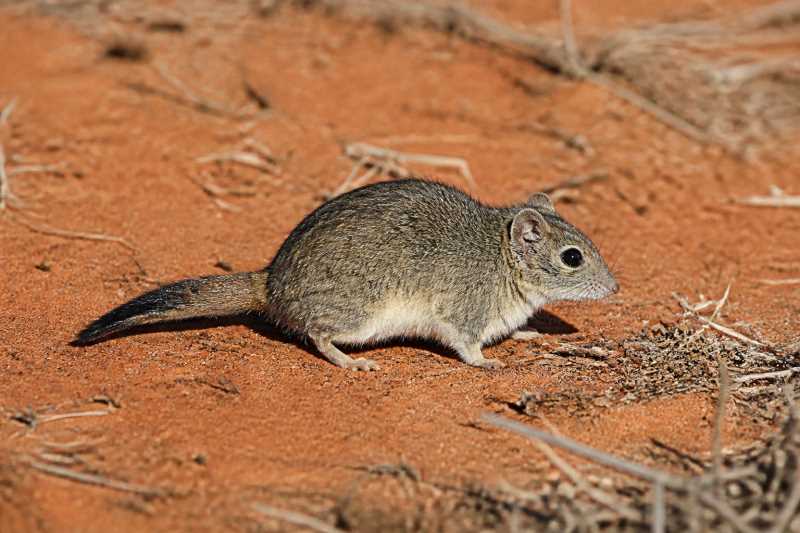
The ampurta is a small to medium-sized marsupial, with adults typically weighing between 30 to 60 grams. It has a body length of about 12 to 16 centimeters, not including its tail, which adds another 8 to 10 centimeters. The ampurta’s fur is generally a sandy or reddish-brown color, providing excellent camouflage against the desert landscape.
One of the most distinctive features of the ampurta is its bushy tail, which is often compared to that of a small fox. The tail is not only an aesthetic feature but also plays a crucial role in the animal’s balance and agility. The ampurta’s ears are relatively large for its size, which enhances its ability to detect the faintest sounds of predators or prey in its environment.
Range and Habitat
Ampurtas are endemic to Australia, predominantly found in the arid interior regions, including the Great Victoria Desert and parts of Western Australia, South Australia, and the Northern Territory. Their habitat is characterized by sandy plains, spinifex grasslands, and scrubland, where they make use of burrows for shelter.
The arid environment of the ampurta’s habitat is marked by extreme temperatures and low rainfall. These conditions have shaped the ampurta’s adaptations, enabling it to thrive in areas where few other mammals can survive. The ability to find shelter in burrows helps the ampurta avoid the hottest parts of the day and conserve moisture.
Behavior and Diet
Ampurtas are nocturnal creatures, spending the daylight hours in cool burrows to escape the searing desert heat. They emerge at night to hunt and forage, relying on their keen senses of smell and hearing to locate prey. Ampurtas are primarily insectivorous, feeding on a diet of beetles, spiders, and other small invertebrates. However, they are opportunistic feeders and may also consume small vertebrates such as lizards and young mice.
The ampurta’s hunting behavior is characterized by stealth and quick, agile movements, which are essential for capturing fast-moving prey. This marsupial is solitary by nature, with individuals occupying and defending their own territories. Mating occurs once a year, with females giving birth to a small litter that they rear alone.
Identification Tips
Identifying an ampurta in the wild can be challenging due to its nocturnal habits and excellent camouflage. However, there are several field recognition cues to assist in identification:
- Size and Shape: Look for a small marsupial with a bushy tail and body length of 12-16 cm.
- Coloration: The sandy or reddish-brown fur helps it blend into the desert environment.
- Behavior: Active at night, often near burrows or spinifex grass, and quick in movement.
- Tracks: Look for small, delicate footprints near burrow entrances or sandy surfaces.
Conservation Status
The conservation status of the ampurta is currently listed as "Near Threatened" on the IUCN Red List. The primary threats to this species include habitat destruction, climate change, and predation by introduced species such as cats and foxes. These factors have led to a decline in population numbers and a reduction in the ampurta’s natural range.
Conservation efforts are underway to protect the ampurta and its habitat. These include the establishment of protected areas, predator control programs, and research initiatives to better understand the species’ ecology and behavior. Public awareness campaigns are also crucial for promoting the importance of conserving this unique marsupial and its desert ecosystem.
Frequently Asked Questions
What is the diet of the ampurta? The ampurta primarily feeds on insects such as beetles and spiders but may also consume small vertebrates like lizards and young mice.
Where can the ampurta be found in Australia? Ampurtas are found in arid regions of Australia, including the Great Victoria Desert, Western Australia, South Australia, and the Northern Territory.
What are the main threats to the ampurta? The main threats include habitat destruction, climate change, and predation by introduced species such as cats and foxes.
How does the ampurta adapt to its environment? The ampurta adapts through nocturnal behavior, burrowing to avoid daytime heat, and a diet that allows it to thrive in arid conditions.
Is the ampurta a social animal? No, the ampurta is solitary, with individuals maintaining their own territories and only coming together for mating purposes.
Related posts