Rupicolous Gerbil (Gerbillus rupicola): A Comprehensive Overview
Introduction
The Rupicolous Gerbil (Gerbillus rupicola) is a lesser-known mammal species that captures the curiosity of wildlife enthusiasts and researchers alike. This small rodent, belonging to the family Muridae, thrives in rocky landscapes and exhibits fascinating adaptations for survival. This article delves into the intricate details of the Rupicolous Gerbil, discussing its physical attributes, natural habitat, diet, behavior, and conservation status.
Physical Description
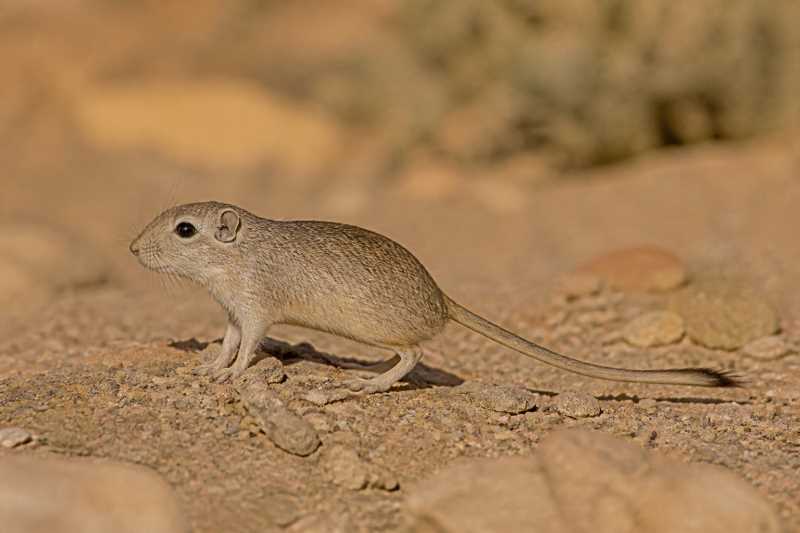
The Rupicolous Gerbil is a diminutive rodent, typically measuring between 8 to 10 centimeters in body length, with a tail that often surpasses its body, extending up to 12 centimeters. Its fur is soft and dense, predominantly sandy or greyish-brown, which provides excellent camouflage against the rocky environments it inhabits. The ventral side is usually lighter, often white or cream-colored. The gerbil’s large, dark eyes and elongated hind legs are characteristic adaptations for night vision and leaping across uneven terrain, respectively. Its ears are relatively small and rounded, reducing heat loss in arid climates.
Range and Habitat
Gerbillus rupicola is predominantly found in the arid and semi-arid regions of North Africa and the Middle East. Its range extends across countries such as Algeria, Libya, Egypt, and parts of Saudi Arabia. The species favors rocky outcrops, cliffs, and gravel plains that offer shelter and protection from predators. These habitats are characterized by sparse vegetation, primarily consisting of hardy shrubs and grasses that can withstand harsh climatic conditions. The gerbil’s ability to navigate rocky terrain with ease makes it an adept climber and jumper, further aiding its survival.
Behavior and Diet
Rupicolous Gerbils are primarily nocturnal creatures, venturing out of their burrows during the night to forage for food. This behavior helps them avoid the scorching daytime temperatures typical of their natural habitats. They are solitary animals, except during the mating season when males and females come together. Their diet mainly consists of seeds, grains, and occasionally insects, providing the necessary nutrients and moisture required for survival in dry environments. The gerbils have cheek pouches that they use to carry food back to their burrows, where they store it for later consumption.
Identification Tips (Field Recognition Cues)
Identifying Rupicolous Gerbils in the wild requires keen observation and an understanding of their distinctive features:
- Tail Length: The Rupicolous Gerbil’s tail is notably long, often longer than its body, and ends in a small tuft of hair.
- Coloration: Look for a sandy or greyish-brown coloration that blends with the rocky surroundings.
- Movement: These gerbils are agile, displaying a hopping movement similar to that of kangaroo rats.
- Activity Timing: Spotting them is more likely at dusk or during the night due to their nocturnal habits.
Conservation Status (With Threats and Protections)
Currently, the Rupicolous Gerbil is classified as Least Concern by the International Union for Conservation of Nature (IUCN). Despite this seemingly secure status, the species faces potential threats from habitat destruction and climate change. As human activities continue to encroach on their natural habitats, the availability of suitable living conditions diminishes. Conservation efforts focus on habitat preservation and mitigating the impact of agricultural expansion and urban development.
Frequently Asked Questions
What adaptations help the Rupicolous Gerbil survive in arid environments?
The Rupicolous Gerbil has several adaptations that aid its survival, including nocturnal behavior to avoid daytime heat, efficient water conservation mechanisms, and fur coloration that provides camouflage.
How does the Rupicolous Gerbil’s diet sustain it in harsh conditions?
The gerbil’s diet of seeds and grains is rich in nutrients and moisture, which are crucial for survival in arid climates. Their cheek pouches allow them to transport and store food efficiently.
Are Rupicolous Gerbils social animals?
Rupicolous Gerbils are generally solitary, except during mating seasons. They maintain individual burrows and primarily interact with others for reproduction purposes.
What is the primary threat to the Rupicolous Gerbil’s habitat?
The primary threats include habitat destruction due to human encroachment, agricultural expansion, and climate change, which alter their arid and semi-arid habitats.
Can Rupicolous Gerbils be kept as pets?
While they are fascinating creatures, Rupicolous Gerbils are not commonly kept as pets due to their specific habitat and dietary needs, which are challenging to replicate in captivity.
Related posts