The Majestic Gurney’s Eagle: An In-Depth Exploration
In the world of avian wonders, Gurney’s Eagle (Aquila gurneyi) stands as a remarkable testament to nature’s artistry. With its commanding presence and striking features, this bird of prey captures the imagination of ornithologists and nature enthusiasts alike. This article delves into the characteristics, habitat, behavior, and conservation efforts surrounding Gurney’s Eagle, providing a comprehensive understanding of this magnificent raptor.
Taxonomy and Appearance
Gurney’s Eagle belongs to the Accipitridae family, which encompasses a diverse range of birds of prey, including hawks, eagles, and kites. Identified scientifically as Aquila gurneyi, this eagle was named in honor of the British ornithologist John Henry Gurney. Its classification within the genus *Aquila* places it among some of the most powerful and iconic eagles in the world.
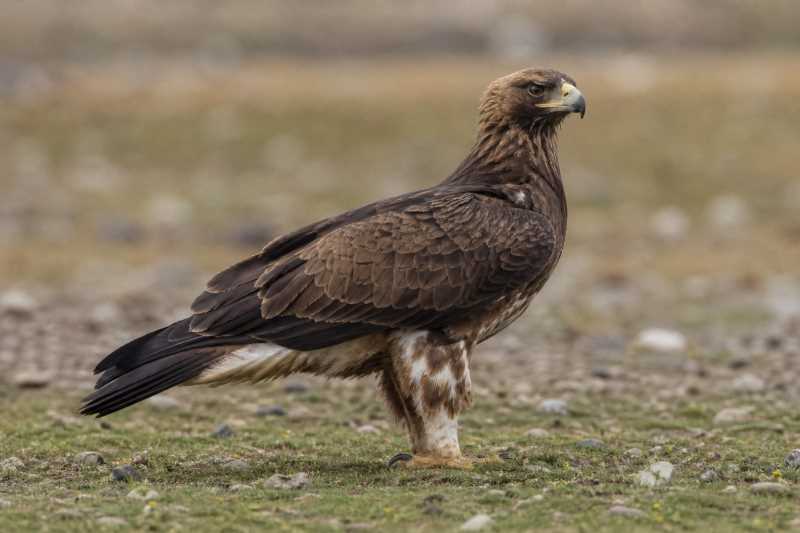
Visually, Gurney’s Eagle is a spectacle to behold. Adults typically exhibit a striking dark brown plumage, contrasted by a lighter underbelly. The head is adorned with a pale crown, and the bird’s piercing eyes are a rich yellow, providing an intense gaze that is both captivating and intimidating. Its robust beak and sharp talons are well-adapted for hunting, making it a formidable predator in its ecosystem. With a wingspan that can stretch over 1.8 meters (approximately 6 feet), Gurney’s Eagle commands the skies with grace and authority.
Habitat and Distribution
Gurney’s Eagle is predominantly found in the Australasian region, with its range extending across parts of Indonesia and Papua New Guinea. Its preferred habitats include tropical and subtropical forests, where it can be found soaring high above the canopy or perched on tall trees in search of prey.
Despite its impressive range, the eagle’s habitat is under threat due to deforestation and land conversion for agriculture. These environmental pressures have led to a fragmentation of its natural territory, forcing the bird to adapt to increasingly isolated patches of forest.
Behavior and Diet
Gurney’s Eagle is a solitary creature, often seen patrolling its territory alone or with a mate. It is a diurnal hunter, using its keen eyesight to spot potential prey from great distances. The eagle’s diet primarily consists of small mammals, birds, and reptiles, which it captures with swift and precise attacks.
During the breeding season, Gurney’s Eagle engages in elaborate courtship displays, characterized by aerial acrobatics and vocalizations. These displays strengthen pair bonds and ensure the selection of a compatible mate. Nests are typically constructed high in the trees, providing a safe haven for raising their young away from potential ground-based predators.
Conservation Status and Efforts
The conservation status of Gurney’s Eagle is currently listed as Near Threatened by the International Union for Conservation of Nature (IUCN). This classification reflects the ongoing challenges faced by the species, primarily due to habitat loss and human encroachment. The decline in suitable nesting sites and food availability poses a significant risk to the eagle’s long-term survival.
Conservation efforts aimed at protecting Gurney’s Eagle focus on preserving its natural habitat and mitigating the impact of human activities. Initiatives include the establishment of protected areas, reforestation projects, and community engagement programs to raise awareness about the importance of biodiversity conservation.
The Cultural Significance of Gurney’s Eagle
Beyond its ecological importance, Gurney’s Eagle holds cultural significance for indigenous communities in its native range. Many local traditions and folklore feature the eagle as a symbol of strength and freedom, reflecting its revered status in the natural world. These cultural connections underscore the importance of preserving not only the species but also the rich heritage associated with it.
Conclusion
Gurney’s Eagle is a testament to the intricate balance of nature, embodying both the beauty and fragility of our planet’s biodiversity. As a symbol of power and grace, this majestic bird of prey continues to inspire awe and admiration. However, its future hangs in the balance, reliant on concerted conservation efforts and a collective commitment to preserving the natural world.
By understanding and addressing the challenges faced by Gurney’s Eagle, we contribute to safeguarding the ecological legacy of our planet, ensuring that future generations can marvel at the grandeur of this remarkable species.
Related posts