Mount Kilimanjaro Vlei Rat (Otomys zinki): An In-depth Look
Introduction
The Mount Kilimanjaro Vlei Rat, scientifically known as Otomys zinki, is a fascinating rodent species endemic to the high-altitude regions of Mount Kilimanjaro in Tanzania. This small mammal plays a critical role in the ecosystem, contributing to the biodiversity of the area. In this comprehensive article, we explore the various aspects of the Mount Kilimanjaro Vlei Rat, including its physical characteristics, habitat, behavior, and conservation status.
Physical Description
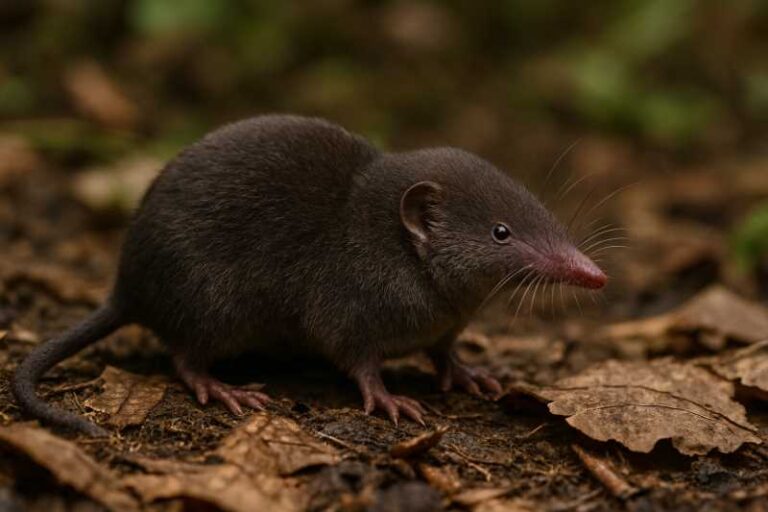
The Mount Kilimanjaro Vlei Rat is a medium-sized rodent with distinct physical features that make it easily recognizable. It has a robust body, typically measuring between 120 to 150 mm in length, excluding the tail. The tail itself is relatively short, approximately half the length of its body, a characteristic trait of the vlei rat genus.
The fur of the vlei rat is dense and woolly, providing insulation against the cold temperatures of its mountainous habitat. The coloration of the fur is generally a mix of gray and brown, with darker shades on the back and lighter hues on the belly, aiding in camouflage against the rocky and grassy terrain.
The vlei rat has a blunt muzzle with large, rounded ears that are covered in short fur. Its eyes are small and adapted to the dim light of its habitat, and its legs are short but powerful, enabling it to navigate the uneven terrain of Mount Kilimanjaro with ease.
Range and Habitat
Otomys zinki is endemic to the alpine and subalpine zones of Mount Kilimanjaro. This species is confined to altitudes of approximately 3,000 to 4,000 meters above sea level, where it inhabits grasslands, moorlands, and heathlands. These areas provide a unique ecosystem where the vlei rat can thrive.
The habitat of the Mount Kilimanjaro Vlei Rat is characterized by its harsh climatic conditions, with significant temperature fluctuations between day and night. The vegetation is sparse but includes a variety of grasses and low shrubs, which are crucial for the rat’s survival, providing both food and shelter.
Behavior and Diet
The Mount Kilimanjaro Vlei Rat is primarily nocturnal, spending its nights foraging for food and its days resting in burrows or under dense vegetation. Its diet consists mainly of grasses, herbs, and other vegetation found in its alpine habitat. It has adapted to efficiently process fibrous plant material, which is abundant in its environment.
Socially, the vlei rat is relatively solitary, though it may be seen in small groups during the breeding season or when resources are plentiful. It communicates through a series of high-pitched squeaks and whistles, particularly during mating rituals or when alarmed.
Identification Tips (field recognition cues)
Identifying the Mount Kilimanjaro Vlei Rat in the field requires keen observation of its distinct features and behavior:
- Look for a medium-sized rodent with dense, woolly fur.
- Note the coloration: grayish-brown with a lighter belly.
- Observe the habitat: these rats are found in high-altitude grasslands and moorlands.
- Listen for high-pitched squeaks, especially at night.
- Spot the short tail and small, rounded ears as distinctive traits.
Conservation Status (with threats and protections)
The Mount Kilimanjaro Vlei Rat is currently listed as a species of least concern by the International Union for Conservation of Nature (IUCN). However, its habitat is under various threats that could impact its populations in the future.
The primary threats to its habitat include climate change, which alters the delicate balance of the alpine ecosystem, and human activities such as agriculture and tourism expansion at lower altitudes. Furthermore, changes in vegetation due to invasive plant species can disrupt the food sources and shelter available to the vlei rat.
Conservation efforts are underway to monitor the population dynamics of the vlei rat and protect its habitat. Mount Kilimanjaro is a UNESCO World Heritage Site, which offers some level of protection, but ongoing efforts are needed to mitigate the impact of climate change and human activities.
Frequently Asked Questions
What is the primary diet of the Mount Kilimanjaro Vlei Rat?
The Mount Kilimanjaro Vlei Rat mainly feeds on grasses, herbs, and other vegetation found in its high-altitude habitat. It has a specialized digestive system to process fibrous plant material.
Where can the Mount Kilimanjaro Vlei Rat be found?
This species is endemic to Mount Kilimanjaro in Tanzania, specifically residing in the alpine and subalpine zones at altitudes of 3,000 to 4,000 meters.
How can I identify a Mount Kilimanjaro Vlei Rat?
Look for a medium-sized rodent with dense, grayish-brown woolly fur and a short tail. They’re typically found in high-altitude grasslands and moorlands.
What are the main threats to the Mount Kilimanjaro Vlei Rat?
The main threats include climate change, which affects their alpine habitat, and human activities such as agriculture and tourism expansion, as well as invasive plant species.
Are there any conservation efforts for the Mount Kilimanjaro Vlei Rat?
Yes, conservation efforts focus on habitat protection and monitoring population dynamics. Mount Kilimanjaro’s status as a UNESCO World Heritage Site also helps in safeguarding its environment.
Related posts