The Galapagos Petrel: A Conservation Priority
The Galapagos Petrel, scientifically known as Pterodroma phaeopygia, is an intriguing seabird species endemic to the Galapagos Islands. With its unique adaptations and critical conservation status, this bird has captured the attention of ornithologists and environmentalists worldwide.
Description and Identification
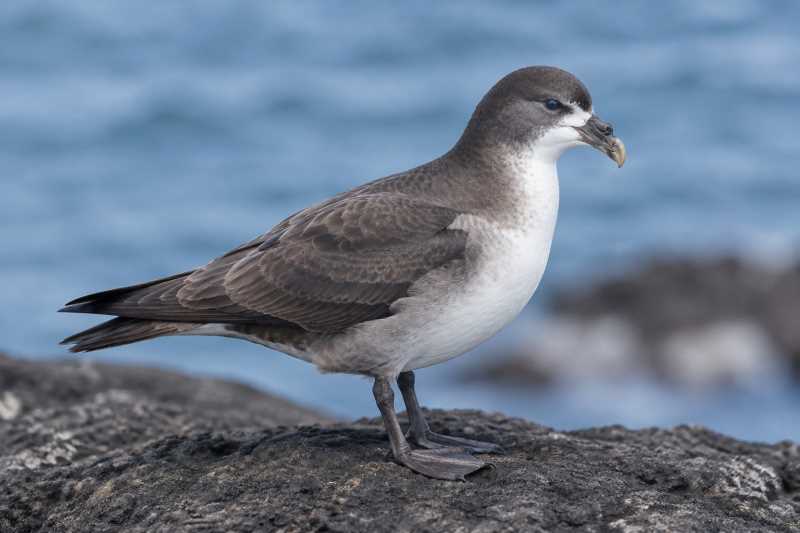
The Galapagos Petrel is a medium-sized seabird characterized by its long, slender wings and a distinctive black-and-white plumage. Adults typically weigh between 250-350 grams and have a wingspan of approximately one meter. The upper parts are predominantly dark gray to black, with a contrasting white underbelly. This coloration provides camouflage against the ocean backdrop when viewed from above and below.
A notable feature of the Galapagos Petrel is its ability to glide effortlessly over the ocean for extended distances. Its flight is characterized by swift, graceful movements, often described as a "shearwater" style, allowing it to cover vast areas in search of food.
Habitat and Distribution
The Galapagos Petrel is uniquely adapted to life in the Galapagos archipelago. It primarily breeds on the larger islands, including Santa Cruz, Floreana, Santiago, and San Cristóbal. The bird nests in burrows or natural cavities in the highland areas, where the cooler, mist-laden environment provides an ideal microclimate.
Outside the breeding season, the Galapagos Petrel is pelagic, spending much of its life at sea. It is believed to range widely across the Pacific Ocean, yet its precise non-breeding distribution remains poorly understood.
Diet and Foraging Behavior
Like many seabirds, the Galapagos Petrel is a proficient hunter, feeding primarily on squid, fish, and crustaceans. It employs a nocturnal foraging strategy, often traveling significant distances from its breeding sites to rich feeding grounds. This nocturnal behavior reduces competition and predation risk while maximizing feeding efficiency.
Breeding and Lifecycle
The breeding season of the Galapagos Petrel typically occurs between March and October, with variation based on environmental conditions. Nesting in burrows, the species exhibits high site fidelity, often returning to the same nesting site each year.
A single egg is laid per breeding cycle, which both parents incubate for approximately 50 days. Upon hatching, the chick is fed regurgitated prey by both parents until it fledges about 90 days later. The long incubation and fledging periods reflect the bird’s adaptation to a stable, albeit limited, resource environment.
Conservation Status and Threats
The Galapagos Petrel is classified as Critically Endangered by the International Union for Conservation of Nature (IUCN). Its population has faced significant declines due to habitat loss, introduced predators, and human disturbances.
Invasive species such as rats, cats, and pigs pose substantial threats by preying on eggs and chicks. Additionally, the destruction and alteration of highland nesting habitats due to agriculture and urban development have further exacerbated population pressures.
Conservation Efforts
Efforts to conserve the Galapagos Petrel have been ongoing, focusing on habitat restoration, predator control, and public education. The Galapagos National Park, in collaboration with conservation organizations, has implemented programs to eradicate invasive species and protect critical nesting areas.
Community engagement is vital in conservation efforts, with initiatives to raise awareness among local residents and promote sustainable land-use practices. Continued research is also essential to monitor populations and understand the species’ ecology better.
Conclusion
The Galapagos Petrel is a symbol of the unique biodiversity of the Galapagos Islands. Its plight underscores the broader challenges faced by island species worldwide. Through concerted conservation efforts and increased awareness, there is hope for the recovery and preservation of this remarkable seabird.
Understanding and protecting the Galapagos Petrel is not just about preserving a single species but maintaining the ecological integrity of one of the world’s most extraordinary natural laboratories.
As we move forward, the story of the Galapagos Petrel will continue to inspire those dedicated to the conservation of our planet’s most vulnerable species.
Related posts