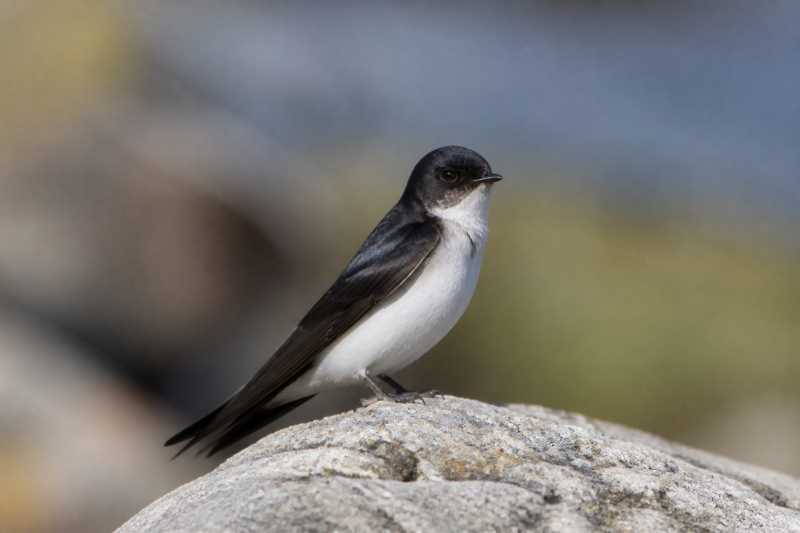
The Andean Swallow: A High-Altitude Acrobat
The Andean swallow, scientifically known as Orochelidon andecola, is a remarkable avian species that captures the imagination of bird enthusiasts and ornithologists alike. This small bird is a member of the family Hirundinidae and is renowned for its adaptability to the high-altitude environments of the Andes Mountains in South America. In this article, we delve into the fascinating world of the Andean swallow, exploring its habitat, behavior, and the role it plays in its ecosystem.
Habitat and Distribution
The Andean swallow is primarily found in the high-altitude regions of the Andes, spanning countries such as Colombia, Ecuador, Peru, Bolivia, and Chile. This bird thrives in montane environments, typically ranging from 1,500 to 4,000 meters above sea level. Its preference for open areas near bodies of water, such as rivers and lakes, is a testament to its adaptability to the often harsh and changeable climatic conditions of the Andes.
Interestingly, the Andean swallow can also be found in cultivated lands and pastures, where its presence is a common sight. This adaptability to various habitats underscores the bird’s resilience and ability to thrive in both natural and human-altered landscapes.
Physical Characteristics
The Andean swallow is a small bird, measuring approximately 12 to 14 centimeters in length, with a wingspan of around 30 centimeters. Its plumage is characterized by a distinctive combination of colors: a dark blue-green upper body and a contrasting white or light gray underside. This coloration not only aids in camouflage against predators but also plays a role in thermoregulation, helping the bird maintain its body temperature in the cooler temperatures of its high-altitude habitat.
The swallow’s wings are long and pointed, an adaptation that allows for agile and efficient flight. This is complemented by its forked tail, which provides stability and maneuverability during flight. The Andean swallow’s beak is short and wide, perfectly suited for catching insects mid-air, which forms the bulk of its diet.
Behavior and Diet
Insectivorous by nature, the Andean swallow plays a crucial role in controlling insect populations in its ecosystem. Its diet mainly consists of flying insects, such as flies, beetles, and moths, which it captures with precision while on the wing. The bird’s aerial acrobatics are a sight to behold, as it deftly maneuvers through the air in pursuit of its prey.
Social by nature, Andean swallows are often observed in flocks, especially outside the breeding season. These flocks provide safety in numbers, reducing the risk of predation. The birds communicate with a series of high-pitched calls, which serve both to maintain group cohesion and to alert each other to potential threats.
Breeding and Nesting
Breeding typically occurs during the warmer months, from October to February, when insect abundance is at its peak. The Andean swallow is a cavity nester, often utilizing natural crevices in cliffs, man-made structures, or abandoned nests of other birds. In some cases, they may also dig tunnels into earthen banks to create their nests.
The female lays a clutch of two to four eggs, which she incubates for approximately two weeks. Both parents are involved in feeding the chicks, which fledge around three weeks after hatching. This cooperative breeding strategy ensures high survival rates for the young swallows, which must quickly learn to fend for themselves in the challenging high-altitude environment.
Conservation Status and Threats
Currently, the Andean swallow is not considered to be at risk, categorized as Least Concern by the International Union for Conservation of Nature (IUCN). However, like many other bird species, it faces threats from habitat loss and climate change. Deforestation and agricultural expansion can lead to the degradation of its natural habitat, while rising temperatures and altered weather patterns may impact its food sources and breeding success.
Conservation efforts aimed at preserving high-altitude ecosystems and promoting sustainable land use practices are vital to ensuring the long-term survival of the Andean swallow. Public awareness and education programs can also play a significant role in highlighting the importance of this species and its ecological contributions.
The Andean Swallow’s Ecological Role
The Andean swallow is an integral part of its ecosystem, contributing to the balance of insect populations and serving as prey for larger birds and mammals. Its presence is an indicator of the health of high-altitude environments, where it plays a vital role in maintaining ecological equilibrium.
In summary, the Andean swallow is a testament to nature’s adaptability and resilience. Its ability to thrive in the challenging conditions of the Andes Mountains, coupled with its role in its ecosystem, makes it a subject of ongoing interest and study. As we continue to explore the intricacies of this remarkable bird, we gain valuable insights into the interconnectedness of life in one of the world’s most unique and dynamic environments.
Related posts