The Enigmatic Philippine Nightjar: A Silent Sentinel of the Night
The Philippine Nightjar (Caprimulgus manillensis) is an elusive avian species that has intrigued ornithologists and bird enthusiasts alike. With its enigmatic behavior and cryptic appearance, this bird is a true marvel of the night skies across the Philippine archipelago. In this article, we delve into the fascinating world of the Philippine Nightjar, exploring its habitat, behavior, and the conservation efforts aimed at preserving this unique species.
Habitat and Distribution
The Philippine Nightjar is endemic to the Philippines, which means it is found nowhere else in the world. Its distribution spans several islands, including Luzon, Mindanao, and Palawan, as well as smaller islands within the archipelago. This bird prefers lowland forests, open woodlands, and occasionally, agricultural areas where it can find its preferred food sources.
One of the most remarkable aspects of the Philippine Nightjar’s habitat is its adaptability. While it predominantly resides in forested areas, the bird is known to thrive in human-modified landscapes, such as plantations and gardens, as long as these areas provide adequate cover and feeding opportunities. This adaptability is crucial for its survival, especially in regions where deforestation and habitat loss are prevalent.
Physical Characteristics
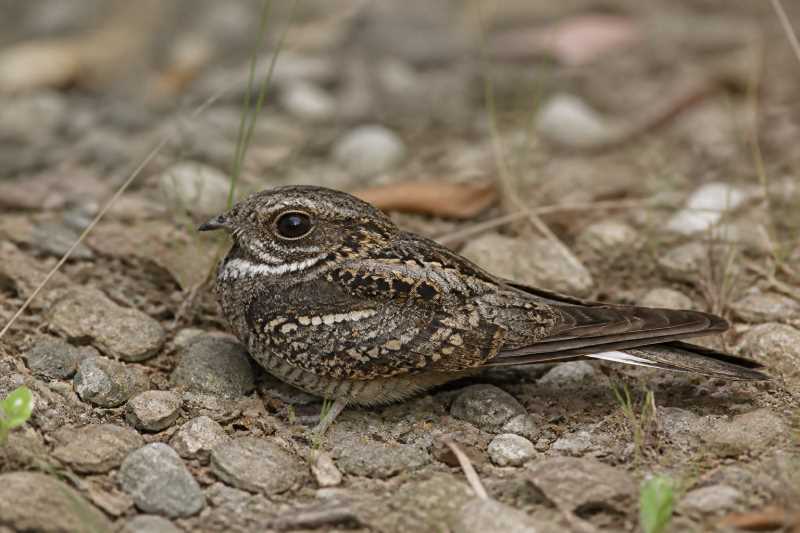
The Philippine Nightjar is a medium-sized bird, measuring approximately 25 centimeters in length. Its plumage is a masterclass in camouflage, featuring a mottled pattern of browns, grays, and blacks that allows it to blend seamlessly with its surroundings. This cryptic coloration is essential for avoiding predators during daylight hours when the bird is at rest.
The nightjar’s large eyes are adapted for nocturnal vision, enabling it to hunt effectively in low-light conditions. Its wide, gaping mouth is fringed with bristles that help capture flying insects, its primary source of food. The Philippine Nightjar’s distinct call, a series of soft, rhythmic "chow-chow-chow" sounds, is often heard during the breeding season, echoing through the night as a testament to its presence.
Behavior and Diet
As a nocturnal species, the Philippine Nightjar is most active during the twilight hours of dawn and dusk. It spends its days roosting on the ground or perched on low branches, relying on its camouflage to remain undetected. When night falls, the bird takes to the sky in search of prey.
The diet of the Philippine Nightjar consists predominantly of insects, including moths, beetles, and other flying invertebrates. Using a technique known as "hawking," the bird captures its prey in mid-air with remarkable precision. This hunting strategy, combined with its agile flight, makes the nightjar an efficient predator in its nocturnal habitat.
Reproduction and Lifespan
Breeding typically occurs from March to June, coinciding with the onset of the rainy season in many parts of the Philippines. The female nightjar lays her eggs directly on the ground, often choosing bare soil or leaf litter as a nest site. This choice of nesting location further emphasizes the importance of camouflage for both the eggs and the incubating female.
The Philippine Nightjar exhibits a relatively low reproductive rate, with females usually laying just one or two eggs per clutch. Once hatched, the chicks are precocial, meaning they are relatively mature and mobile, although they remain dependent on their parents for food and protection.
Conservation Status and Efforts
The Philippine Nightjar is currently listed as "Least Concern" on the IUCN Red List, indicating that it is not immediately at risk of extinction. However, ongoing threats such as habitat destruction, deforestation, and climate change pose significant challenges to its long-term survival.
Conservation efforts for the Philippine Nightjar focus on habitat preservation and restoration. Several organizations and local communities are working together to protect critical habitats, promote sustainable land-use practices, and raise awareness about the importance of conserving this unique species. Additionally, research initiatives aimed at understanding the bird’s ecology and behavior are crucial for informing effective conservation strategies.
Conclusion
The Philippine Nightjar is a captivating symbol of the delicate balance that exists within the Philippine ecosystems. Its ability to adapt to changing environments and its reliance on camouflage highlight the intricate connections between species and their habitats. As we continue to face environmental challenges, the conservation of the Philippine Nightjar serves as a reminder of the importance of preserving our natural heritage for future generations.
By fostering greater awareness and appreciation for this remarkable bird, we can ensure that the Philippine Nightjar remains a fixture of the night skies, enchanting all who have the privilege to hear its call.
Related posts