Introduction
The Bare-tailed Tree-rat, scientifically known as *Leiuromys occasius*, is a fascinating yet lesser-known rodent species that inhabits the lush forests of South America. This arboreal mammal is a member of the Echimyidae family, which is commonly referred to as the spiny rat family. Despite its intriguing nature, the Bare-tailed Tree-rat remains an elusive species, prompting researchers and wildlife enthusiasts to delve deeper into its lifestyle and habits.
The species derives its name from its distinctive, bare tail, which sets it apart from other tree-dwelling rodents. As an integral part of the ecosystem, the Bare-tailed Tree-rat plays a crucial role in seed dispersal, contributing to the maintenance of forest biodiversity. However, like many other species, it faces various challenges, including habitat loss and environmental changes.
In this comprehensive article, we will explore the various aspects of the Bare-tailed Tree-rat, from its physical characteristics and natural habitat to its behavior and conservation status.
Physical Description
The Bare-tailed Tree-rat is a medium-sized rodent, typically measuring between 20 to 30 centimeters in body length, excluding the tail, which adds an additional 15 to 25 centimeters. Its weight ranges from 200 to 350 grams, depending on its age and health.
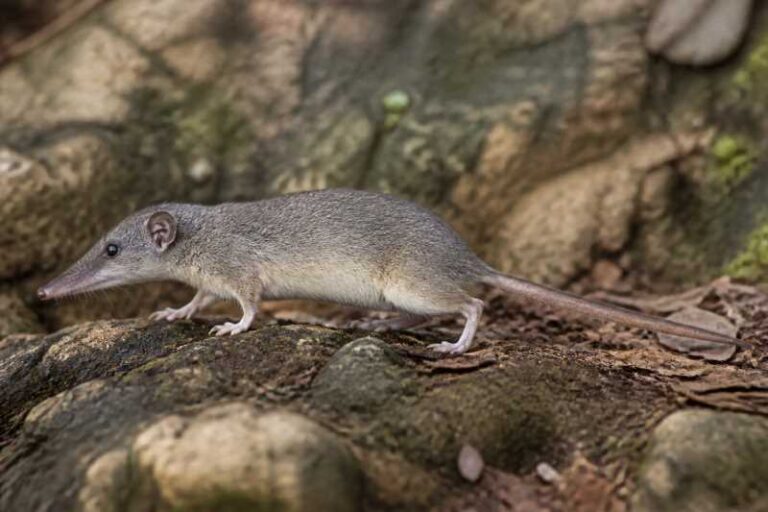
Characterized by its soft, dense fur, the Bare-tailed Tree-rat’s coat is usually a mottled gray-brown, providing excellent camouflage against the tree bark in its natural habitat. Its underbelly tends to be lighter, often a creamy white or pale gray, further aiding in its concealment from predators.
As its name suggests, the Bare-tailed Tree-rat has a unique tail that is sparsely furred and appears almost naked, unlike the bushy tails of other tree-dwelling rodents. This distinctive feature aids in balancing while navigating through the treetops.
The species has large, rounded ears and prominent, dark eyes, which are adaptations for its nocturnal lifestyle. Its sharp claws and strong limbs are perfectly suited for climbing and grasping branches.
Range and Habitat
The Bare-tailed Tree-rat is primarily found in the tropical rainforests of South America. Its range spans several countries, including Brazil, Peru, and Colombia, where it inhabits the dense, humid lowland forests and occasionally ventures into secondary forests and plantations.
This species is highly arboreal, spending most of its life in the upper canopy layers of the forest. The Bare-tailed Tree-rat’s preference for tall trees and dense vegetation provides it with ample food sources and protection from ground-dwelling predators.
The presence of the Bare-tailed Tree-rat is often an indicator of a healthy ecosystem, as it relies on a diverse and abundant plant life for sustenance. Conservation efforts aimed at preserving these forests are crucial for the continued survival of this species.
Behavior and Diet
The Bare-tailed Tree-rat is primarily nocturnal, spending its nights foraging for food and its days resting in tree hollows or nests made of leaves and twigs. Its diet is predominantly herbivorous, consisting of fruits, nuts, seeds, and occasionally, leaves. This diet not only sustains the rodent but also aids in seed dispersal, contributing to forest regeneration.
Known for its solitary nature, the Bare-tailed Tree-rat typically interacts with others of its kind only during the breeding season. It communicates through a series of vocalizations, including chirps and squeaks, which are used to establish territory and attract mates.
Due to its arboreal lifestyle, the Bare-tailed Tree-rat is a skilled climber, using its sharp claws and strong limbs to navigate the forest canopy with agility. Its large eyes and acute hearing make it well-adapted to the low-light conditions of its nocturnal environment.
Identification Tips (Field Recognition Cues)
Identifying the Bare-tailed Tree-rat in the wild can be challenging due to its elusive nature and nocturnal habits. However, there are several field recognition cues that can aid in its identification:
1. Tail Characteristics: Look for the distinctive bare tail, which is a key identifying feature of this species.
2. Size and Coloration: Note the medium-sized body with mottled gray-brown fur and a lighter underbelly.
3. Habitat: Focus on the upper canopy of dense tropical forests during nighttime hours.
4. Behavior: Observe for solitary behavior and nocturnal activity, particularly foraging for fruits and seeds.
5. Vocalizations: Listen for the series of chirps and squeaks, especially during the breeding season.
Conservation Status (With Threats and Protections)
The Bare-tailed Tree-rat is currently classified as “Data Deficient” by the International Union for Conservation of Nature (IUCN), meaning there is insufficient information to make a direct assessment of its risk of extinction. This classification highlights the need for further research to better understand its population trends and threats.
The primary threat to the Bare-tailed Tree-rat is habitat loss due to deforestation and land conversion for agriculture and urban development. These activities reduce the availability of suitable habitats and food sources, posing a significant risk to the species’ survival.
Conservation efforts aimed at preserving tropical rainforests are essential for protecting the Bare-tailed Tree-rat. Initiatives include establishing protected areas, promoting sustainable land-use practices, and conducting research to gather more data on the species.
Frequently Asked Questions
1. What does the Bare-tailed Tree-rat eat?
The Bare-tailed Tree-rat primarily feeds on fruits, nuts, seeds, and occasionally leaves. Its diet plays a crucial role in seed dispersal, contributing to forest regeneration.
2. Where can the Bare-tailed Tree-rat be found?
This species is found in the tropical rainforests of South America, particularly in countries like Brazil, Peru, and Colombia. It inhabits dense, humid lowland forests and occasionally ventures into secondary forests and plantations.
3. Why is the Bare-tailed Tree-rat’s tail bare?
The bare tail of the Bare-tailed Tree-rat serves as an adaptation for its arboreal lifestyle, aiding in balance as it navigates the treetops.
4. How does the Bare-tailed Tree-rat communicate?
The Bare-tailed Tree-rat communicates through vocalizations, including chirps and squeaks. These sounds are used to establish territory and attract mates, especially during the breeding season.
5. What are the main threats to the Bare-tailed Tree-rat?
The primary threats to the Bare-tailed Tree-rat include habitat loss due to deforestation and land conversion for agriculture and urban development. Conservation efforts are crucial to mitigate these threats and protect the species.
Related posts