Omilteme Cottontail (Sylvilagus insonus) Species Overview
Introduction
The Omilteme Cottontail, scientifically known as Sylvilagus insonus, is a rare and elusive species of rabbit native to the mountainous regions of southern Mexico. This species is part of the Leporidae family, which includes hares and rabbits, and it is distinguished by its unique adaptations to its rugged environment. Despite being relatively unknown to the broader public, the Omilteme Cottontail plays a critical role in its ecosystem, contributing to biodiversity and serving as a prey species for various predators. However, due to its restricted range and the anthropogenic pressures it faces, this species is of significant conservation concern.
Physical Description
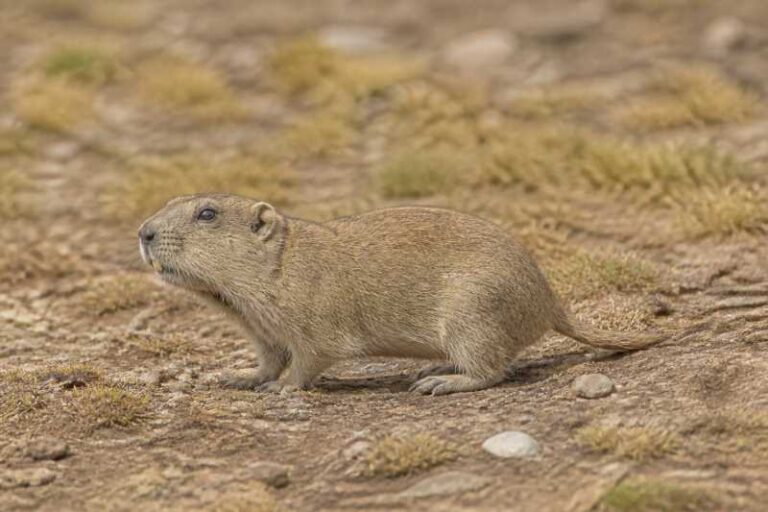
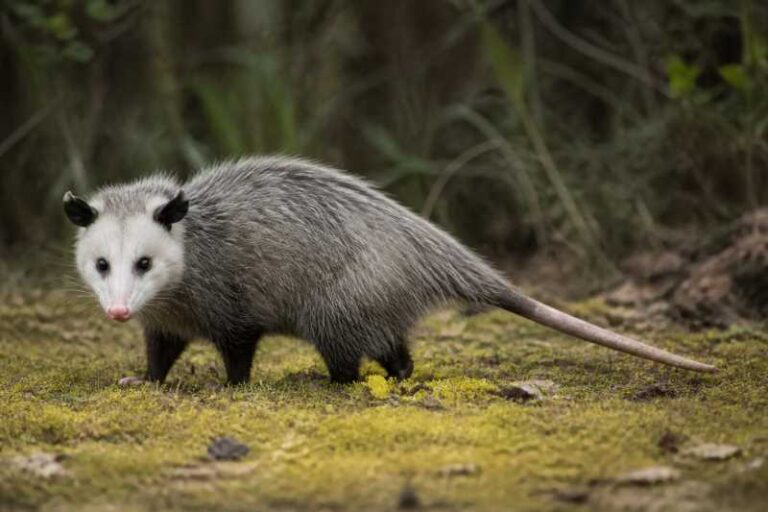
The Omilteme Cottontail is a small to medium-sized rabbit, with adult weights ranging from 1 to 1.5 kilograms. It possesses a dense, soft fur that is generally a mottled gray-brown, providing effective camouflage against the forest floor. Unlike some other species of cottontails, the Omilteme Cottontail has a relatively short tail that is not as prominently white, which helps it blend into its environment. Its ears are moderately sized, enhancing its ability to detect predators. This species also exhibits strong hind legs, which are adapted for quick bursts of speed to escape threats.
Range and Habitat
The Omilteme Cottontail is endemic to the Sierra Madre del Sur mountain range in Guerrero, Mexico. It inhabits montane cloud forests and pine-oak forests, typically at elevations between 2,000 and 3,000 meters. This specific habitat preference makes the species particularly vulnerable to habitat disturbance. The dense undergrowth and rugged terrain of these forests provide essential cover and foraging grounds for the cottontail, which relies on the availability of diverse plant species for sustenance.
Behavior and Diet
The Omilteme Cottontail is primarily nocturnal, with peak activity occurring during the twilight hours of dawn and dusk. This crepuscular behavior minimizes its exposure to predators and extreme weather conditions. The species is solitary, except during the breeding season, and exhibits territorial behaviors. Its diet consists mainly of grasses, herbs, leaves, and bark, reflecting its adaptability to the seasonal availability of food resources in its montane habitat. The cottontail’s foraging habits play a vital role in seed dispersal and vegetation dynamics within its ecosystem.
Identification Tips
Field recognition of the Omilteme Cottontail can be challenging due to its elusive nature and the dense habitat it occupies. However, there are several key identification cues to look for:
- Fur Coloration: Look for a mottled gray-brown coat that blends well with the forest floor.
- Tail: Unlike other cottontail species, the Omilteme Cottontail has a less conspicuous tail, lacking the prominent white underside.
- Ears: Moderately sized, aiding in sound detection but not overly large.
- Behavior: Observations during early morning or late evening are more likely, as this is when the species is most active.
Conservation Status
The Omilteme Cottontail is classified as a critically endangered species by the International Union for Conservation of Nature (IUCN). The primary threats to its survival include habitat loss due to logging, agricultural expansion, and human settlement. These activities not only reduce the available habitat but also fragment the remaining forest, isolating populations and making them more susceptible to extinction.
In response to these threats, conservation efforts are underway to protect and restore its natural habitat. Protected areas have been established to safeguard critical regions of the Sierra Madre del Sur, and there is ongoing research to better understand the species’ ecology and needs. Local community engagement and sustainable land-use practices are also crucial components of conservation strategies.
Frequently Asked Questions
What is the habitat of the Omilteme Cottontail?
The Omilteme Cottontail inhabits montane cloud forests and pine-oak forests in the Sierra Madre del Sur, Guerrero, Mexico. It prefers elevations between 2,000 and 3,000 meters, where dense vegetation provides cover and food sources.
How can I identify an Omilteme Cottontail in the wild?
Key identification features include a mottled gray-brown coat, a less conspicuous tail, moderately sized ears, and activity primarily during dawn and dusk.
Why is the Omilteme Cottontail endangered?
The species is critically endangered due to habitat loss from logging, agriculture, and human settlement. These activities reduce and fragment its habitat, threatening its survival.
What do Omilteme Cottontails eat?
Their diet consists of grasses, herbs, leaves, and bark, reflecting their adaptability to the seasonal availability of food in their montane habitat.
Are there conservation efforts in place for the Omilteme Cottontail?
Yes, conservation efforts include the establishment of protected areas, habitat restoration projects, and initiatives to engage local communities in sustainable land-use practices.
Related posts