The Enigmatic Sangihe Lilac Kingfisher: A Jewel of Indonesia’s Avian World
The Sangihe Lilac Kingfisher (Cittura sanghirensis) is a captivating and rare bird species endemic to the Sangihe Islands in Indonesia. Known for its mesmerizing plumage and elusive nature, this kingfisher is a symbol of the rich biodiversity found in the Indo-Pacific region. As conservationists strive to protect this species from the threats it faces, understanding its habitat, behavior, and conservation status becomes imperative for its survival.
Habitat and Distribution
The Sangihe Lilac Kingfisher is exclusively found on the Sangihe Islands, a small archipelago in the North Sulawesi province of Indonesia. These islands are characterized by lush tropical rainforests, which provide an ideal habitat for this kingfisher. Preferring lowland forests, particularly those near streams and rivers, the bird thrives in dense foliage that offers both food sources and protection from predators.
The Sangihe Islands’ unique geographical isolation has led to the evolution of several endemic species, making the region a critical area for biodiversity. Unfortunately, deforestation and habitat destruction pose significant threats to these habitats, impacting the survival of the Sangihe Lilac Kingfisher and other endemic species.
Physical Characteristics
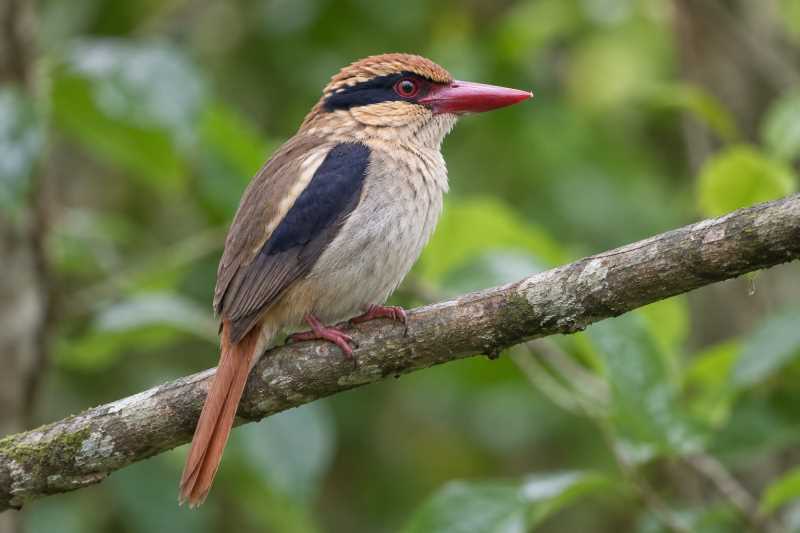
The Sangihe Lilac Kingfisher is a striking bird, notable for its vibrant coloration. It boasts a lilac-blue plumage with an iridescent sheen that catches the light beautifully. The bird’s head, back, and wings are a deep lilac, transitioning into a lighter hue on the underparts. Its long, sharp bill is a vivid red-orange, a stark contrast to its blue feathers, which aids in catching prey.
This kingfisher is medium-sized, measuring approximately 23 centimeters in length. Its robust build and swift flight make it an adept hunter, capable of capturing a variety of prey, including insects, small reptiles, and amphibians.
Behavior and Diet
Despite its vivid appearance, the Sangihe Lilac Kingfisher is a shy and reclusive bird, often heard before it is seen. Its call, a series of sharp, high-pitched whistles, echoes through the forest canopy, serving as a territorial warning to potential intruders.
The diet of the Sangihe Lilac Kingfisher is diverse, reflecting its adaptability within its forest habitat. It primarily feeds on insects, including beetles and grasshoppers, but will also hunt small reptiles, amphibians, and occasionally, small fish. The bird’s keen eyesight and agile flight make it a proficient hunter, capable of snatching prey mid-air or from the forest floor.
Conservation Status and Threats
The Sangihe Lilac Kingfisher is currently classified as ‘Endangered’ on the IUCN Red List. Its population is estimated to be fewer than 2,500 mature individuals, a number that continues to decline due to ongoing threats. The primary threat to the kingfisher is habitat loss, driven by illegal logging, agricultural expansion, and infrastructure development on the Sangihe Islands.
Efforts to conserve the Sangihe Lilac Kingfisher are ongoing, with several local and international organizations working together to protect and restore its habitat. Conservation strategies include advocating for stronger legal protections for the remaining forests, promoting sustainable land-use practices, and raising awareness among local communities about the importance of preserving their unique biodiversity.
In addition, ecotourism has emerged as a potential tool for conservation. By promoting responsible tourism that highlights the region’s natural beauty and unique wildlife, local communities can benefit economically while fostering a culture of conservation.
The Importance of Conservation
Protecting the Sangihe Lilac Kingfisher is not only crucial for preserving a single species but also for maintaining the ecological integrity of the Sangihe Islands. As a part of the island’s intricate ecosystem, the kingfisher plays a role in controlling insect populations and contributing to the overall health of the forest environment.
The Sangihe Lilac Kingfisher serves as a flagship species, highlighting the broader conservation challenges and opportunities in the region. By focusing efforts on its preservation, conservationists can also safeguard other endemic species that share its habitat, ensuring the long-term sustainability of the islands’ biodiversity.
Conclusion
The Sangihe Lilac Kingfisher stands as a jewel in Indonesia’s rich avian diversity, its vibrant plumage and secretive nature capturing the imagination of bird enthusiasts and conservationists alike. As we continue to uncover the secrets of this remarkable species and its habitat, it is imperative that we act to protect and preserve these natural treasures for future generations. Through concerted conservation efforts and sustainable practices, there is hope that the Sangihe Lilac Kingfisher will continue to grace the forests of Indonesia, a living testament to the beauty and fragility of our planet’s biodiversity.
Related posts